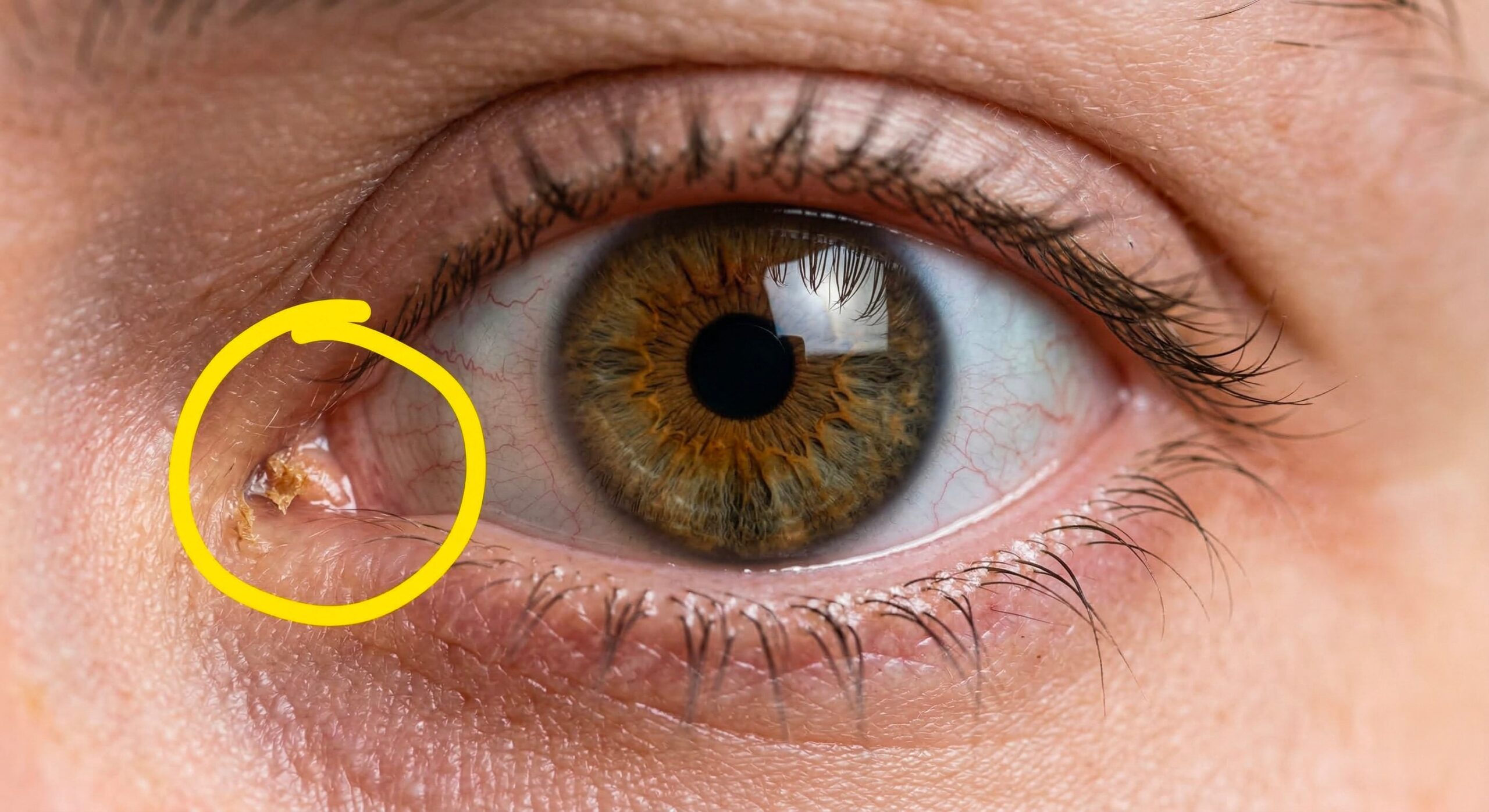
Waking up in the morning, rested and ready to face a new day, often means dealing with those annoying “scabs” on the corners of the eyes. “Boogers”, cips, mucus or ocular secretions: everyone calls them in their own way, but not everyone knows that, however unsightly and annoying, they are essential for the visual health. While we sleep, in fact, our eyes continue to “work” and do so by cleaning themselves by removing what makes up the cips: dead skin cells, lipids, mucus and environmental debris.
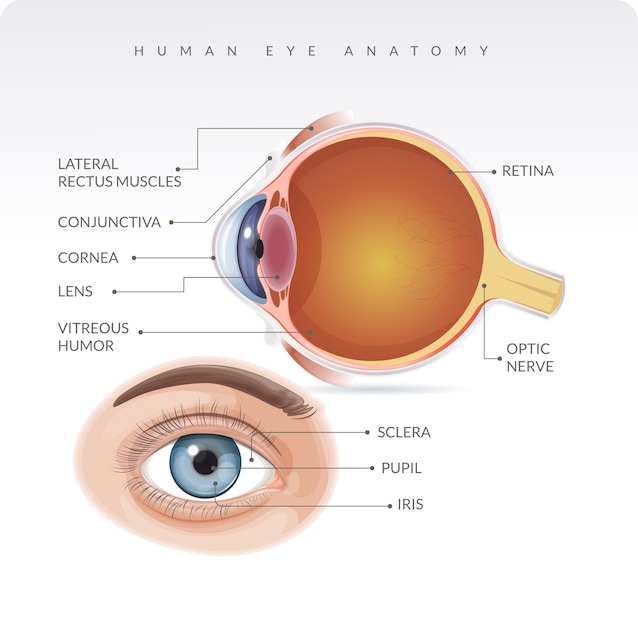
This vital task is carried out in synergy by tear film and from conjunctiva. The tear film is a thin film composed of three layers (lipid, aqueous and mucous) which covers the surface of the eye, acting as a real protective barrier against the external environment. Its five main functions are: lubricate, nourish, protect, clean and improve the transparency of the cornea. While the conjunctiva is a thin mucous membrane that covers the internal surface of the eyelids and the external surface of the eyeball that protects the eye from foreign bodies and infections.
However, the eye does not “spring clean” only at night but it is a continuous process that we don’t even notice. The reason is simple, during the day, when we are awake, we continually blink and this physiological movement eliminates any residue. At night, however, holding the eyes closed and eyelids stillthese substances accumulate and dry along the edges of the eyes and between the eyelashes.
There are those who produce more and those who produce less, but upon waking up, finding this more or less dry substance, with a whitish or light yellow colour, is completely normal. To remove it, all you have to do is rinse your face well with water.
Attention, as Cleveland Clinic – a world-renowned hospital excellence – explains, a sudden increase in production, a clear change in color, excessive stickiness or the presence of swelling and redness can be a symptom of eye infections or other pathologies, such as a sty, a conjunctivitis or blepharitis. In this case it is always good practice to contact your company doctor.
