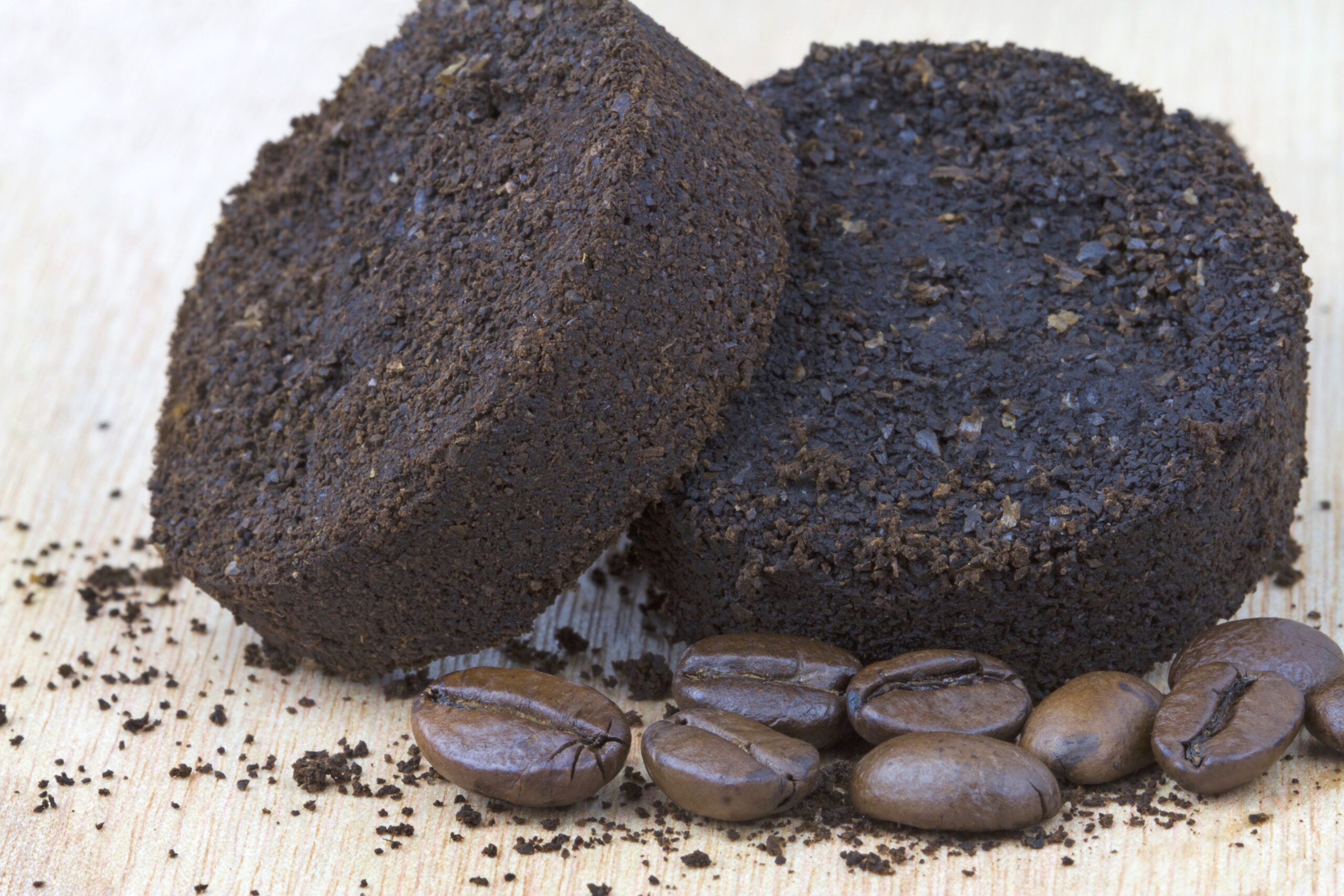
There are various household tricks circulating online featuring i coffee groundsthat is, the residues of ground coffee that remain in the filter of the coffee maker. It is often said that they are useful for eliminating unpleasant odors, but is this really the case? Coffee grounds can help eliminate bad odors thanks to them porous structure and the presence of many compounds containing nitrogen, which react with the molecules responsible for the smell, especially the sulphurous ones. Before use is essential dry them to avoid mold and bacteriathen they can be placed in containers near critical points of the house such as the refrigerator or the waste bin. Their reuse is part of a logic of sustainability and recyclingbecause it allows you to give new life to a daily waste, instead of throwing it in the waste.
Why do coffee grounds absorb stench?
Coffee grounds have a highly porous structureas also described by a study published in the scientific journal Applied Sciences: they are crossed by microscopic cavities that make them look like small ones sponges. This particular conformation increases the available surface area and allows the material to adsorb (i.e. retain on its surface) various molecules including pesticides and heavy metals. In another study, published on Journal of University of Occupational and Environmental Healthit has been shown that coffee grounds can also adsorb i VOCi.e. volatile compounds often responsible for bad odors.
Added to this property is the high presence of nitrogenous compounds. Nitrogen is mainly contained in organic compounds derived from coffee beans, such as amino acids or alkaloids. These substances can contribute to the neutralization of odors caused by some smelly molecules, especially those containing sulfurbinding to them and reducing the perception of bad odor.
Most studies in the scientific literature focus on an “enhanced” version of coffee grounds: the activated carbon obtained from spent grounds, produced through activation processes at high temperatures or with chemical agents. Under these conditions, the material develops a extremely high internal surface area and a network of micro-pores that make it increase adsorbent effectiveness. Obviously, in domestic use coffee grounds do not undergo these transformations, this means that their ability to eliminate odors is limited.
How to eliminate bad odors with coffee grounds
For home use, some grandma’s trick involves placing the dried coffee grounds in containers and placing them in the places in the house where unpleasant odors accumulate more easily. For example, they can be used in the refrigerator, or near the sink or waste bin, where food odors often concentrate. However, it is important to be careful if there are any at home pets: caffeine can be toxic for them, especially for dogs, as reported byAmerican College of Veterinary Pharmacists.
In some cases they are also used in larger environments, even outside the home: in a study published on Agronomyan international scientific magazine that writes about agriculture and livestock, an experiment was conducted where gods were applied fermented coffee grounds to the floor of a dairy cow stable. The results led to a significant reduction of odors derived from manurewith a decline of more than 50% in several compounds.
The reuse of coffee grounds therefore represents a simple example of domestic recycling: a material that would normally end up in the garbage can still be used to reduce odors and limit waste, contributing to a more sustainable use of waste.
