
The reason why almonds are often described as powerful energy sources lies in their chemical composition: proteins, sugars, fibre, vitamins and minerals, but above all good fats (in technical jargon, lipids), which in biochemistry are the best way in which an organism can store energy. The almond, which is nothing other than the almond seed (Prunus dulcis), uses nutrients and energy to support the initial growth of the new seedling. Such a concentration of lipids, carbohydrates and proteins in the small volume of the almond leads to ahigh energy density. According to the US Department of Agriculture (USDA) we are talking about approx 579 kcal per 100 g of almonds. The Guidelines of the Council for Agricultural Research and Analysis of Agricultural Economics (CREA) and the indications of the Italian Society of Human Nutrition (SINU) they recommend a daily consumption of approximately 30 g of dried fruit able to provide therefore, approx 115-173 kcal. In short, to quote the genius of Aladdin: “phenomenal cosmic powers… in a tiny living space”.
Concentrated energy from good fats
Most of the energy in almonds is stored in the form of monounsaturated fatty acids (MUFA), the so-called good fats: in chemistry it means that they have a single double bond between two carbon atoms. More than half of the content of almonds is made up of these fatty acids, in particular oleic acid: the percentages certainly vary based on the cultivation area, the soil and many other environmental factors, but in general always exceed 50% by weight of the almond.
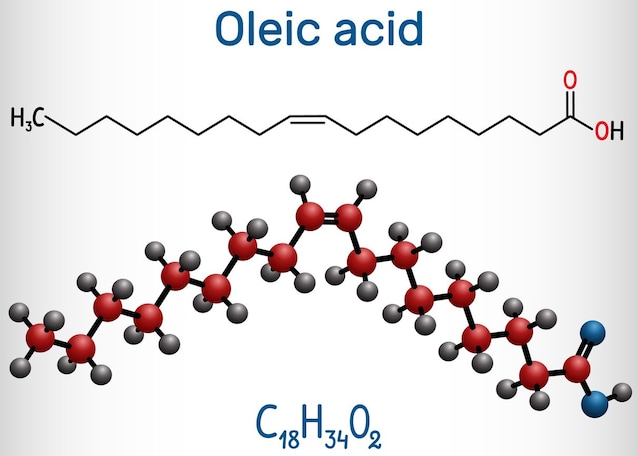
Stored in small organelles called oleosomesalmonds use these good fats for energy. Lipids are, in fact, the macronutrient with the highest energy power: when our body “breaks them” to use them it obtains approximately 9 kcal per gram.
The CREA Guidelines and the new SINU indications recommend consuming approximately 30 g of dried fruit per day as part of a varied and balanced diet.
Proteins to make new tissues
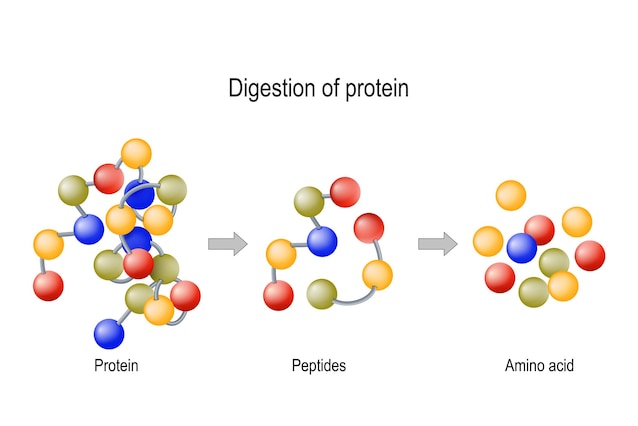
In addition to good fats, almonds contain an important amount of proteins, about 6 g for a 30 g portion of almonds. From a biochemical point of view, all the proteins we ingest, once they arrive in the stomach, are “unpacked” into smaller molecules that constitute them: amino acids. These “bricks” are then absorbed and used by our body to build new proteins and enzymes, but also to make new muscle tissue or replace the damaged one.
Carbohydrates and fiber: a timer for nutrient release
For the seed reserve, carbohydrates, in particular, could not be missing insoluble fibers, which are not absorbed by the intestine, and almonds are the dried fruit with the highest fiber content (about 4 g per 30 g, according to the CREA Guidelines).
Being insoluble, fibers do not provide direct energy, but, as demonstrated by various studies, they play a key role in modulating the absorption of other nutrients, such as sugars and in particular glucose.
How do they do it? Three mechanisms appear to be at play. First: they make the intestinal contents “denser”, slowing down the diffusion of glucose. Second: they physically trap himmaking it less available. Third: they also seem to slow down the action of a digestive enzyme, α-amylase, which normally breaks down starch to release glucose.
In short, the fibers present in almonds act as a sort oftrap with timer” for nutrients, which are released little by little instead of arriving all at once in the blood.
The support of vitamins and minerals
Last but not least, almonds contain a good dose of vitamins and minerals, first of all potassium, phosphoruscalcium and magnesium, with respectively approximately 220, 144, 80 and 81 mg per 30 g portion, which are involved in many biochemical processes of energy metabolism. Magnesium, in particular, is used in our body as cofactor (a sort of helper) of over 300 enzymes which regulate various biochemical reactions. For example, it is a critical cofactor for almost all reactions involving ATP, the energy currency of cells.
Among the most represented vitamins, we find the tocopherol family, in particular 𝞪-tocopherol, otherwise known as Vitamin E, but also vitamin B6 and B2 and other molecules such as biotin, folates which are also implicated in cellular energy metabolism.
Balance for gradually releasing energy
The energy of almonds therefore does not come from a single nutrient, but from a biochemical balance extremely refined: fats with high energy density, structural proteins, carbohydrates in the form of fibers that modulate absorption and micronutrients that keep the metabolism functioning. A system designed for release energy gradually and continuously, without sudden peaks and that allows a tiny seed to contain everything needed to start a new life.
Source:
1. CREA 2018 guidelines for healthy eating https://www.salute.gov.it/imgs/C_17_pubblicazioni_2915_annex.pdf
2. CREA scientific dossier – Guidelines for healthy eating Ed. 2018 https://www.crea.gov.it/documents/59764/0/Dossier+Scientifico+Linee+Guida+2018+%281%29.pdf
3. Sofi, F., Martini, D., Angelino, D., Cairella, G., Campanozzi, A., Danesi, F., Dinu, M., Erba, D., Iacoviello, L., Pellegrini, N., Rossi, L., Vaccaro, S., Tagliabue, A., & Strazzullo, P. (2025). Mediterranean diet: Why a new pyramid? An updated representation of the traditional Mediterranean diet by the Italian Society of Human Nutrition (SINU). Nutrition, metabolism, and cardiovascular diseases. https://www.nmcd-journal.com/article/S0939-4753(25)00073-0/fulltext
4. USDA Nuts, almonds https://fdc.nal.usda.gov/food-details/170567/nutrients
5. S. Yada, K. Lapsley, G. Huang, A review of composition studies of cultivated almonds: Macronutrients and micronutrients, Journal of Food Composition and Analysis, (2011) https://doi.org/10.1016/j.jfca.2011.01.007.
6. Almonds – an overview https://www.sciencedirect.com/topics/pharmacology-toxicology-and-pharmaceutical-science/almond
7. Wu G. (2016). Dietary protein intake and human health. Food & function, 7(3), 1251–1265. https://pubs.rsc.org/en/content/articlehtml/2016/fo/c5fo01530h
8. LaPelusa A, Kaushik R. Physiology, Proteins. https://www.ncbi.nlm.nih.gov/books/NBK555990/
9. Overview of Magnesium’s Role in the Body https://www.merckmanuals.com/home/hormonal-and-metabolic-disorders/electrolyte-balance/overview-of-magnesium-s-role-in-the-body
10. Ou, S., Kwok, K., Li, Y., & Fu, L. (2001). In vitro study of possible role of dietary fiber in lowering postprandial serum glucose. Journal of agricultural and food chemistry, 49(2), 1026–1029. https://doi.org/10.1021/jf000574n
11. EFSA Panel on Dietetic Products, Nutrition, and Allergies (NDA); Scientific Opinion on Dietary Reference Values for carbohydrates and dietary fibre. EFSA Journal 2010 https://efsa.onlinelibrary.wiley.com/doi/abs/10.2903/j.efsa.2010.1462
