We already knew that social media harms minors, but we didn’t intervene
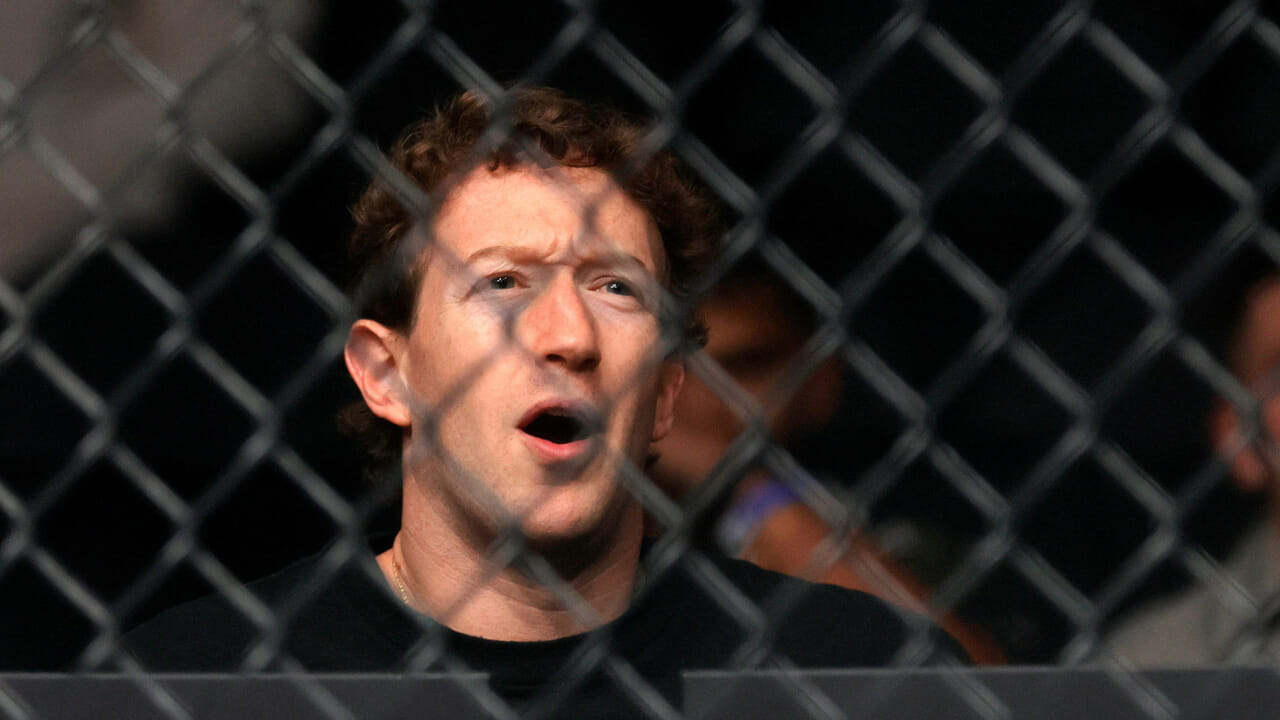
Zuckerberg and Meta are once again at the center of attention, thanks to two fundamental rulings from the United States. On the one hand, a historical verdict establishes that social media addiction is not an accident that sometimes occurs by chance, but the product of a conscious strategy: Meta and YouTube have built the platforms by exploiting their ability to make users, especially the youngest, dependent. On the other hand, from the New Mexico ruling we learn that security on Meta is so efficient that it serves minors on a silver platter to sexual predators.
This is not great news, in itself: these risks of social networks have been reported by numerous experts for years, including in Italy. An example of this is Serena Mazzini, who presented to the Senate last year a law on the protection of minors in the digital dimension proposed by Green Europe, who wrote a book, The dark side of social networks, in which she warned against these very things. In short, it was already known that social media is addictive, that the most vulnerable victims are minors, and that there is a large round of child pornography and solicitation on the platforms.
Politics, as always, remained silent
Unfortunately, the fact that an American giant puts profit before the well-being of its citizens is nothing new either. The affinity of these sentences with the historical ones on the damage caused by tobacco was mentioned. In both cases, although this is known, politics does not intervene until it is forced to, and often not even then. At the first signs of risk, immediate action should have been taken, carrying out investigations and carefully regulating the functioning of the platforms.
But this argument is unpopular: who would want to be told today that they should take away their children’s smartphones? That all those photos he posted of them might have ended up in some awful places? That the endless scrolling with which we kill time causes real damage? We are objectively unprepared, we have entrusted so much of our lives to the social world. Furthermore, everyone benefits from these apps, especially politicians, many of whom would almost not exist at a public level if it weren’t for their presence on social media.
In short, politically talking about this topic is a nuisance. These are also not easy battles, on a concrete level, given the total freedom that we have left to various people… to occupy the digital space in a disproportionate and unlimited way. Often the final question we reach is: eh, yes, we need to intervene, but how do you do it?
It’s easier not to think about it and shift the blame onto others
The inertia by which we are generally affected helps a lot in this sense. We are very used to being warned of a thousand dangers which we continue to perceive as theoretical people, as if they do not concern us. Also because, compared to having to rethink your activities and habits, which include social media, and therefore struggling to detach yourself from them, pretending nothing happened is less tiring. And then there are always more serious things to think about.
The idea that everyone must look after themselves and their family is also very widespread. In the end, it’s just a matter of educating: it certainly won’t happen to me that they lure my son or that he gets sick because he’s swallowed up by the algorithm! Then again, who knows if it’s true, they were certainly poorly cared for children whose parents had other problems. After all, this is exactly what Zuckerberg said about the girl, who used the acronym KDM during the trial, who reported having developed a social media addiction as a child: it was she who had her own problems due to her difficult family life.
Clearly we can’t say that it’s all the fault of social media if someone gets sick from it. Certainly the family environment and personal events play a crucial role. But if the tool is built to get you to spend as much time on it as possible, and that time is largely saturated with problematic images, we can’t say that continued smartphone use was an irrelevant detail.
The individual has responsibilities, but he is not the culprit
The consumer is a victim, because he trusts the product, that it is safe and all the guarantees that are apparently provided to him. In particular, how should the common citizen know how dangerous these tools really are, if the State doesn’t care in the first place? We even have professors who act as influencers, let alone illustrate the risks of social media. We therefore also need caution when judging families, because it is also legitimate for them to be ignorant about the effects of prolonged exposure to social media on children and adolescents. Not everyone watches in-depth programs or draws on sophisticated sources of information. It should be precisely the task of the State to raise awareness of the things they must guard against. It will therefore be a question of whether the outcry caused by these sentences will last more than a week and be sufficient to raise a serious debate, as is already happening in other European nations.
