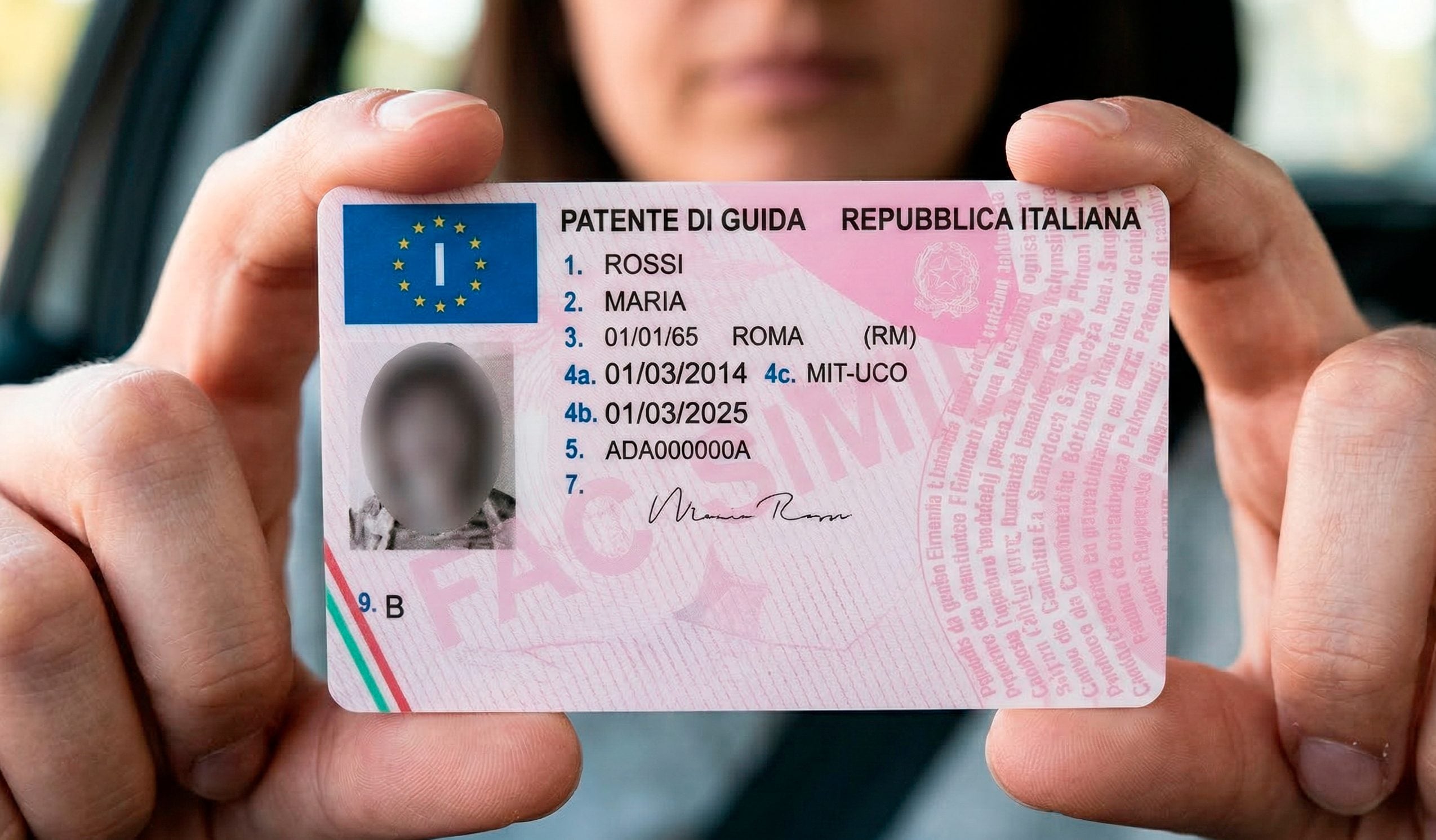
Every Italian driver has a document in his wallet rose: the license. And he’s not the only one: it’s no coincidence that the driving license is called pink sheet. But why was this color chosen? Unlike what we might think, this choice is not random but has its roots at the beginning of the last century, with the so-called Driving Permit French. The pink color makes the document more recognizable and makes it more difficult to forge.
THE Driving Permit French were pink
Originally, no license was needed to drive a car. The problem, as it is easy to imagine, is that car accidents gradually became more and more frequent, so much so that some countries were forced to take some measures in this regard. Among the first we find the Seine Prefecturein Paris, which in 1893 introduced a examination obligatoryat the end of which a certificate of suitability was issued. The actual license only arrived in 1921after the obligation of this document was extended to a national level and included in the French highway code: right here it was written for the first time that the Driving Permit it had to be black rose.
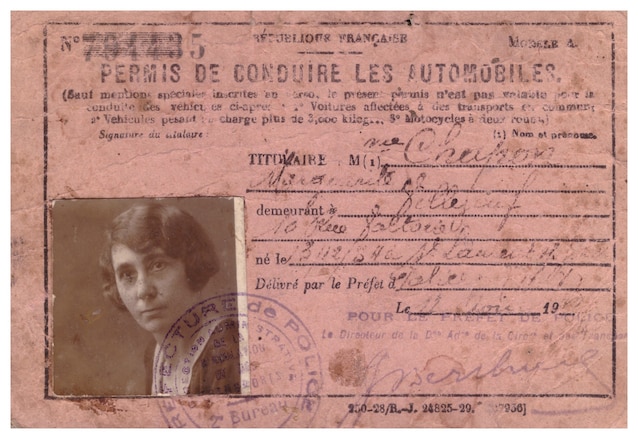
The choice of this color was made to distinguish it from other documents already in circulation: i passports they often had dark shades (e.g. blue or green) while i documents Of identity they were usually white or blue. Pink, in this context, clearly differentiated itself and was easily recognisable. Furthermore, at least for the time, this color was believed to be harder to fakediscouraging criminals interested in counterfeiting.
The color of the driving license: from the UN Conventions to the present day
The choice to use the color pink officially left the French borders through two important reasons conventions UN: that of Geneva of 1949 (Annex 9) and that of Vienna of 1968 (Annex 6). In both cases it is explicitly stated that the driving license must be printed on a support of this colour.
Finally we arrive almost to the present day, when the European Union with the Directive 2006/126/EC he decided to gradually abandon paper cards in favor of polycarbonate ones, however choosing to maintain this color for historical continuity.
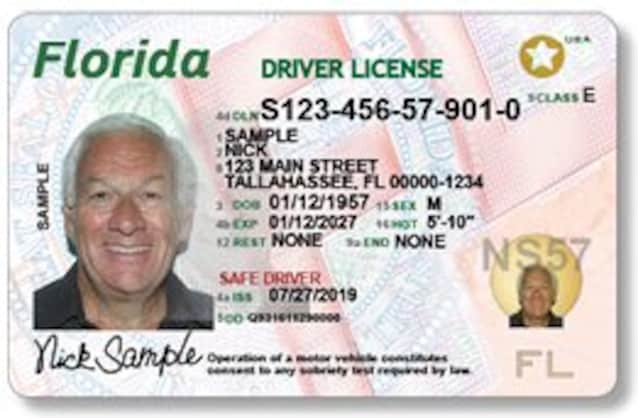
So does every country use this color today? Actually no: this is true for example for the EU, UK and Russia states, but it is not true for many others such as the USA, Canada, China or Japan.