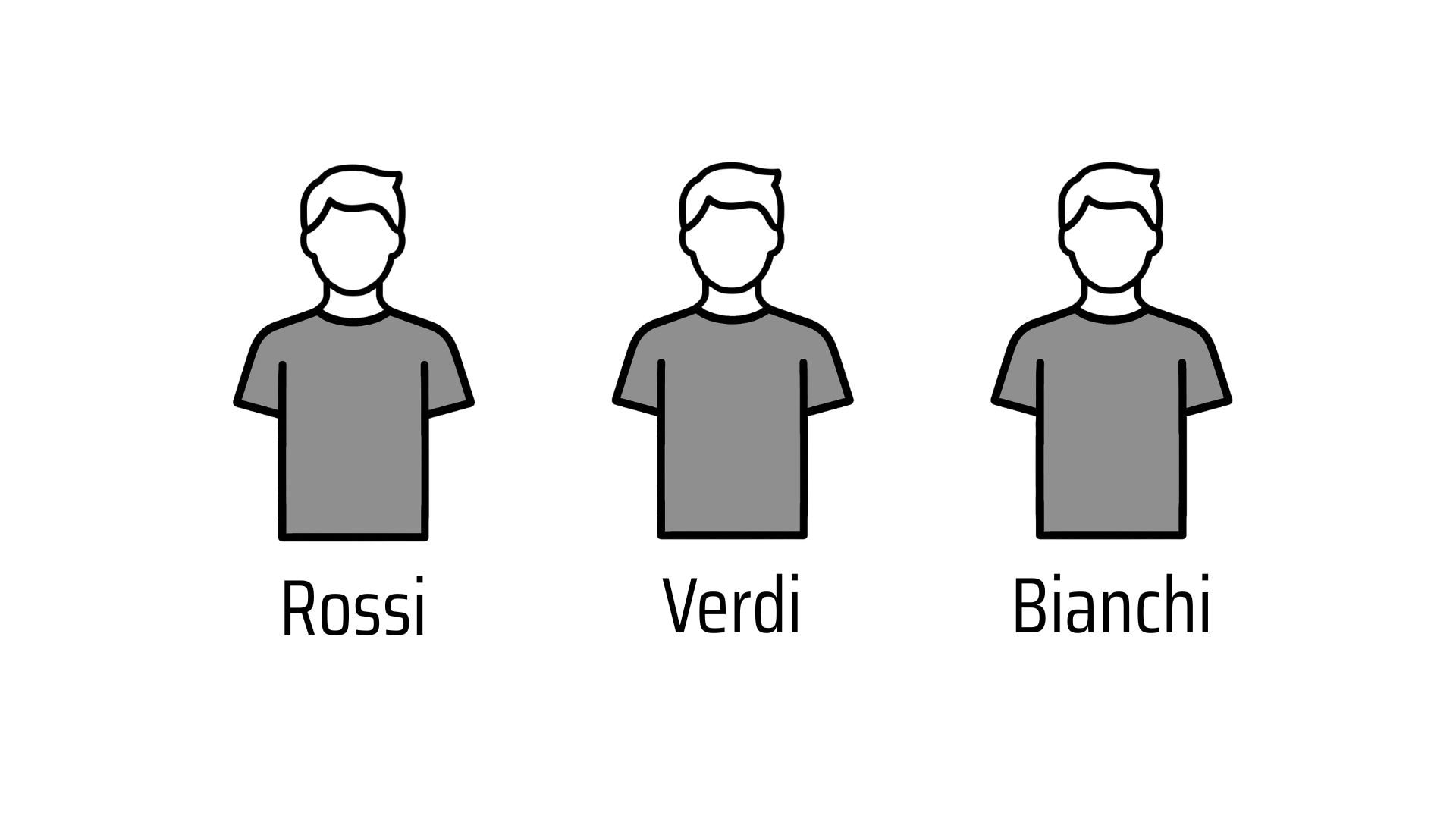
In the’three shirts riddle there are three friends, Mr RossiMr Greens and Mr Whiteswho meet in a bar in the center for an aperitif. Under the jacket, the three wear a t-shirt redone green and one white.
As soon as they sit at the table, Mr. Verdi exclaims:
Hey, we all wear t-shirts in a different color than our last names!
The man wearing the white t-shirt replies:
Wow, Mr. Verdi, you’re right!
We can guess what color it is Mr. Rossi’s t-shirt even without seeing the three friends?
The solution
If we started immediately trying to figure out the color of Mr. Rossi’s shirt, we would have to guess. We can, however, come to understand it thanks to the information we have been provided. We know that:
- The t-shirts are from three colors different: red, white and green.
- No one wears a t-shirt the color of own surname. Mr Rossi, therefore, could only wear a green t-shirt or a white one, Mr Bianchi could wear a red one or a green one and Mr Verdi could wear a white one or a red one.
We then have a third, very important piece of information:
- the person wearing the white t-shirt was talking to Mr. Verdi, so surely Mr Verdi doesn’t wear a white shirt.
Let’s start solving the riddle with the person we have the most information about: Mr. Verdi. We know that he cannot wear either the green or the white shirt, therefore by exclusion, Mr.’s shirt Greens it will have to be red.
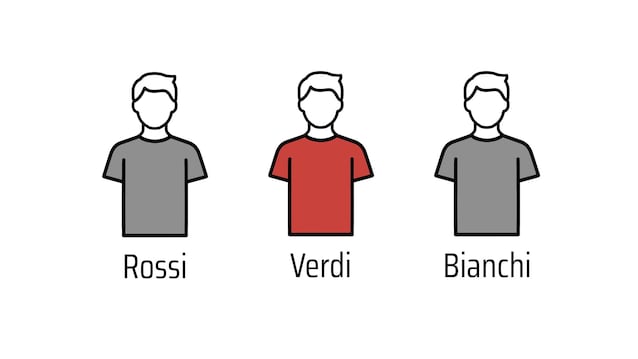
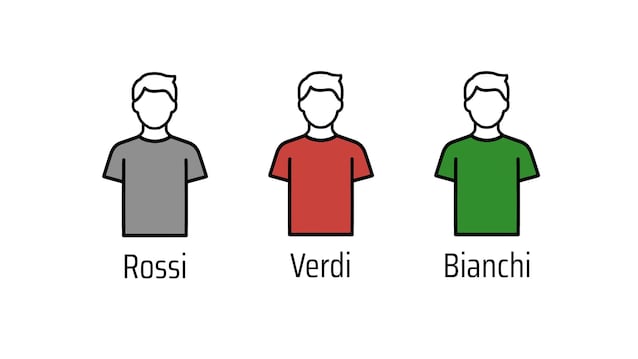
At this point, we can proceed with the other two friends. Mr. Bianchi cannot wear a white t-shirt, nor a red t-shirt (because Mr. Verdi has it). So, we can be sure that Mr Whites you’re wearing a t-shirt green.
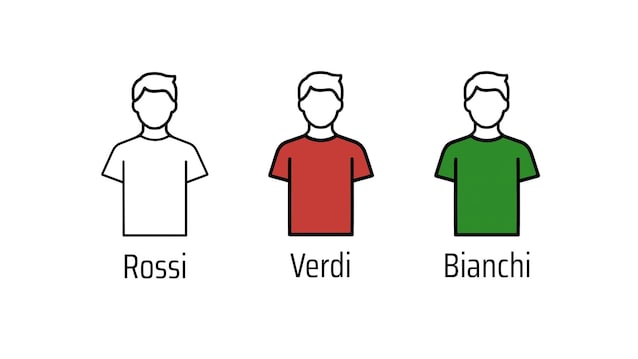
Now we can finally solve the riddle, because we know that Mr Rossi will have the t-shirt of the last remaining color: the white.
These games and riddles can be very useful for stimulating and training children logical thinkingthat is, the mental processes that use deduction, induction and analysis to solve problems, make coherent decisions and structure concepts in an orderly way. Solving riddles of this type is very useful for training to obtain all the information necessary to solve a problem and to structure reasoning according to subsequent and consequent steps.
