Why the return of the “Cesaroni” is a successful operation (at least for now)
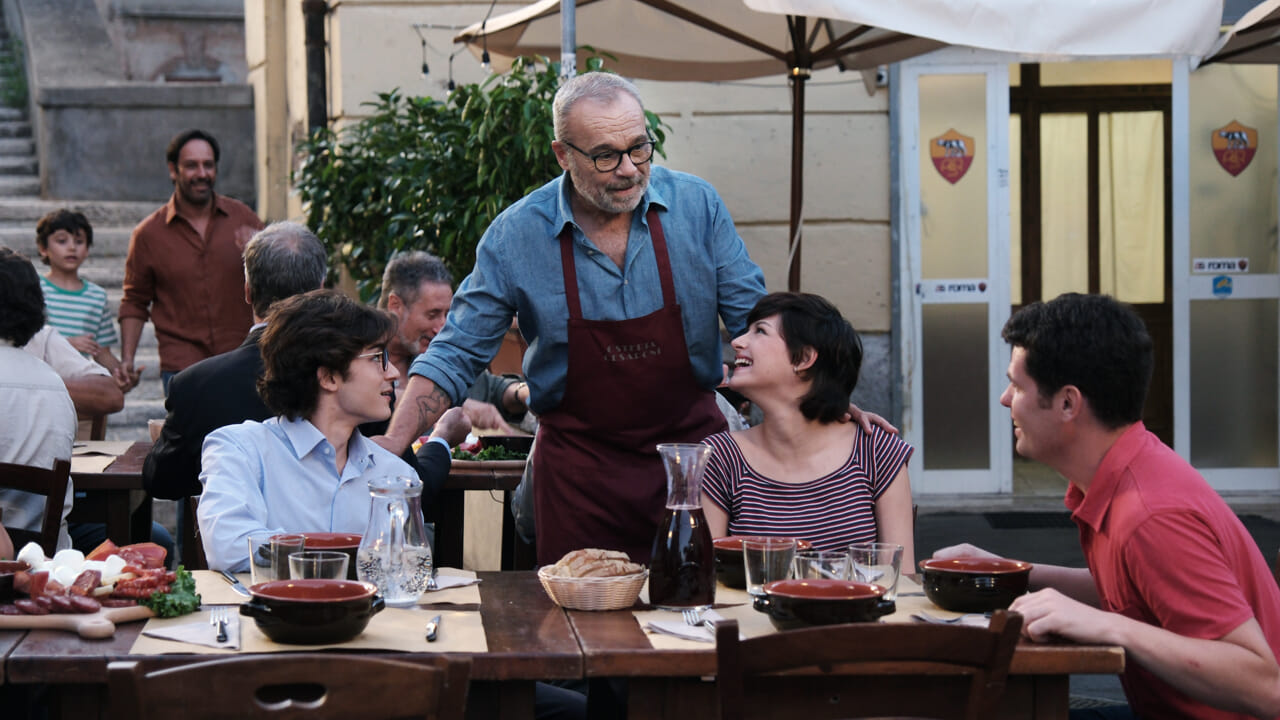
Changing everything to change nothing. It is the Leopard formula that worked well in the case of the “Cesaroni 7”. In a positive way, of course. During the press conference to present the new season last week, Claudio Amendola said: “I am proud to be among the three people who know the Cesaroni best. And I will try to maintain the spirit that has always distinguished them.” Mission accomplished for the actor, who also made his debut as director of the series for the first time: the sincere emotion that could be felt in Garbatella, the historic neighborhood of the Cesaroni family, on the occasion of the launch, was fully translated from the authenticity of the words to the concreteness of the facts. The “Cesaroni 7”, longed for by the public for years, are a revival that works: the soul has remained intact. And it takes a lot, if you consider that twelve years have passed since the last season, that society has changed and the public too.
“This scene had to be Antonello’s, we are sure of it”, some viewers write on Instagram, under a video. They write it in relation to the scene in which Giulio (Claudio Amendola) becomes furious because he discovers that the shares of the family bottle shop – now in crisis – have been sold: as we know, in fact, Antonello Fassari, historical Cesare Cesaroni, whose vehemence was adored by the public, unfortunately disappeared just a step away from the start of filming, with the script already written. And it is emblematic that the public still recognizes it among the folds of the script: it is the suggestive confirmation that there is coherence with the past. In short, a stylistic coherence between these Cesaroni and those of twenty years ago.
Of course, inevitably some narrative plots ended up being lost: some characters disappeared, certain threads as well, in favor of other very current themes that entered the screenplay (the relationship with technology, for example, or the economic crisis and mental health). But it matters little, or at least less: in the Garbatella house – where the most nostalgic will have recognized even the furnishings – the traditional good-naturedness of feelings of the most famous extended family on TV has returned intact, of that “Cesaroni method” whereby, in one way or another, a square is always found; of that reassuring and lively atmosphere with dramedy tones only when they can land on comedy.
The cast was also promoted
The cast was also promoted. Beyond the safe used (Amendola, Branciamore, Fremont and the others), the additions of the new actors are also credible. At the conference, La Stampa journalist Francesca D’Angelo had underlined how the casting choices had been able to “look beyond the clubhouse logic that has recently held sway in the high society of TV”. And in fact the entrances are evidently shaped with the sole criterion of being in the image and likeness of the Cesaroni themselves (again due to Amendola’s expertise in the matter, one imagines). Marta Filippi is, born professionally on social media and excellent in her generalist debut: who better than her, after all, who really grew up in Garbatella? Who better than the very Romans Lucia Ocone and Ricky Memphis to look good in the bottle shop? Also lively at the right level is Pietro Serpi, who plays Adriano, version 2.0 of Mimmo always with the phone in his hand.
The only “cringe” note? Teenagers
In short, the soul of the Cesaroni is safe. Intact, intimate and true. Despite having begun to weave a new plot by renouncing certain threads with the past (but perhaps certain inconsistencies will be explained soon…). Not a fiction like the others, not interchangeable: they are, again, the Cesaroni. And, after all, even the screenwriters are the same. The narrative warmth of strong family archetypes is back: Claudio Amendola the wise decision-maker, Matteo Branciamore always too good and dreamy, Walter the eternal teenager, Elda Alvigini and her iconic temper. The only note sensationally cringe? The story of the teenagers (the jokes in English by Marta, Marco’s daughter, are like nails on the blackboard, ed), but then again, it’s been at least fifteen years since we stopped knowing how to talk about teenagers on TV without being embarrassing: probably since they started talking about themselves on Instagram. Among the discordant notes, also Mimmo: he plays a support teacher who is almost 30 years old, but seems practically the same age as the 15 year old he has to assist.
The Cesaronis, the screenwriter speaks: “We will talk about neurodivergence, my son is on the autistic spectrum. We are also aiming for young people”
Now comes the difficult part
The viewing figures confirm the success: 3,486,000 spectators, with a share of 22.6%. At least for the moment, that is, for the first episode, which many of us saw on a wave of emotion. Now, however, we need to understand whether the nostalgia operation will leave room for intriguing plot developments. Yesterday, in fact, we all sat down in front of the TV in an “obligatory” way, in the same spirit as one would go to a classy dinner: twenty years ago the Cesaroni were a collective ritual, so it was almost obligatory to know how the protagonists had grown up, what paths they had taken, between work and private life. And we hope that they will be so again today. As we were saying here, there is still a great need for the “Cesaroni method” today, given that we are one step away from the energy lockdown: “How bitter…”.
