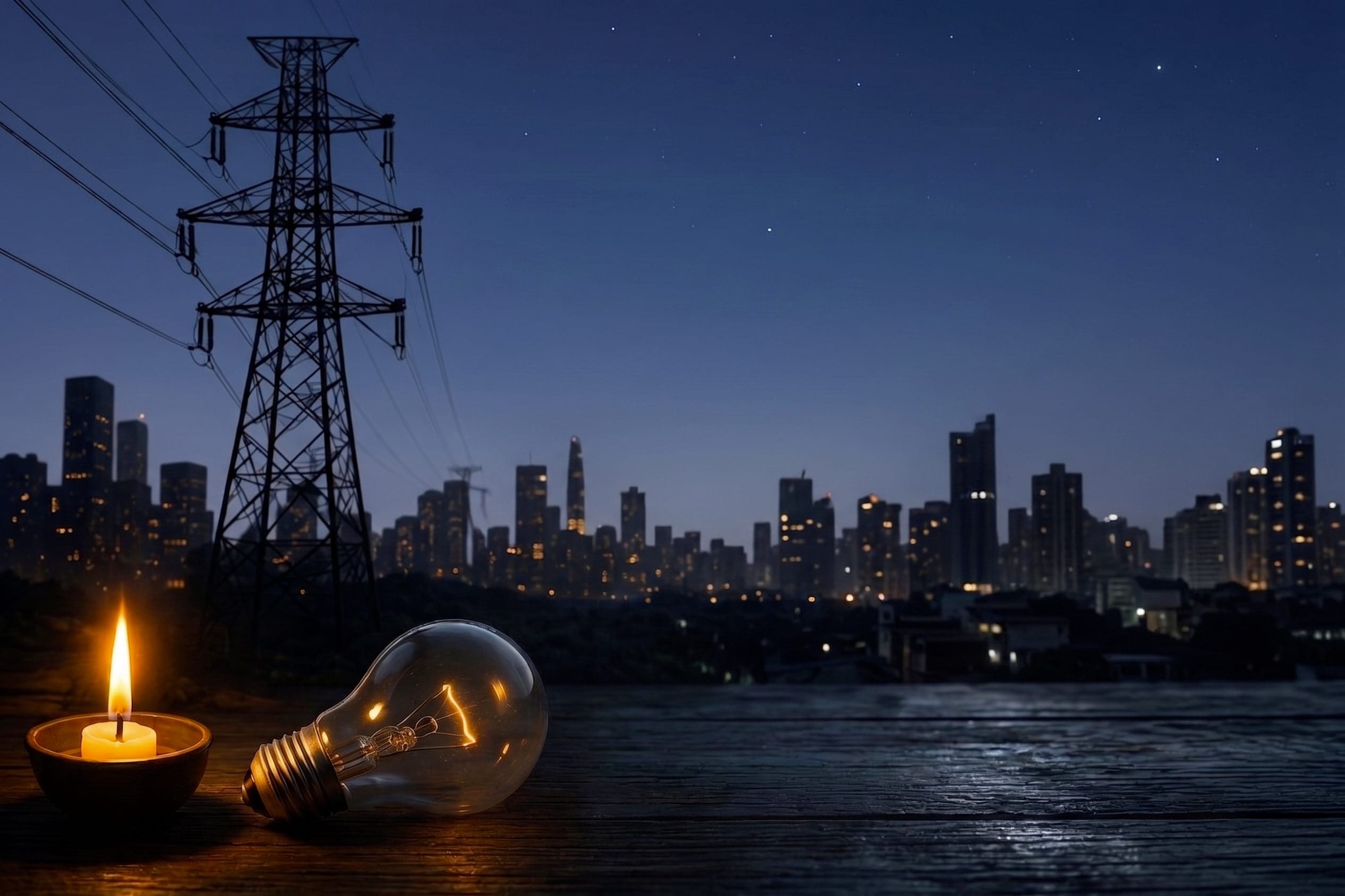
For weeks in Italy and the European Union the possibility of a so-called energy lockdown as a consequence of the war in Middle East between USA, Israel and Iran and the blockade of the Strait of Hormuz.
At the moment there is no defined plan that you contemplate energy rationing for citizens or companies, neither at an Italian level nor at a European level. According to forecasts, in fact, if the war in the Middle East were to continue in the coming weeks, Italy would not immediately find itself without oilgiven that 42% of the crude oil imported into Italy comes from the African continent (with Libya as the main supplier with a share of 24%, as confirmed by Unem data). Currently, therefore, energy rationing measures remain only hypothetical and take as an example the policies adopted by States during previous energy crises, such as those of 2022 and 1973.
The main problem now is related toprice surge: as confirmed by the President of the European Commission Ursula von der Leyen in a press conference, in just 44 days of conflict in the Middle East, European spending on fossil fuel imports has increased by more than 22 billion euroswith the EU now considering immediate measures to reduce energy demand.
What is an energy lockdown and what does it entail
Unlike what the term might suggest, a energy lockdown it would have nothing to do with the restrictions on personal freedom applied during the Covid-19 pandemic. In this case, it would be limit energy consumption – electricity, gas and fuel – to prevent the system from collapsing in the event of a sharp reduction in supplies or an excessive surge in prices.
The objective of a possible energy lockdown would be to protect some essential services – such as hospitals or other critical infrastructure – trying to reduce private transport and non-essential domestic consumption.
As anticipated, however, neither the Italian government nor the European Union are actually thinking about introducing an energy lockdown: what is currently underway is an energy crisis, with supply difficulties for raw materials such as oil or LNG, which however has not yet reached such a severity as to require the approval of limitations on energy use times or reductions in industrial production.
Measures recommended by the EU to reduce energy demand
Although the hypothesis of an energy lockdown has been ruled out, at least for the moment, the European Union has nevertheless advised member countries to adopt a series of measures aimed at reduce energy demandbased on the recommendations already provided by the International Energy Agency, also evaluating reactivate some measures already used during the crisis of 2022when Russia drastically cut gas supplies to Europe. These proposals, for example, include:
- Encourage, when possible, the work from home (smart working).
- Incentivize the public transport.
- Avoid air travel where alternatives exist.
- Reduce speed limits on motorways at least 10 km/h.
In the press conference held on 13 April, the President of the EU Commission Ursula Von der Leyen confirmed that the European Union will adopt a series of measures to deal with the energy crisis: even if hostilities were to cease immediately, in fact, interruptions to energy supplies from the Gulf will still extend for several months, especially if we consider that energy infrastructures were also damaged during the attacks.
The final plan will be presented by the EU next week and will mainly concern:
- The strengthening coordination between member states, based on what has already been done during the 2022 crisis, with the aim of efficiently coordinating the release of strategic oil stocks and to prevent the markets of member countries from competing with each other.
- The adoption of targeted support measures for vulnerable families and the most exposed sectors (with the aid that must be provided targeted, timely and temporary) and the evaluation of more flexible state aid rules.
- The reduction of demand energy: in this case, however, the EU Commission did not talk about energy rationing, but about a reduction in consumption in the medium/long term, through efficiency interventions such as the renovation of buildings and the modernization of industrial plants.
What are the possible rationings that could be applied in Italy
But, therefore, what would happen in Italy in the event of an energy lockdown? First of all, it is necessary to clarify that, as confirmed by the Minister of Environment and Energy Security Gilberto Pichetto Fratin, in Italy «There are not yet the conditions to intervene» rationing energy consumption.
In theory, however, the most effective rationing measure should include a limiting consumption of the most “energy-intensive” industrieswhich in Italy are those that operate in the metallurgical sector, in the manufacture of rubber and plastic items and in the processing of non-metallic minerals.
From a practical point of view, however, this would mean block some fundamental sectors of the national economy. This is why the hypothetical rationing measures would first of all concern transport and non-essential consumption of the population, following a gradual and progressive process.
More specifically, for reduce fuel demand has been discussed possibility to introduce:
- there distance learning for schools;
- the smart working for all public employees;
- the scheduled shutdown of public lighting not essential;
- there circulation with alternating license plates in larger urban centers, but only in the most serious scenario. This measure was already adopted in Italy between 1973 and 1974 during the period of «austerity» and the energy crisis linked, also in this case, to a war in the Middle East.
But the blockade of the Strait of Hormuz is also putting thegas supply: considering that Italy produces around 40% of its electricity by burning natural gas – with Qatar covering around 44-45% of Italian LNG imports – it is possible that, in the event that the war in the Middle East continues in the coming months, the rationing involve the electricity consumptionwhich mainly concern during the summer season the use of air conditioners.
Even in this case, the measure would not be new: already in 2022, in the midst of the energy crisis due to the Russia-Ukraine conflict, legislation was approved which imposed strict limits for air conditioners in public buildings, prohibiting temperatures below 27 °C (with 2 °C tolerance, therefore a minimum of 25 °C) to cool interiors.
In short, as we have already seen, at the moment there is no reason for immediate alarm about possible energy rationing: Should the war in the Middle East be prolonged, however, it is possible that the European Union or the Italian Government will adopt emergency measures.
