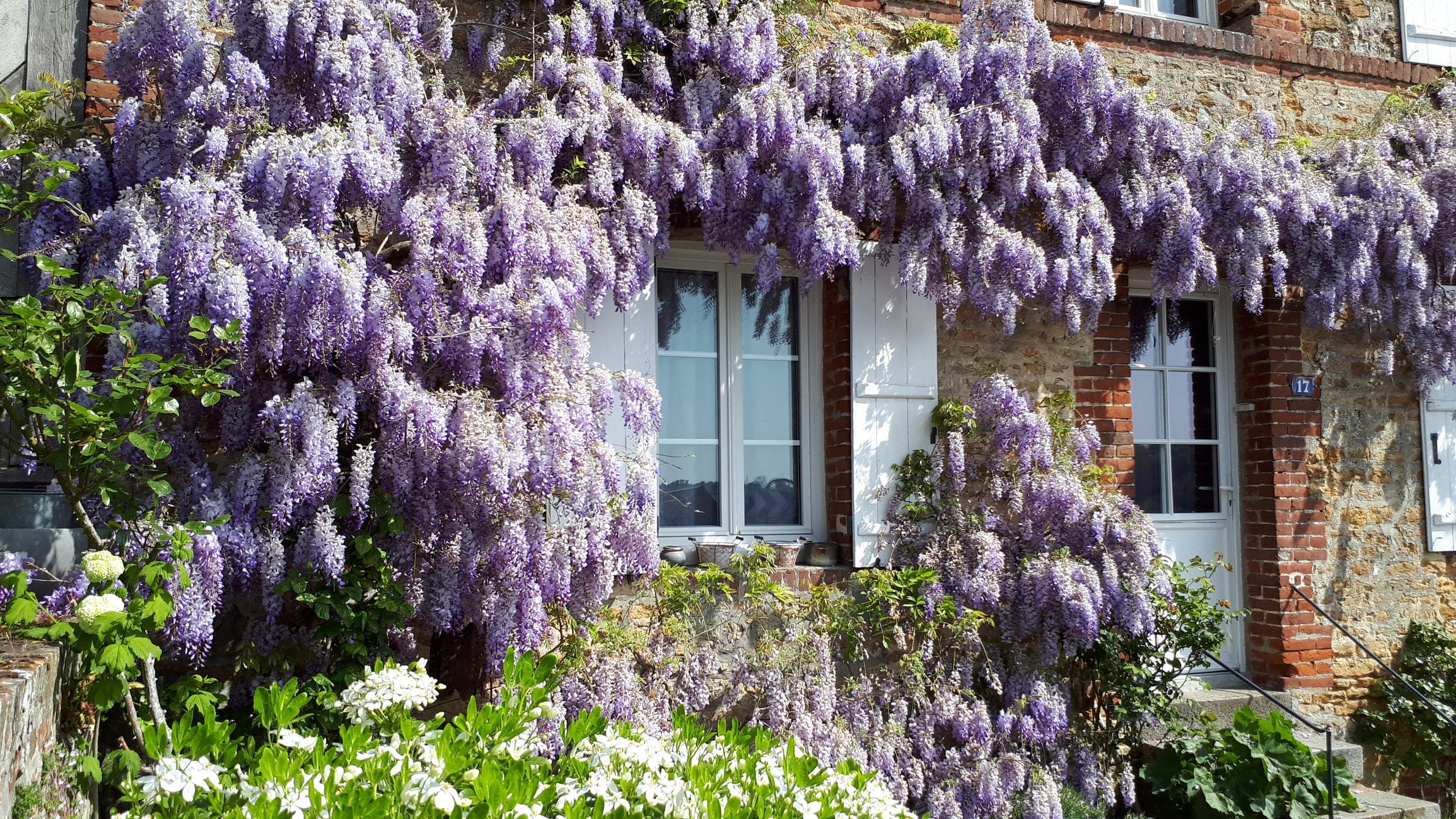
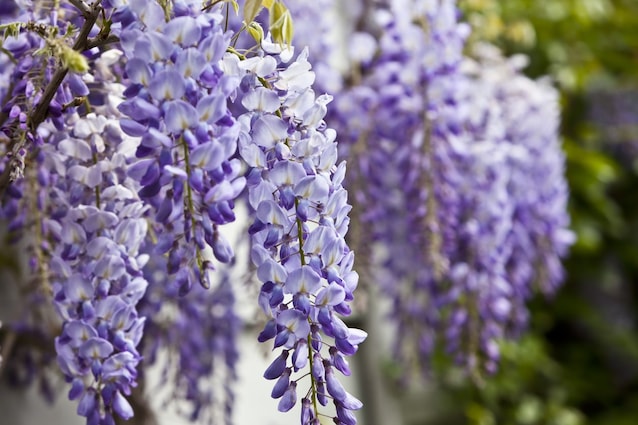
It is the time of the year when parks and gardens are adorned with waterfalls, arches and columns of light purple flower clusters: this is the wisteriaa particularly decorative plant that comes from the East and blooms in spring (between April and May). The most widespread species are the common or Chinese wisteria (Wisteria sinensis) which comes from China and is now naturalized in Europe and the Japanese wisteria (Wisteria floribunda) which, in fact, comes from Japan. An ornamental climbing plant, it belongs to the large Fabaceae or Leguminosae family and is therefore related to mimosa, broom and black locust, as well as the pea, broad bean and lentil. The Wisteria is quite long-lived, it can live up to 100 years and can climb up to 20 meters high if it finds a sturdy support around which to wrap the stem. Be careful though, because all its parts, except the petals, contain a toxic substancethe wisterina.
A highly toxic ornamental plant
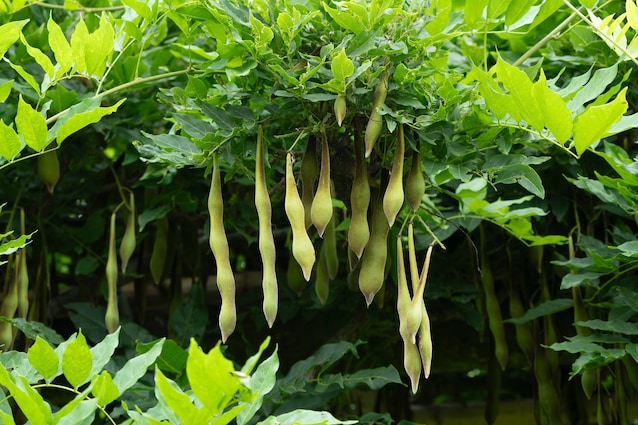
The Genre Wisteriaincludes 10 species, of which the most common are Wisteria sinensis And Wisteria floribunda. It is a climbing shrub with very robust roots and a gnarled stem capable of wrapping itself around supports to climb up to 10 – 20 meters in height. The leaves are deciduous (i.e. fall in autumn), the flowers are hermaphrodites and light blue-lilac in color, the fruits are velvety brown pods and contain seeds similar to small beans. All parts of the plant, but especially the seeds are toxic and also the ingestion of a couple of seeds it can cause severe damage such as: burning mouth, abdominal pain, diarrhea and vomiting as well as dizziness and weakness. So, avoid making pancakes with these flowers or tasting the seeds. The plant is instead very suitable for attract pollinating insects.
The characteristics of wisteria
Being one rather vigorous plant, more likely to damage external floors and walls and for this reason it must be pruned often. It was imported into Europe in the early 19th century and since then it has been one of the favorite plants especially among English gardeners for its ornamental properties. It owes its common name, wisteria, to the fact that it was thought to belong to the same genus as Soja (Glycine max), however the scientific name Wisteria was given to it in honor of the German anthropologist Kaspar Wistar.
There are two very peculiar characteristics of wisteria that are worth talking about. The first is genetics: most plants angiosperms (those that produce seeds) inherit the genes for chloroplasts and mitochondria (organelles important for cellular respiration and photosynthesis) through the mother. In wisteria, however, these genes arrive from two different routes: the genes for the chloroplasts are inherited via the pollentherefore, via the paternal route and those for the mitochondria from the egg, therefore via the maternal route.
The other feature unusual it concerns the stem. In fact, a quick way to distinguish the Chinese Wisteria from the Japanese one is to look in which direction stem it wraps around a support: if you climb by wrapping from right to left (therefore in the counterclockwise) it’s about Wisteria sinensisif you climb from left to right (therefore in the direction hours) it’s about Wisteria floribunda.
