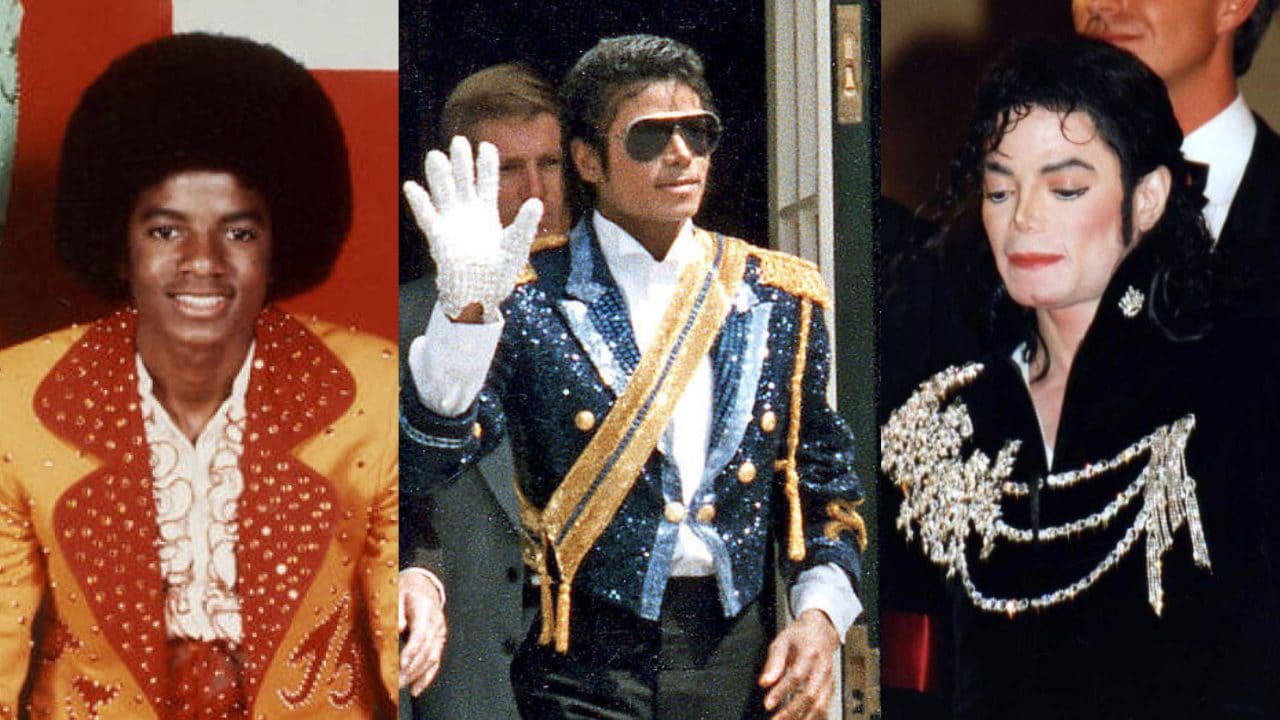
It is one of the most widespread and deep-rooted urban legends in the history of pop music: Michael Jackson he would have denied his African-American origins, undergoing mysterious chemical and surgical treatments to “become white”. This narrative, which exploded on the tabloids between the 80s and 90s in the United States, hides a very different reality. The King of Pop he didn’t choose to “change color,” but he suffered from vitiligoa chronic autoimmune disease documented by official medical reports (autopsy) and confirmed by himself in several interviews. The transformations in his appearance were not an identity choice, but a medical response to a progressive and socially disabling pathology. For years Jackson tried to hide the blemishes with trick and iconic accessories like the famous one single gloveuntil the extent of his illness forced him to depigmentation therapies to even out the skin.
Today, thanks to the release of the biographical film in theaters Michaelthis story is back in the spotlight. And it does so in a new cultural moment. If at the time the disease was a stigma, today figures like the model Winnie Harlow they turned it into a symbol of visibility and acceptance. It is no coincidence that the “World Vitiligo Day” established in 2011 is celebrated precisely on June 25thin memory of the day of Michael Jackson’s death.
What is vitiligo, the autoimmune disease
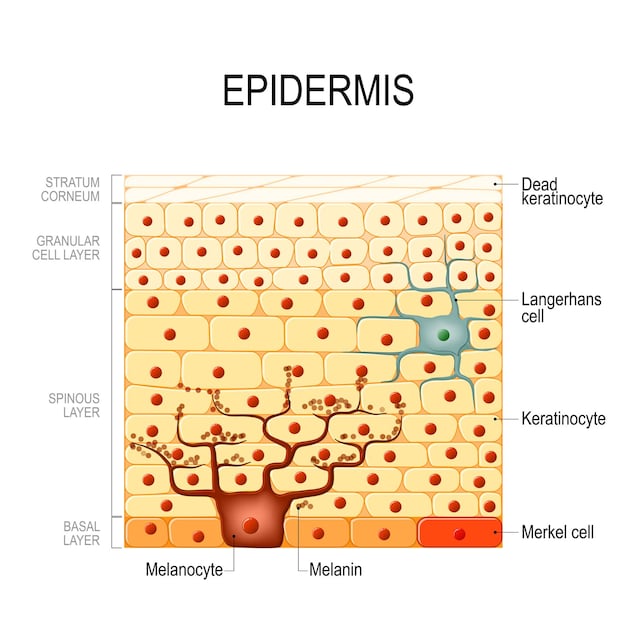
Vitiligo is one chronic autoimmune disease in which the immune system attacks the melanocytesthe cells responsible for the production of melaninthe pigment that gives color to the skin. The result is the appearance of white and irregular spots which expand over time, making the skin uneven and sometimes also affecting hair, eyelashes and mucous membranes. The cause of the patches is known but the exact origin of the disease and what causes it is not yet known. The VRF (Vitiligo Research Foundation) describes vitiligo as a diseasecomplex origin e multifactorial. At the base there is an abnormal autoimmune response, but they also contribute genetic factorsoxidative stress and other triggers. The same foundation, one of the main research organizations dedicated to the study and treatment of the disease, highlights how vitiligo is not a simple aesthetic issue, but a recognized medical condition that requires specific therapeutic approaches.
According to the NIH, the disease affects the 0.5 to 1.5% of the world populationregardless of ethnicity or skin phototype. Although it is not contagious or life-threatening, it has a significant psychological impactparticularly for those with a dark complexion, as the contrast between the depigmented and still pigmented areas is much more visible.
The American Academy of Dermatology classifies vitiligo into two main forms: the form segmentalwhich is located on one side of the body, and the shape not segmentalthe most common, in which the patches are distributed symmetrically over the entire body. Humanitas highlights how vitiligo is still a disease today without definitive cure: there are treatments to slow down the progression and attempt to repigment some areas, or depigment healthy skin but no therapy guarantees permanent results or stops the progression of the disease.
The false myth of “whitening”: Jackson’s diagnosis and words
The most authoritative document on Michael Jackson’s condition is the official autopsy report compiled by Dr. Christopher Rogers, medical examiner of Los Angeles County, after the artist’s death on June 25, 2009. The document is public and can be consulted online: in the anatomical summary the entry “Vitiligo“.

In fact, the report describes the presence of “light and dark pigmentation spots” on the skin, confirming vitiligo as a clinical diagnosis established in his medical history.

The pop star probably also suffered from lupus erythematosusanother autoimmune condition – consistent with what has been observed in the medical literature, which reports frequent co-presence between pathologies involving the immune system.
Michael Jackson spoke publicly about his condition on several occasions. The first time was in 1993, during the historic interview with Oprah Winfreyfollowed by approximately 90 million viewers in the United States. Jackson declared: «I have vitiligo. It is a skin condition that destroys skin pigmentation. It’s something I can’t control.” He explicitly denied having bleached his skin voluntarily. In 1997, in the interview with Barbara Waltersreiterated the diagnosis and explained how the disease was progressing. In Martin Bashir’s 2003 documentary, “Living with Michael Jackson”, he returned to the topic again, describing the psychological impact of the disease on his life.

Treatments for blemishes: from makeup to phototherapy
The world famous artist made use of cosmetics And high coverage dermocorrective makeupa common practice among those suffering from extensive vitiligo, as confirmed by VRF. As Rolling Stones reports, even the use of the iconic single glove, long sleeves even in summer and the hat initially served to hide stains. The first demonstrations appeared at the beginning of the 80s, coinciding with the release and success of Thriller.
The main therapy for vitiligo is Narrow band UVB phototherapy: controlled exposure to light areas reduces the chromatic contrast and makes the patches less visible, stimulating repigmentation in less advanced cases (San Donato Group).
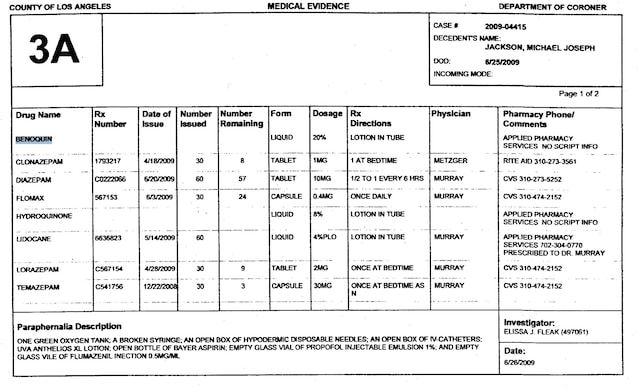
When vitiligo is very extensive on the body surface, a medical option is total depigmentation. This therapy consists of eliminating residual pigment using specific drugs, with the aim of evening out the color of the entire skin. The treatment for this purpose is the Benoquina monobenzone-based cream officially approved by FDA (Food and Drug Administration) of the United States. The American agency authorizes its use exclusively to induce final and irreversible depigmentation in cases of severe and extensive vitiligo, categorically prohibiting its use as a simple whitening cosmetic. It is no coincidence that, scrolling through the autopsy report mentioned previously, Benoquin appears in the list of medications found in the artist’s possession.