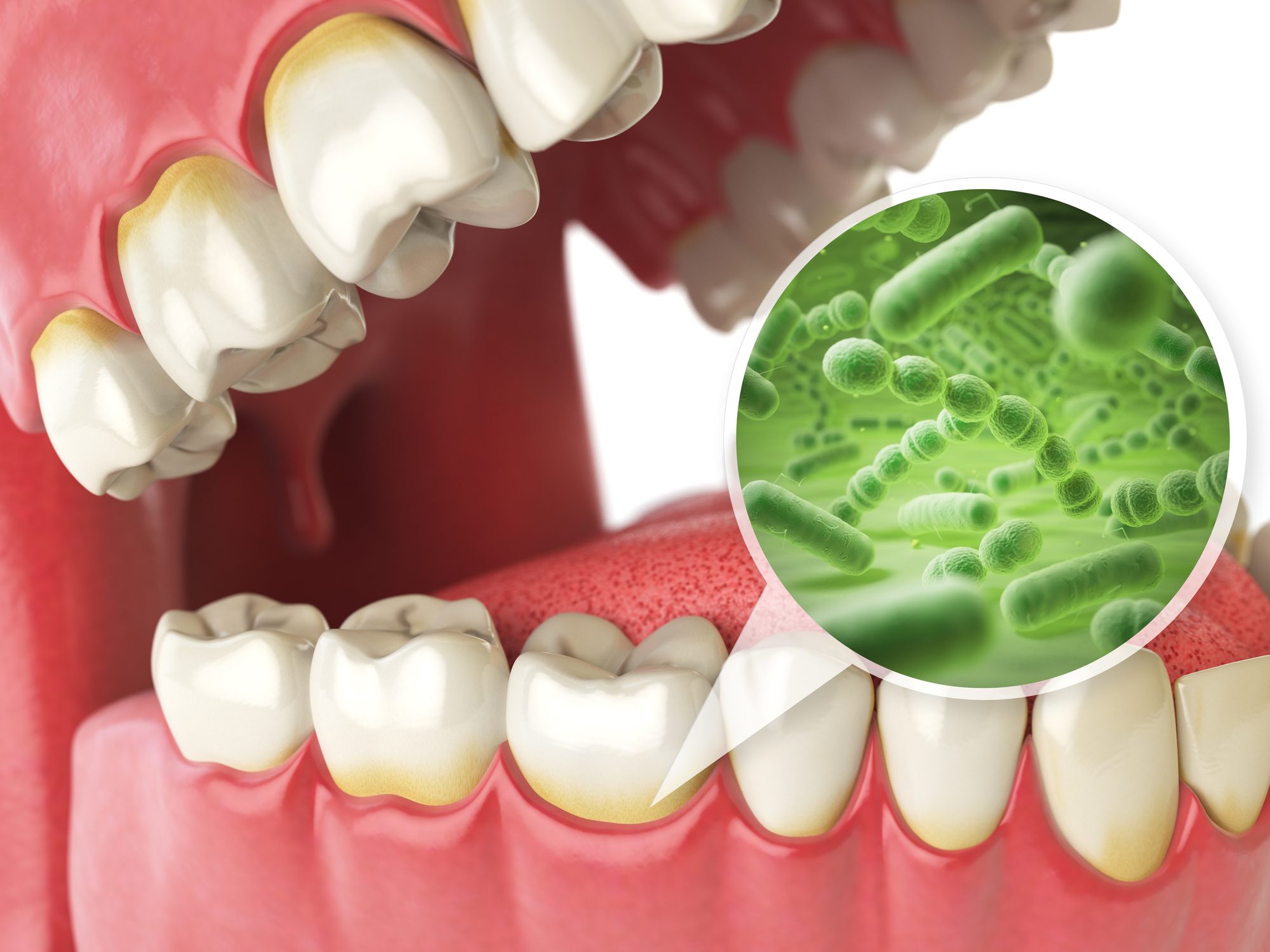
Almost everyone has had it at least once, almost everyone knows that “dessert causes cavities“, yet few really know what happens inside a tooth when a caries is formed and what is the underlying mechanism. To all intents and purposes, tooth decay is one chronic infectious disease with a global diffusion which requires the presence of specific bacteria, a nutritional substrate (gli sugars) and a tooth to act on. What happens is that, as reported by the CDC (US Center for Disease Control and Prevention), the production of acids by the microorganisms present in the mouth initially causes the destruction of the tooth enamel and subsequently, if it affects the deeper layers, pain and in the most serious cases the loss of the tooth. According to theWHO 2.5 billion people are victims of it, classifying it as a non-communicable disease (NCD) most widespread in the world.
This article is for purely informative purposes. For any doubts regarding your oral health it is always advisable to consult a professional.
What is tooth decay
The word caries, which appeared in scientific literature around 1634, comes from Latin and means literally decay. As reported by a review published on StatPearls (NIH), tooth decay is one chronic infectious disease caused by bacteria which colonize the surface of the teeth and, metabolizing sugars, produce acids that over time they demineralize the tooth structure.
The main culprits are bacteria such as Streptococcus mutans, Streptococcus sobrinus and Lactobacilli, normally present in the mouth but which, in the presence of frequent sugars, proliferate and shift the balance towards a composition increasingly acidic and aggressive. Dentistry and the study of this disease has very ancient origins dating back to 5000 BCit was mistakenly believed at the time that tooth decay was caused by a “tooth worm.”
How it forms: from the white spot to the hole
The bacteria of dental plaque they metabolize sugars such as glucose, fructose, producing sucrose lactic acid. This acid lowers the pH of the mouth, reaching a level sufficient to demineralize the enamel. What happens is that i hydroxyapatite crystals that make up the tooth structure dissolve.
At this stage, the process is still reversible… thanks to saliva which contains calcium, phosphate and fluorides and working as a buffer can neutralize the acid and promote remineralization of the enamel. However, if acid exposure is too frequent and saliva cannot “keep up”, mineral loss becomes inevitable. It is at this point that one appears first white spot (the first clinically visible sign) and subsequently, if the process is not interrupted, the surface of the enamel collapses forming a actual cavity.
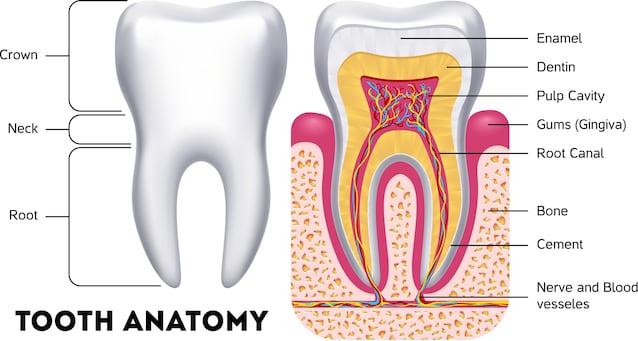
Once the cavity reaches the dentin (the tissue underneath the enamel, softer and more permeable) the progression accelerates. How do they explain both the CDC (US Center for Disease Control and Prevention) that the Cleveland Clinicif it reaches the pulp (where the nerves are), causes infection, intense pain and may require root canal treatment or, in the worst cases, extraction.
Among the factors that alter the balance of the oral cavity and increase the risk of tooth decay, in addition to sugars in food and drinks, we find the consumption of acidic foods between meals, salivary secretion problems, poor oral hygiene and poor exposure to fluoride given that the latter strengthens the enamel making it more resistant.
Global scientific data on tooth decay
Although it is easily preventable, the prevalence has not decreased significantly in the last thirty years, indeed the spread of diets rich in sugar favors its onset. According to the study data, almost the 96% of adults over 65 have had at least one cavity in their life. The CDC reports that among the adults between 20 and 64 years1 in 5 has at least one untreated cavity. While the 50% of children between 6 and 9 years old you have already had a cavity in your milk or permanent teeth.
The spread and severity of dental caries are also strongly linked to socioeconomic conditions. This disease disproportionately affects the poorest, most vulnerable and marginalized groups in society (such as low-income people, disabled people, lonely elderly people and minorities), often due to disparities in access to primary resources such as drinking water and sanitation.
