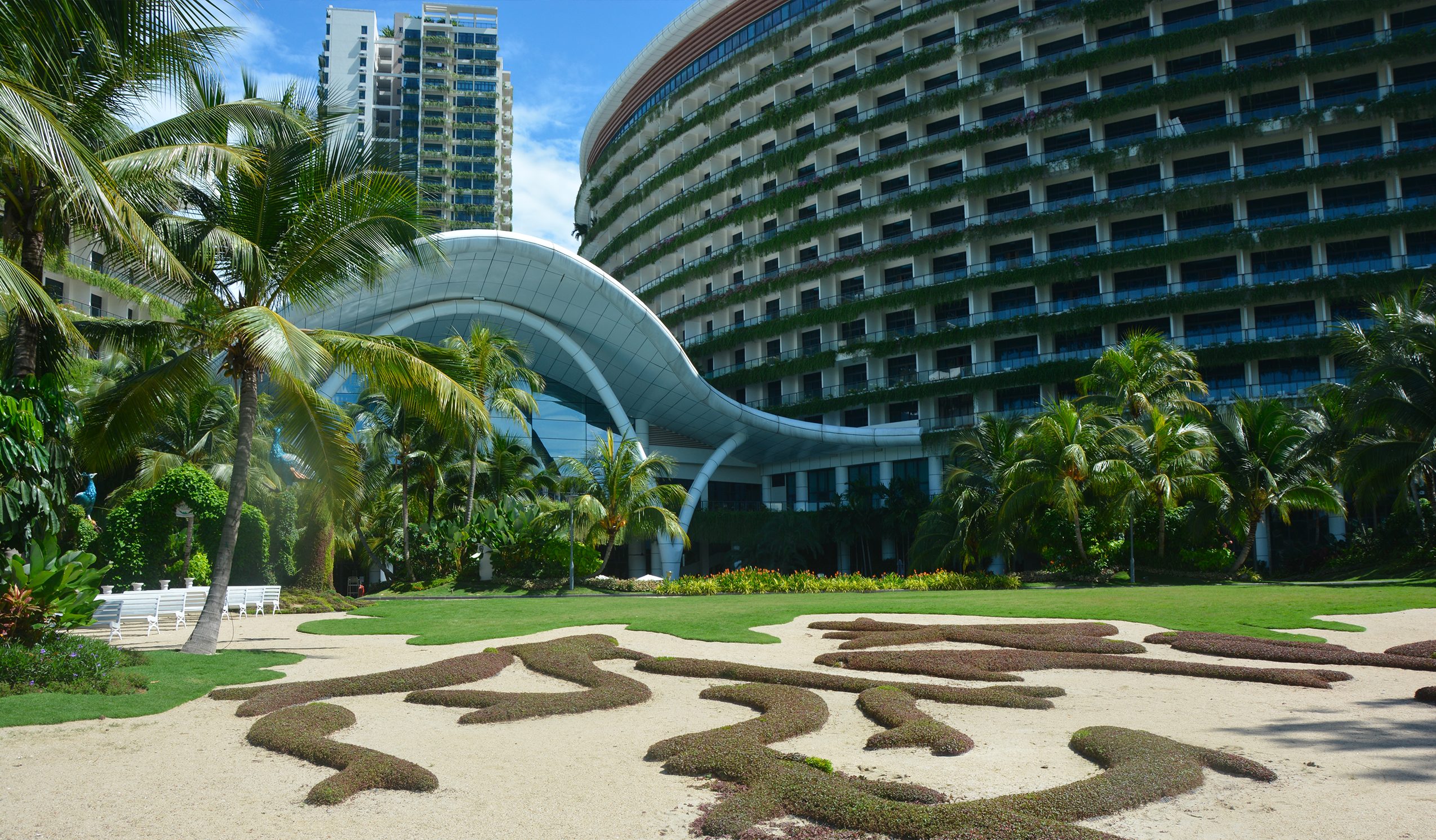
The project Forest City in Johor, IN Malaysiais one of the most controversial cases of modern urban planning: an ecological utopia from 100 billion dollars designed to host 700,000 peoplewhich today suffers from an extremely low occupancy rate, earning it the nickname “ghost town”.
Features of the titanic project
When talking about Forest City there is one factor to keep in mind: the enormity of the project. The creation of this city, in fact, required an enormous initial investment: 100 billion dollars, which should have led to the creation of an urban complex for 700,000 people.
From an engineering point of view, the first intervention that became necessary was the reclamation of the marine area on which the city was built. The process required moving further 160 million cubic meters of sand to raise the seabed, an operation that has profoundly altered coastal morphology.
The concept featured a “forest city” with hanging gardens and green facades, designed to reduce the urban heat island effect and improve energy efficiency.
The planning included stormwater management systems, integrated wastewater treatment plants and a road system designed to separate vehicular traffic (underground) from pedestrian traffic (on the upper levels).
The socio-economic impact: focus on the causes of failure
Despite the enormity and scope of the project, its implementation and, above all, success was a failure. The data to date is in fact a very limited human presence in the urban complex. In practice almost no one lives there.
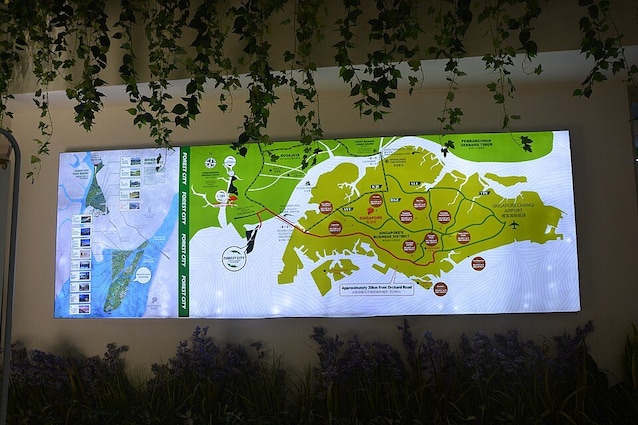
So let’s focus on the causes that led such an expensive project to fail. First of all, the project was intended almost exclusively for Chinese investors, but the capital restrictions imposed by the Beijing government in 2017 eliminated the flow of buyers, leaving thousands of units unsold. There isolated locationcombined with the lack of an efficient public transport system and a stable job market, has made the city unattractive to the Malaysian middle class or international professionals. With an estimated investment in 100 billion dollarsthe financial sustainability of the project was compromised by the real estate bubble, leaving the developers with huge, unsustainable debt.
The environmental impact
Certainly, as you will have already understood, the implementation of a project of this magnitude has had very important environmental consequences. Let’s take a closer look at what the implementation of this project entailed for the environment.
Let’s start with the reclamation activities of the marine area, which we have already mentioned. This activity destroyed large portions of seagrass meadows And mangrovesfundamental for local biodiversity and for natural protection against coastal erosion. The creation of the islands profoundly affected marine currents in the Strait of Johor, causing increased sedimentation rates that smothered nearby coral reefs.
Although the design envisaged a reduced carbon footprint, the current energy underutilization of the infrastructure (lights, services, maintenance) makes the site’s energy balance decidedly inefficient compared to the original ambitions.
