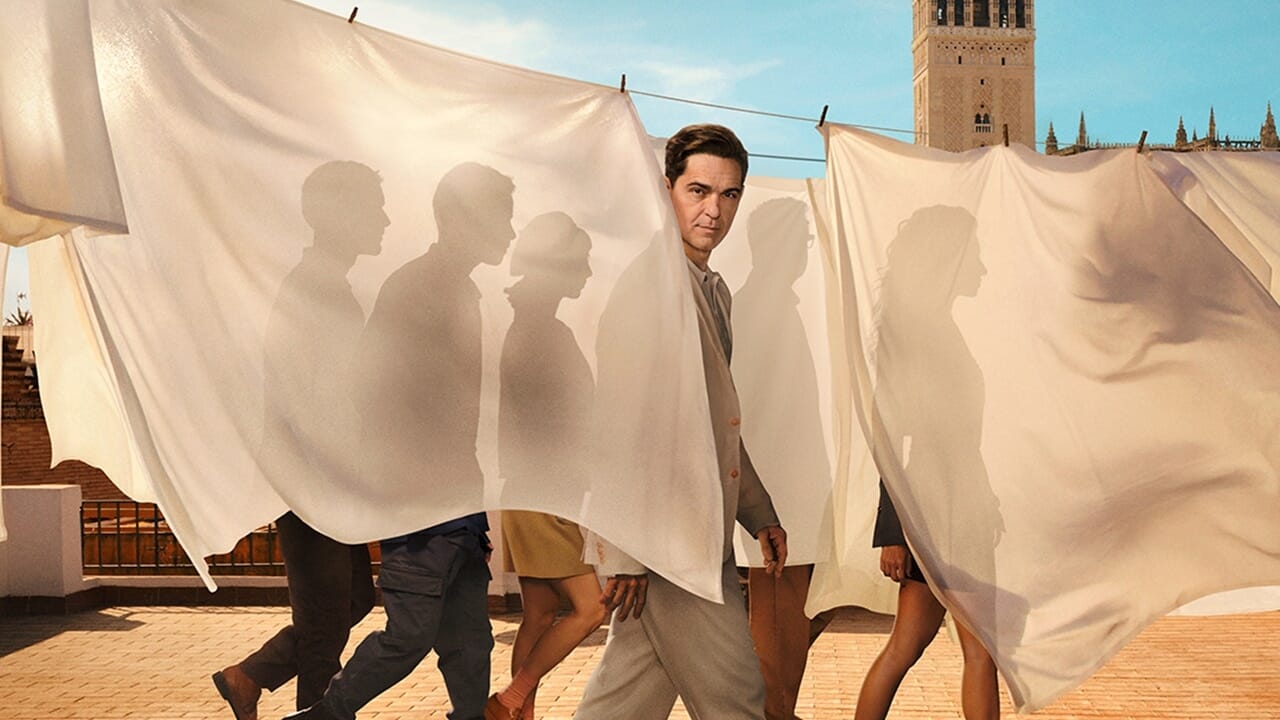
In the second season of “Berlin”, the spin-off of “La Casa de Papel”, Seville is the place where the characters move, as well as a continuous, lively and seductive presence. The new adventure signed by Álex Pina and Esther Martínez Lobato chooses Andalusia to build a season that focuses heavily on visual elegance, architectural charm and an atmosphere where twists and criminal tension are caged in a very seductive geographical location.
Berlin and the Lady with an Ermine: the locations
After passing through Paris, the series arrives in Spain and chooses one of the most cinematic locations in Europe, a city that has already seduced international productions of enormous appeal. Let’s talk about Seville, now the perfect theater for “Berlin and the Lady with an Ermine”. The authors said they had been thinking about Seville for some time, as a natural place for a new story of Berlin. And looking at the images of the series, the choice appears evident: the decadent charm of the historic alleys, the large buildings of the Andalusian tradition and the Guadalquivir are expressed in narrative elements, which aim to accompany the elegant and melancholy tone of the character played by Pedro Alonso.
First of all, one cannot ignore the monumental Plaza de España, with its majestic architecture and bridges overlooking the canal. Filming here was not easy and the production had to coexist with thousands of tourists present every day, even integrating them into the aesthetics of the scenes through small adaptations in costumes and colours. The series then moves to the greenery of the Parque de María Luisa, used for some important sequences. Here the production said it faced one of the most curious episodes on set: during filming, a rabbit used as a prop caused an allergic reaction in a member of the crew.
The Pabellón de Portugal also appears among the most elegant buildings chosen from the series, together with the Universidad de Sevilla and its historic Rectorado. Internal courtyards, monumental staircases and plays of perspectives offer rather refined environments. However, one of the most spectacular places of the season is the famous Hotel Alfonso XIII, a symbol of Sevillian luxury. Created for the Ibero-American Exposition of 1929 and commissioned by King Alfonso XIII, the hotel has for decades been one of the most exclusive addresses in the city, thanks to halls, decorated galleries and courtyards in Mudéjar style.
It is then impossible to ignore the charm of the Río Guadalquivir, which runs through much of the narrative, with its banks, the area of the Torre del Oro and the boats that flow on the water. Also very important is the Patio de Banderas, one of the most evocative corners of the historic center, at the foot of the Real Alcázar de Sevilla, with white facades, orange trees and views of the Giralda.
Palacio del Marqués de la Motilla is instead transformed into fiction into the Palace of the Duke of Malaga, a place less known than the major tourist attractions of the city, but extraordinarily scenic. And then there are the famous Metropol Parasols, known by all as “Las Setas”, which have become the modern symbol of the city and also chosen for promotional events linked to the series.
