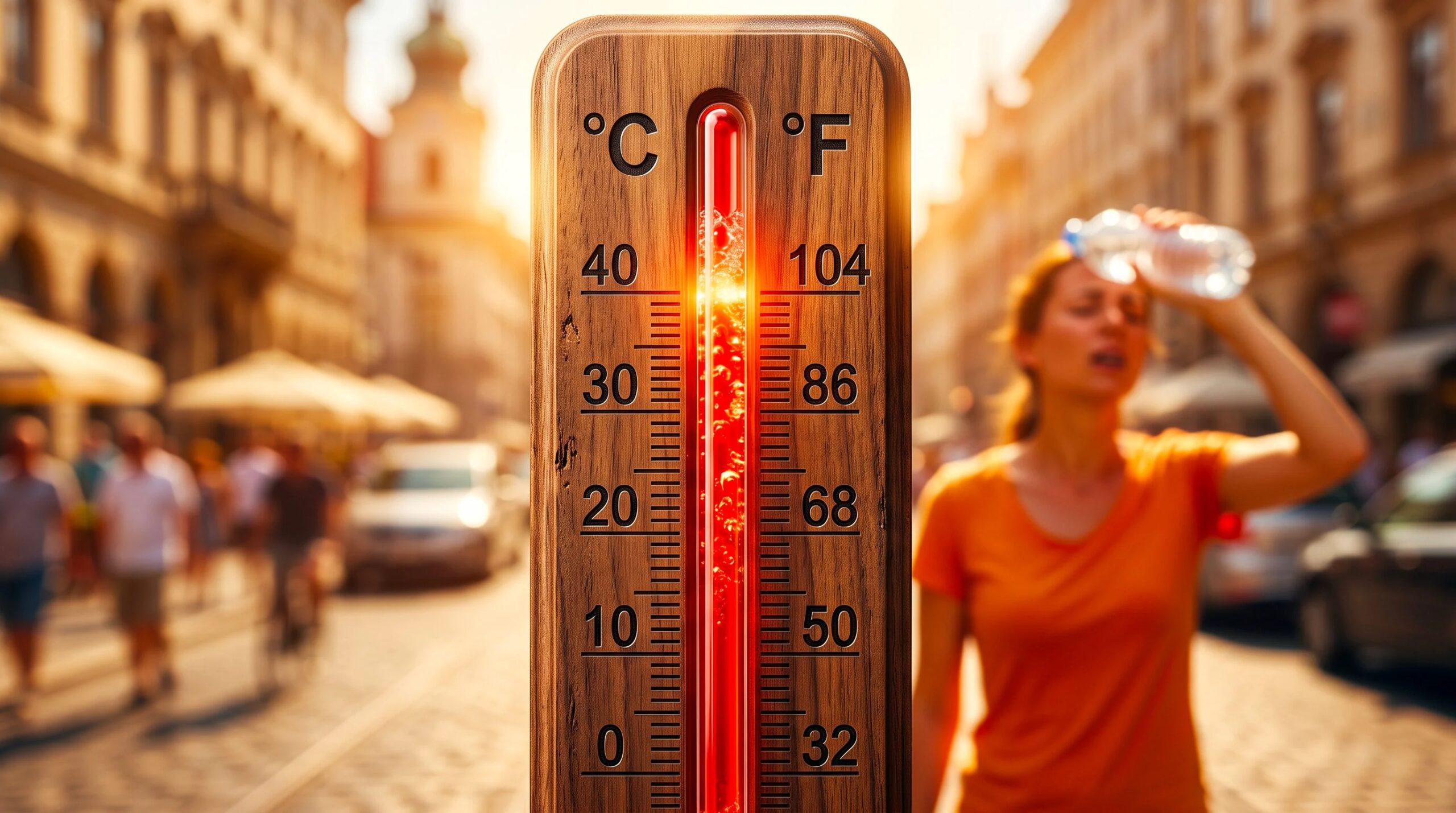
With the high temperatures of the heat waves that are affecting our country blood pressure tends to dropand it is a phenomenon as common as it is misunderstood: around “low blood pressure” there revolves a collection of handed down remedies (coffee, a glass of wine, slapping those who faint) which in most cases do not work or are even counterproductive. At the same time, there are situations in which a drop in blood pressure should not be dismissed as a seasonal annoyance, and distinguishing the two is what really matters.
To understand what happens to our body when it is hot, who is most at risk and how to behave in the event of an acute episode, we interviewed the Professor Marco Metradirector of the Cardiology Operational Unit of the IRCCS San Raffaele Hospital in Milan.
What does “low blood pressure” really mean?
By convention we speak of hypotensioni.e. “low pressure”, when this drops below 90/60 mmHg. However, it is a number to be taken with caution: there is no magic threshold below which the disease starts. Many people, often young women with a slim build, live very well with values of 95/60 and have nothing to care for. Indeed, having a naturally low blood pressure tends to be the case an advantage for the heart and arteries in the long run.
What matters is not the number itself, but if that particular value produces symptomsthat is, if the blood does not reach sufficient pressure to the brain and causes symptoms: feeling of light-headedness, vision that becomes blurred or dark for a few seconds, ringing in the ears, cold sweat, nausea, sudden tiredness, up to fainting.
A particular and very frequent case in summer is theorthostatic hypotension: Blood pressure drops when standing up (usually by at least 20 mmHg), and symptoms appear in the first seconds or minutes after getting out of bed, sofa, or deck chair.
When is it time to talk to a doctor about it?
It’s time to talk to your doctor about it when symptoms appear new or have become more frequent than usual, when yes loses consciousnessespecially if it happens more than once, and when the blood pressure drops after started or changed a medication. Declines accompanied by also deserve attention chest pain, pounding heart, breathlessness, confusion, or difficulty speaking. Other situations that always require a cardiological investigation are also the fainting that occurs during physical exertion and what the person grasps while she is already lying down.
The rest, dizziness when standing up suddenly on a day with a temperature of 35 degrees or more, is almost always physiologynot disease.
Why does blood pressure drop in the heat?
The heat acts on two fronts at the same timeand it is the sum of the two that causes the pressure to drop.
The first is the vasodilation. The pressure we measure is that due to the flow of blood within the arterial vessels: arterial pressure, in fact. To lose heat, the body widens surface blood vessels and sends more blood to the skin. However, the blood is always the same quantity and, if the “container” expands, the pressure inside it drops.
The second is the loss of fluids and salts with sweat. Sweating is the other great mechanism with which we fight excessive heat. By sweating, however, you lose water and salts and therefore reduce the volume of circulating blood: less volume means less pressure. If you don’t replenish it by drinking, the effect adds to the first.
Who are the most at risk?
The most exposed are the elderly peoplewho feel less thirsty, sweat less efficiently and have slower compensatory reflexes. Immediately after comes those who hire blood pressure medicationsespecially diuretics, alpha-blockers, and all other vasodilatory drugs. Their dosages are generally calibrated in winter and in summer they can become excessive. People with are also more vulnerable long-standing diabetes or Parkinson’s diseasebecause the nervous system that regulates blood pressure works less well, and women in pregnancyespecially in the central part of gestation.
Those who suffer from complete the picture varicose veins or venous insufficiencydue to the greater stagnation of blood in the legs, those who train or work outdoors in the central hours of the day and those who eat little or follow very restrictive dietsoften also poor in liquids and salt.
How can blood pressure drops be prevented?
Drink, regularly. The reference indication is approx 1.5-2 liters of water per daywhich in summer must be increased based on how much you sweat. The practical rule is to distribute: small quantities throughout the day, without waiting for thirst, which is already a sign of delay. A good home indicator is the color of urine: clear is fine, very concentrated means you are drinking too little.
Be careful with salt, but without DIY. Sodium and other minerals are also lost through sweat, and those with naturally low blood pressure generally have no reason to follow a strict low-sodium diet. However, this does not authorize one to fill oneself with salt: who he is hypertensive, heart disease or kidney disease you must continue to follow your doctor’s instructions. On the other hand, mineral waters richer in salts, seasonal fruit and vegetables, which provide water and potassium, and drinks with salt supplements are useful.
Small, frequent meals. Four or five light meals are better than two large ones: the drop in blood pressure that follows large meals is avoided. In the heat, fresh and simple dishes should be preferred, and alcohol should be limited, which worsens both dehydration and vasodilation.
Daily habits. Calmly get out of bed, sitting on the edge for a few seconds before standing up. Avoid standing still and standing in the sun for long periods of time: if this happens, move your calves or cross your legs by contracting the muscles. Avoid the hottest hours, prefer lukewarm showers rather than hot ones, keep rooms fresh and ventilated. Those with venous problems can benefit from elastic stockingseven in summer. Physical activity should be maintained, but moved to the early hours of the morning or evening.
Medicines: never change them yourself. In summer it is common for antihypertensive therapies to be reviewed, but the decision is up to the attending physician: Stopping a drug on your own is as risky as taking too much.
What are the most widespread false beliefs?
Although low blood pressure is generally harmless, a its sudden drop it should not be underestimated: especially in the elderly or in heart patients, it can in fact be the symptom of serious problems such as dehydration, infections, hemorrhages or heart failure.
“A coffee solves everything”. Caffeine can raise blood pressure by a few millimeters of mercury, but the effect is modest and does not last long, and in those who drink coffee regularly it is further reduced. A glass of water works much better against a drop in blood pressure due to heat.
“A glass of wine or a little liqueur cheers you up.” It’s exactly the opposite: alcohol dilates the vessels and therefore promotes dehydration lower further pressure. This also applies to ice cold beer as a “rehydrator”.
“Just eat a lot of salt”. It is dangerous advice if given to everyone without distinction, because in some subjects it can promote hypertension. Salt may play a role, but within an individual indication.
“Anyone who faints must be given something to drink, kept seated and slapped“. These are three mistakes in one. Keeping a person who is fainting sitting down hinders the return of blood to the brain: they should be kept lying down with their feet raised. Water should only be given when they are fully awake and responsive, otherwise there is a risk that the liquid will end up in the respiratory tract. Slaps, alcohol under the nose and vinegar are of no use.
What should you do when someone “feels faint”?
Fainting due to a drop in blood pressure generally presents itself with warning symptoms: nausea, cold sweat, darkening vision, ringing in the ears, feeling of limp legs. At that moment you have to lie down immediately and raise your legs 20-30 centimetersin a cool, shaded place, loosening tight clothing. If you cannot lie down, sit down and lower your head, or cross your legs by forcefully contracting your muscles and clench your fists: these are maneuvers that push the blood towards the heart. Recovery is usually rapid, within a minute. Only when the person is fully alert you can give her water to drink, possibly slightly salted or with mineral salts. You gradually get up: first sitting, then standing.
How do you distinguish a drop in blood pressure from heat stroke?
They are two different paintings, and the difference is important because the second is aemergency. In the drop in blood pressure the skin is pale, cold and sweaty, the body temperature is normal, consciousness is lost for a few seconds and recovery, once lying down, is complete and rapid.
In the heat stroke body temperature exceeds 40°Cthe skin is hot, often dry and red, and above all they appear alterations in the state of consciousness that are not resolved by lying down: confusion, strange behavior, slurred speech, agitation, convulsions, coma.
When should you call 112?
Emergency services should be alerted if the person does not recover within a couple of minutes, if they remain confused, do not respond appropriately or have convulsions, and if the skin is very warm and a high temperature is suspected. The same applies in the presence of chest pain, breathlessness or irregular heartbeat, if the fainting occurred during an effort, if there was a trauma when falling and if the person is elderly, has a heart condition or is pregnant.
While waiting, the person should be kept lying down and moved to the shade and, in case of suspected heatstroke, actively cooled: open clothes, cool water on the skin, compresses on the neck, armpits and groin, ventilation.
