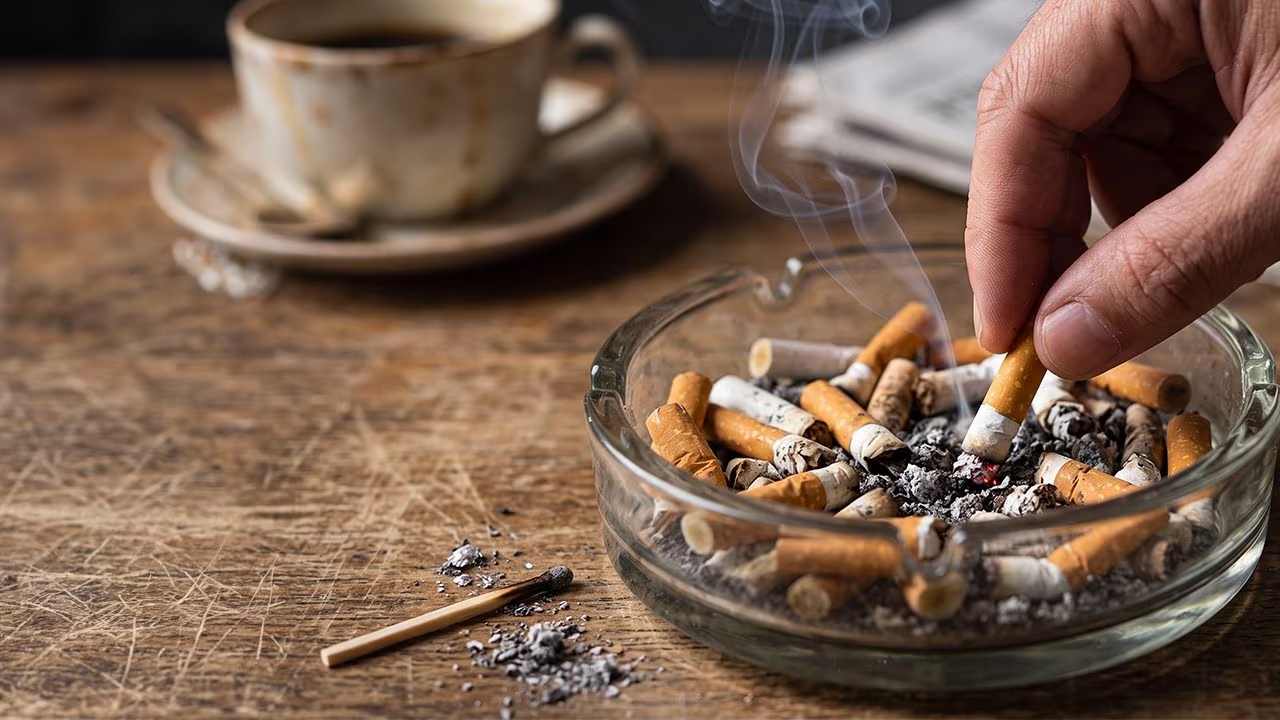
On all packages it says that the smoking kills. Yet the cigarette after the coffeethat of the work break, that of managing stress continue to exist in the lives of millions of people. The National Center for Addiction and Doping of the Istituto Superiore di Sanità today offers combined paths that bring the success rate up to 60%, aided by a recent and important innovation: from March 2026, in fact, an effective drug for quitting (the cytisine) has become totally free through the National Health Service. But to understand how to get out of it, you must first understand how the smoke trap works. The problem is not a lack of will: quitting means fighting three dependencies at oncenot just one.
Quitting smoking: the 3 addictions and ISS data
The first is that physics from nicotine. Nicotine stimulates the release of dopamine, the pleasure molecule, and when it is missing the body literally asks for it. In fact, irritability, anxiety, insomnia, difficulty concentrating increase: These are the symptoms of withdrawal.
The second is behavioral. Over time, smoking becomes an automatic ritual: the cigarette after coffee, the one during breaks, the one with an aperitif. The body gets used to the gesture, the context, the moment.
The third is psychological. The brain associates the cigarette with the management of emotions. Stress? Cigarette. Boredom? Cigarette. Anxiety? Cigarette. It is used to find relief, but without solving anything, on the contrary, making everything worse in the long run.
Three addictions together explain a fact that the Istituto Superiore di Sanità clearly reports: without external support, only 4% of attempts to quit are successful. It means that out of 100 people who try on their own, 96 fail.
What happens to the body if we stop
Before talking about solutions, it is worth knowing one thing: the body begins to repair damage the moment the last cigarette goes out.
After 20 minutes blood pressure and heart rate return to normal.
After 12 hours Carbon monoxide (CO) levels in the blood drop dramatically.
After 2 days the sense of taste and smell begin to return.
After a year cardiovascular risk is halved.
After fifteen years the risk of lung cancer, in many cases, returns to the same as that of someone who has never smoked.
The combined method, the most effective according to science
There is no magic formula, but there is an approach that works better than the others: the combination of behavioral and pharmacological support. The drugs work on physical dependence on nicotine. Behavioral support works on the other two (behavioral and psychological) helping to dismantle automatic rituals and manage emotions without relying on cigarettes. Together, this combination can bring the success rate up to 60%against the 4% of willpower alone.
The starting point is general practitionerwho knows the patient’s medical history and can direct him towards the Anti-smoking Center closer. Anti-smoking centers are structures distributed throughout Italy that offer integrated courses with specialized doctors and psychologists.
Available drugs: from cytisine to NRT
In recent months there has been a lot of talk about a “new drug” to stop smoking. In reality this is not the case. The drug in question is based on cytisinea substance of natural origin used as a medicine since 1964, when it was marketed in Bulgaria under the name Tabex. In Italy it was already available since 2015 as a galenic preparation in pharmacies. The real news is another: from March 2026 the drug Recigar, based on cytisine, has become 100% reimbursable by the National Health Service for all smokers between 18 and 65 years old who undertake a journey in an Anti-Smoking Centre.
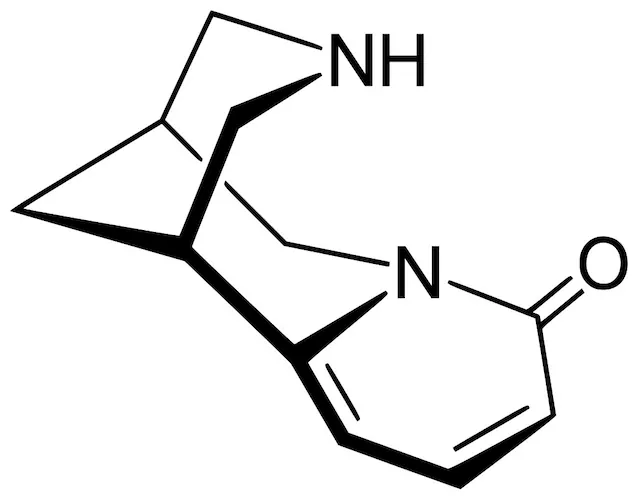
Cytisine works by occupying nicotine receptors in the brain, reducing both the desire to smoke and the reward that comes from it. However, it is not the only drug available: there are also nicotine replacement therapies (patches, gum, sprays, inhalers), varenicline, bupropion and nortriptyline. The doctor will evaluate which treatment is most suitable on a case-by-case basis.
E-cigarettes do not count as quitting
A recurring question concerns electronic cigarettes. The answer is complex: e-cigs deliver nicotine without combustion, but they do not solve behavioral and psychological addiction. The gesture remains. The ritual remains. Those who switch to electronics are not quitting smoking in the full sense of the term, they are replacing one device with another. Additionally, data on the long-term harms of vapor inhalation do not yet exist. The same goes for cigarettes heated tobacco like IQOS and for nicotine pouches.
Quitting smoking on your own has a success rate of 4%. Getting help, with a path that combines behavioral and pharmacological support, can bring it to 60%. Cytisine is now refundable in Anti-Smoking Centers. The starting point is always the GP.
Getting help is not synonymous with weakness. It’s the smartest choice you can make.
