TO Rebildin Northern Jutland, in Denmark, a common gardening job it turned into one of the most important Danish archaeological discoveries of recent years. While preparing the land for a new deck, a homeowner noticed something unusual in the soil. Digging more carefully, they emerged silver jewelry, coins and ingots.
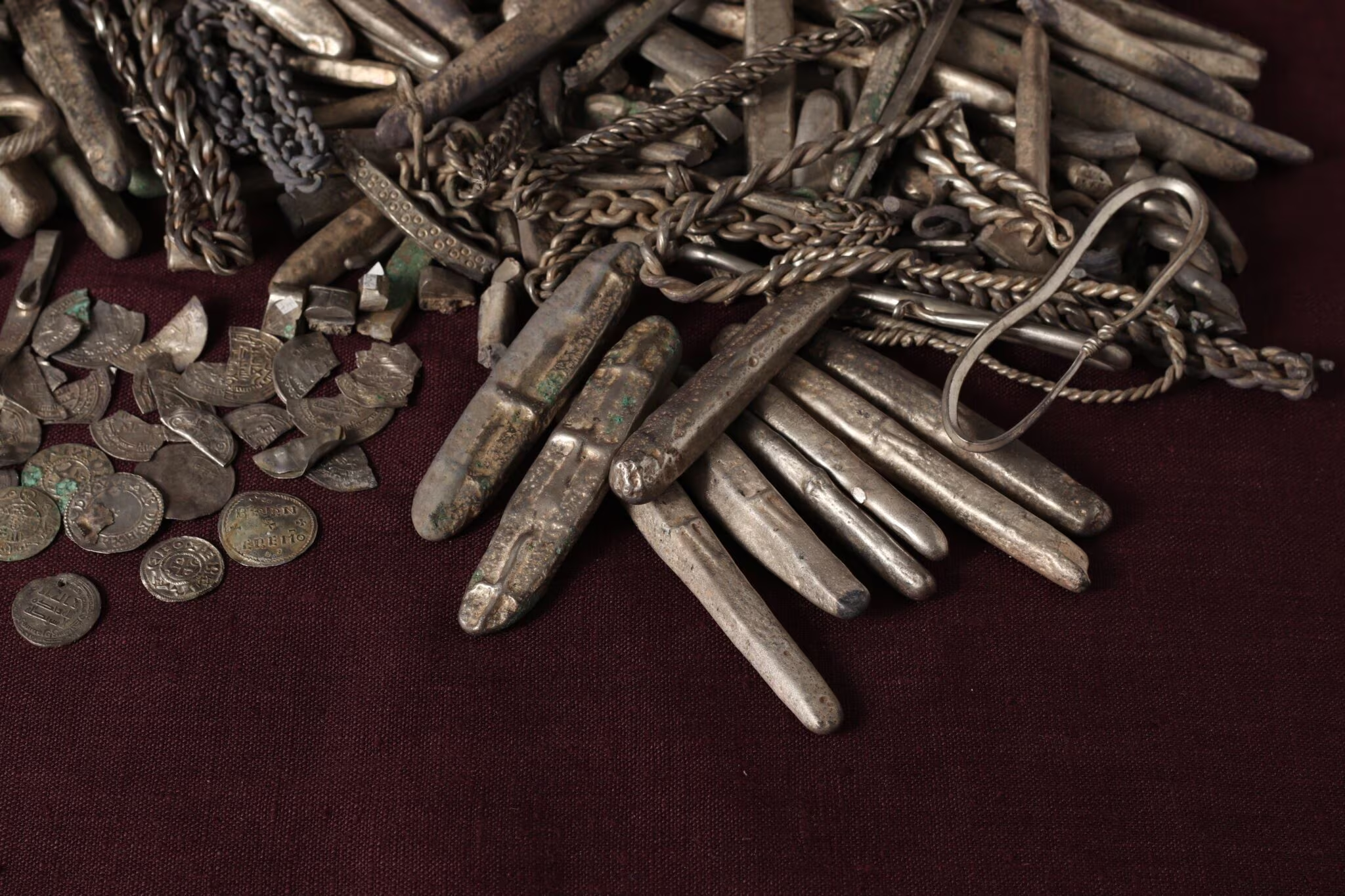
The finding includes overall 18.5 kilograms of silverdistributed in approx 700 objects and fragmentsand constitutes the largest Viking Age silver hoard so far known in Denmark: almost three times the previous record, represented by the Terslev treasure, of around 6.5 kilograms. The storage room dates back to the 10th century and was originally placed in a clay vessel. About 320 objects, weighing 6.4 kilograms, they were still inside the container, while other elements were dispersed in the surrounding soil. The finds include numerous ingots, bracelets, silver cut into smaller pieces, 47 whole and fragmentary coins and a small one Thor’s hammer.
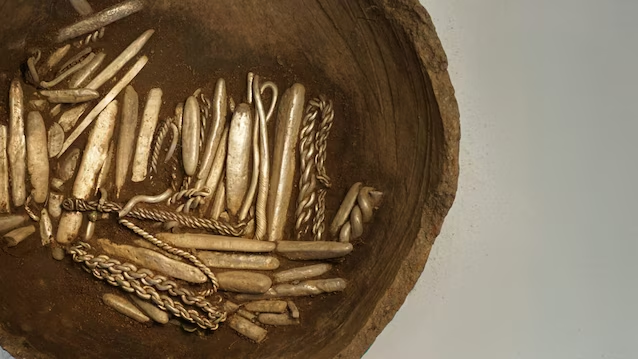
The composition of the deposit is particularly interesting. Coins constitute only a small part of the overall weight: much of the silver is represented by ingots, jewels and fragments organized according to precise weight categories. According to archaeologists of Nordjyske Museer of Aalborg, this suggests that the metal was preserved and used not only as an ornament, but also as wealth and means of payment whose value depended above all on weight.
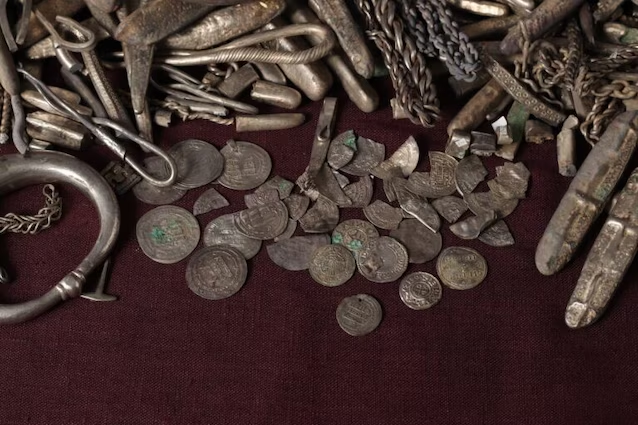
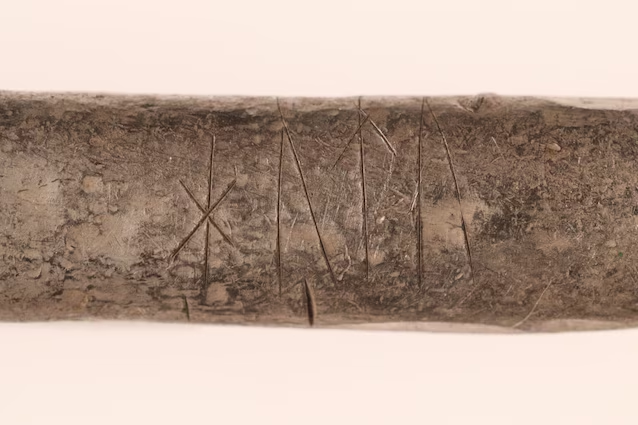
The coins also tell a story the breadth of contacts of Viking Scandinavia. In the treasury there are both Arab coins and Anglo-Saxon issues. Two of the coins found were minted during the reign of Edward the Elder (899-924)king of Wessex, providing an important chronological reference for the deposition. Some Arab coins, however, are dirhamsthe primary silver coin of the medieval Arab world, often cut into smaller pieces and used based on the weight of the silver. A further detail consists of runes engraved on an ingotperhaps interpretable as “HutuThey could represent a namean indication of property or have another meaning yet to be clarified.