A walk with the dog turned into one paleontological discovery exceptional for Damien Boschettoself-taught paleontology enthusiast from Cruzyin the south of France. While walking in the woods of Montouliersin the Hérault department, the then 25-year-old noticed some exposed bones following erosion and the partial collapse of a wall.
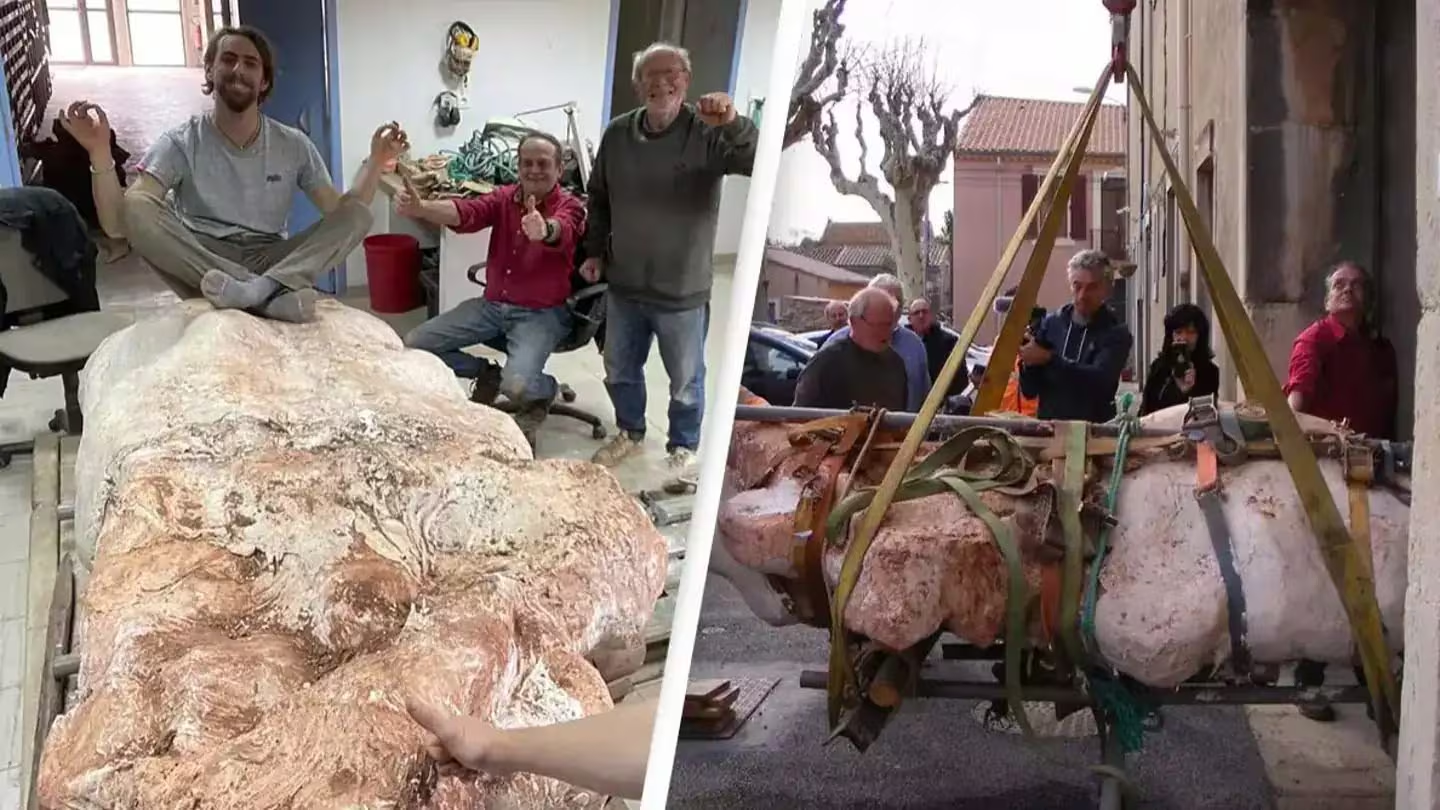
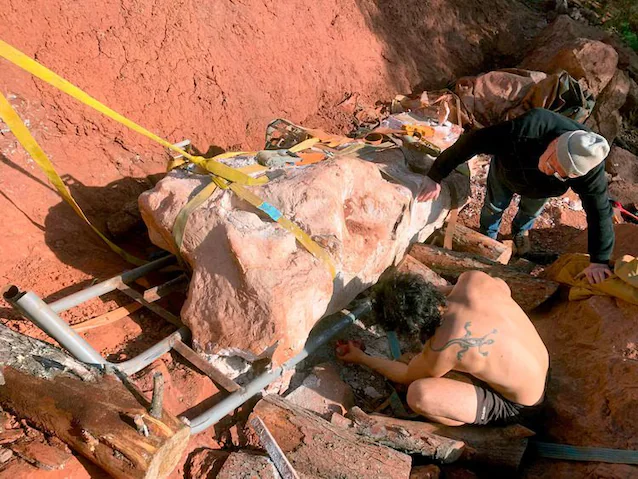
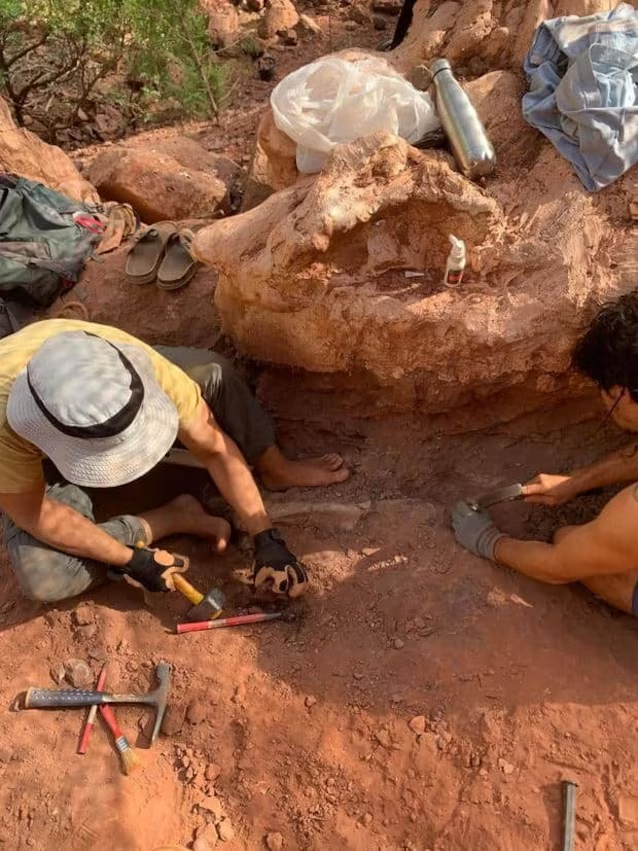
Boschetto reported the find in 2022 and began excavations together with members of theAssociation Culturelle Archéologique et Paléontologique (ACAP) of the Cruzy Museum. Initially the bones appeared to be isolated fragments, but after a few days the archaeologists realized that they were still there connected between them. The operations, carried out in several excavation campaigns, they unearthed a skeleton of titanosaur approximately 70 million years oldalmost long 10 meters and stored for approximately 70%an exceptional state for the species.
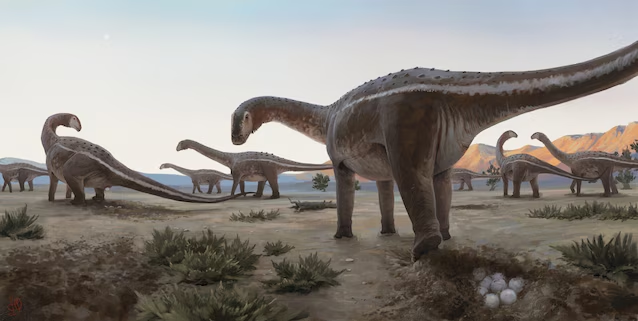
THE titanosaurs were characterized herbivorous sauropod dinosaurs very long neck and tail. It is one of the clades of dinosaurs bigger to have ever walked on our planet. The Montouliers find is particularly interesting not only for its amount of preserved bones, but also because these have largely remained in their original anatomical positionforming one articulated skeleton. According to Boschetto, it is precisely this condition that makes the discovery important for the study of dinosaurs and ecosystems Upper Cretaceous, between 100 and 65 million years ago.
The discovery of the fossil is exceptional for European standards. Finding skeletons complete is very rare: one of the specimens of T. rex best known in the world, the most complete dinosaur fossil ever found, Hisat the Field Museum in Chicagois complete at 90%and the Montouliers titanosaur is al 70%. The discovery also had consequences on the life of its author: Boschetto, until then interested in paleontology in an amateur way, left his job in the energy sector to dedicate yourself to the discipline and continue your scientific education.
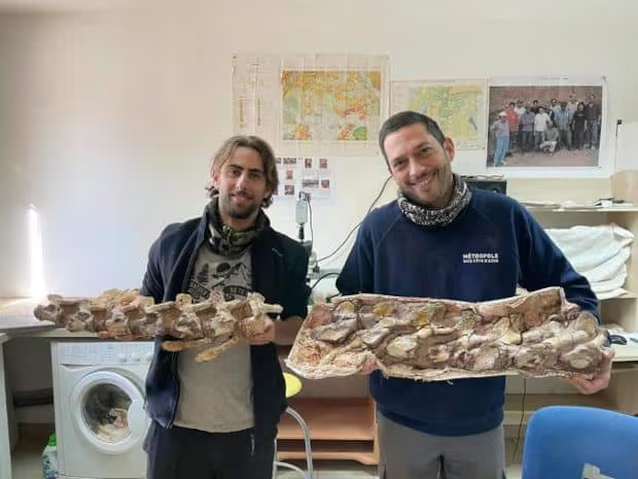
The finding was maintained secret for approx two yearswhile the fossil was being extracted, to prevent the site from being damaged or looted. In fact, the bones were embedded in a particularly hard sandstone sediment, making excavation operations necessary accurate. The fossil was then transferred to the Cruzy Museumwhere it will be studied and preserved. Despite the remarkable state of conservation, an official species-level identification has not yet been published for the Montouliers titanosaur.