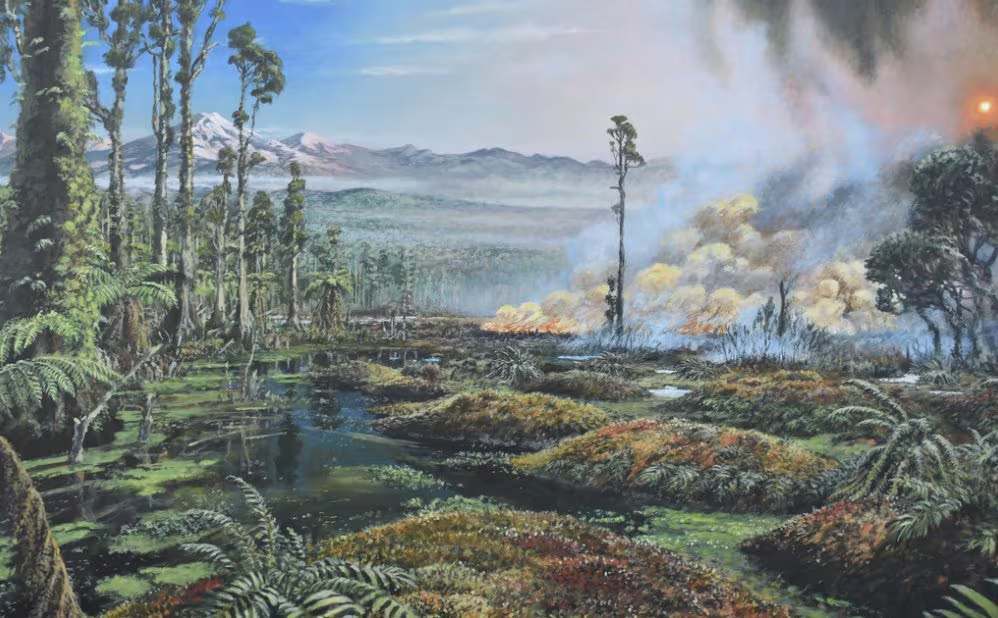
On the ocean floor along the coast ofWest Antarctica traces of have been found fires dating back to 90 million years agoin the Cretaceous, when the continent was ice-free. It’s about the more southern fires that have ever been documented on the planet.
Their evidence is found in a 30m long sediment sample which already in 2020 had allowed another exceptional discovery, providing traces of the southernmost forest on the planet that has ever been discovered. Researchers from the Alfred Wegener Institute in Germany, who published their study in the journal Nature Communications Earth and Environmenthave succeeded in reconstructing an important transition of the Cretaceous Antarctic landscape. The fires favored the ride from temperate rainforests to peat bogswetlands that have a fundamental role for the planet as they trap large quantities of atmospheric carbon.
Evidence of fires discovered in Antarctica
Six years ago the examination of the sample extracted with a drill from the ocean floor 90 km from the South Pole revealed the presence of pollen and fossil roots dating back to the Cretaceous. At that time Antarctica was not yet covered by the ice sheetwhich formed only 34 million years ago due to global cooling and the lifting of its mountain ranges, linked to the movement of tectonic plates.
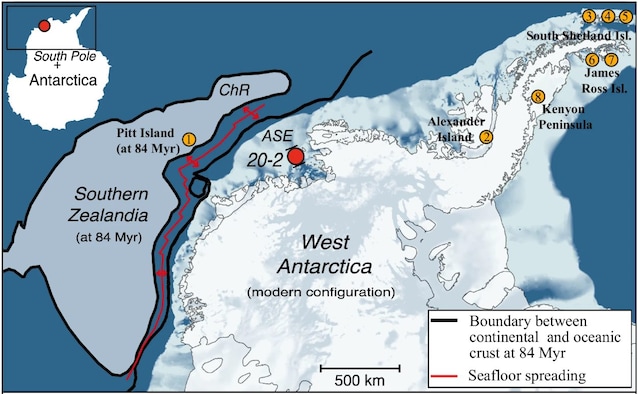
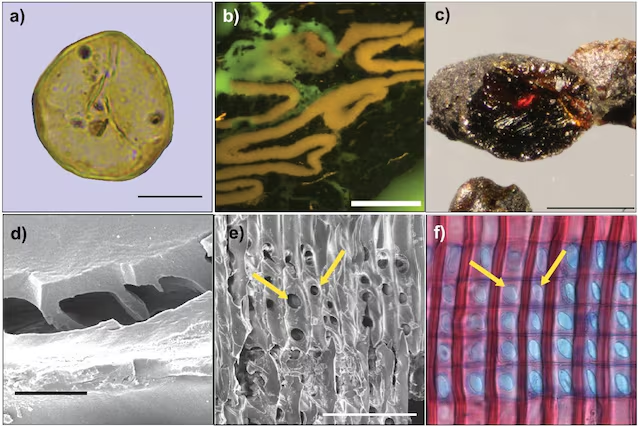
The traces in the sample testified to the presence of one temperate rainforest. Before then, evidence of a forest at such a high latitude had never been found. However, the sample would have reserved other surprises: the researchers also identified tiny ones coal fragments. Further analysis led to the findings highlighted in the new study. Microscopic examination of the charcoal confirmed that it was burnt plant materialwhich released chemical residues into the sample, which were also identified by the researchers. The presence of amber, the fossil resin of trees, represented further evidence of fires: this substance is in fact produced to repair damage, such as that caused by fire. Researchers have even managed to determine that the fires were superficial and low temperature.
The transformation of forests into peat bogs
Detailed analysis of the sediment sample revealed traces of temperate rainforestmade up of conifers, in the lower portion. In the upper layers, however, evidence of a increase in ferns and sphagnuma particular type of moss that characterizes peat bogs. The transition from one type of vegetation to another accompanied theincrease in the frequency of fires. These events have in fact created the ideal conditions for the development of peat bogs, eliminating the vegetation. Without the roots of the plants that absorb water from the soil, it accumulates, creating a marshy environment.
Cretaceous Antarctic peatlands show similarities to current Arctic peat bogs. In the Cretaceous, global temperatures, due to natural causes, were much higher than today but, like current global warming, they favored the spread of fires. Fire is an element that contributes to the development of peat bogs and can coexist with them, but it is necessary that these environments do not lose their water. When this happens due to the droughtas has been happening in recent decades, oxygen enters the soil and their peat begins to decompose. The huge amount of carbon they contain comes like this released into the atmosphere in the form of CO2with serious consequences for the planet.
