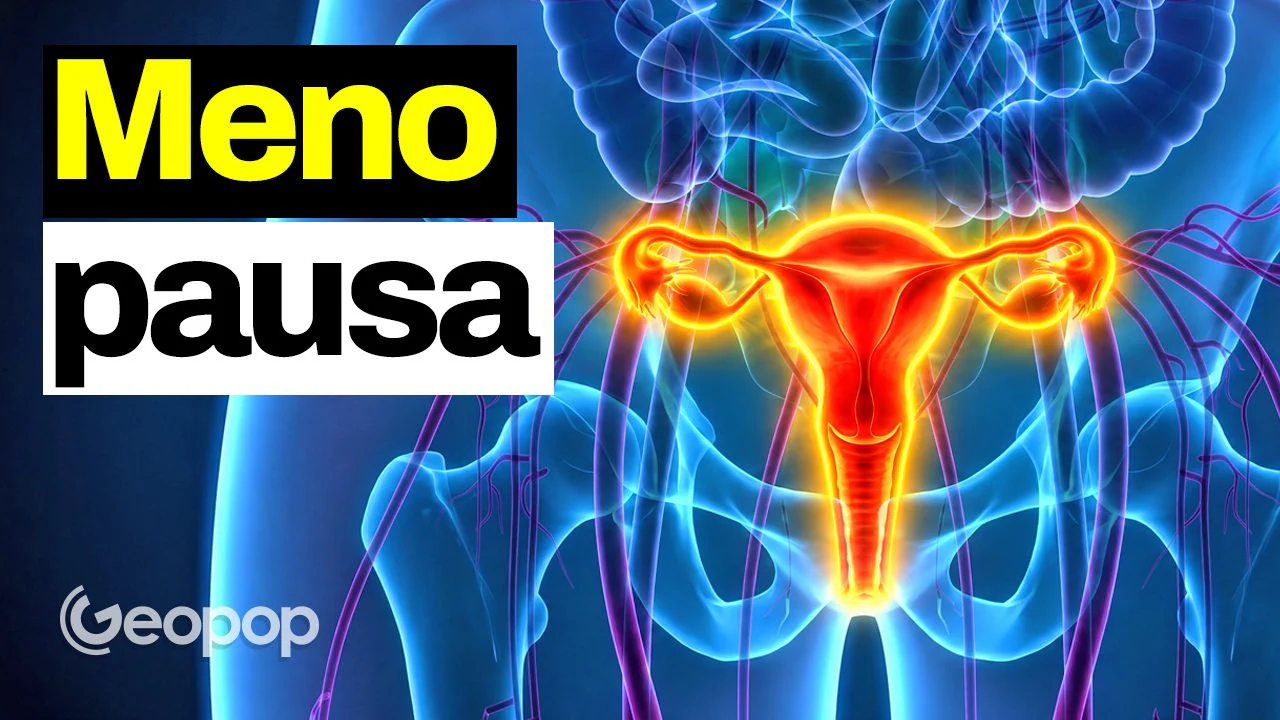
Decrease in libido, anxiety, sleepless nights and especially the famous ones hot flashes. These are some of the best known symptoms of menopauseyet many clichés still circulate around this phase of life. There are those who consider it an illness, those who associate it with mood swings “inexplicable”. The truth? We still know too little about it.
For this reason, in our latest video, we take you inside the female body to understand what happens, from a biochemical point of view, when the fertile age ends. And let’s immediately dispel the first myth: menopause is not a disease, but a physiological phase of life.
The stages of menopause
From a medical point of view, we only talk about menopause after 12 consecutive months without menstruation, a goal that is usually achieved between 45 and 55 years old. From that moment on, postmenopause begins, which represents almost a third of a woman’s life.
But the transition is rarely sudden: first there is the perimenopausea transition phase that can last even years, made up of irregular cycles And hormonal fluctuations. In the video we explain how to recognize it and why it is so different from woman to woman.
The symptoms: there is no one-size-fits-all picture
Hot flashes, night sweats, palpitations, “mental fog”, irritability, sleep disorders: the possible symptoms are many and very variable. Think about it‘80% of women experiences hot flashes and night sweatswhile the 70% has trouble sleeping. And there are also those who go through menopause without symptoms.
In the video we also see the lesser-known and long-term effects, from the bones to the cardiovascular system, and above all the impact that all this can have on everyday life: work, relationships, psychological well-being.
Millions of follicles and a “thermostat” that goes haywire
But why do we go through menopause? To understand this, let’s take a step back and show you how the menstrual cycle works, between pituitary gland, follicles and estrogens. We reveal a number that will probably surprise you: at birth a woman has approximately 1-2 million follicles, but only a few hundred will arrive at ovulation.
In the video you will discover:
- because it endsfertile age: what happens when the follicle reserve runs out.
- The famous “hormonal changes”: why one hormone rises while another falls, and what does a “brake” that stops working have to do with it.
- The secret of flushes: the role of the hypothalamus, the “thermostat” of our brain, and why with less estrogen a real false alarm is triggered.
They exist different therapiessystemic or localized, hormonal and non-hormonal. Ours is an informative video: for any information on health, the reference always remains your trusted gynecologist or gynecologist.
