The wooden remains preserved in Abric Romaní, in Catalonia, document the use of wood by Homo neanderthalensis to make tools and possible weapons, fuel hearths and organize their living spaces.
Neanderthals worked wood for manufacturing tools, weapons and household itemsbut they also used it for organize spaces within their camps. This is what emerges from a new study published in Science Advanceswith leader Palmira Saladié of the Institut Català de Paleoecologia Humana i Evolució Social (IPHES), dedicated to wooden remains found inAbric Romanía rock shelter near Capellades, Catalonia, frequented by Neanderthals between approximately 62,000 and 40,000 years ago. Especially for such ancient times, the conservation of wood, material perishableis a rare exception.
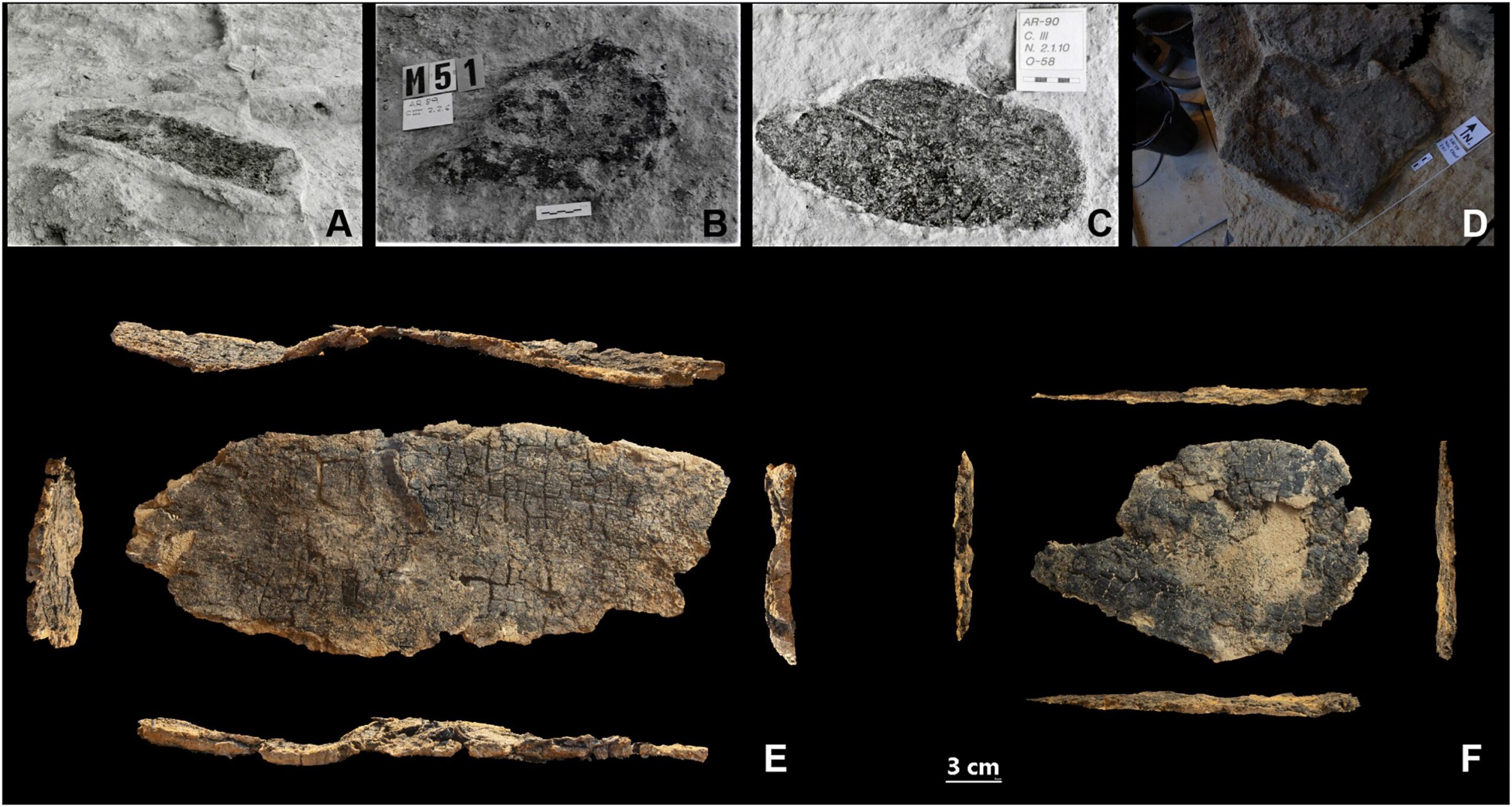
The research documented 597 finds and wooden footprints from 16 archaeological levels. Their conservation was favored by the formation of travertine: in practice, the calcium carbonate has covered the wood over the millennia, leaving, after the decomposition of organic materialcavities that reproduce its shape, similar to the casts of Pompeii. Alongside these footprints were also recovered charred remains. Most of the finds consist of trunks, branches, roots and firewoodbut scholars have also identified 13 artefacts attributable to human intervention. The sample includes household items, structural components, tools and possible weapons. Not all functional interpretations are certain: the form and the archaeological context allow us to formulate hypotheses, but not always to establish precisely how the objects were used.
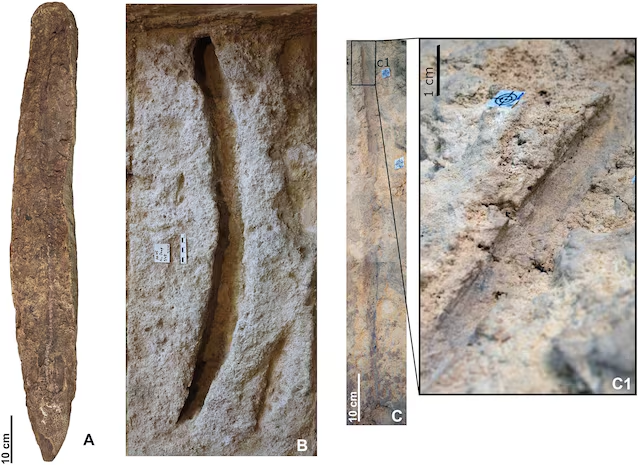
The finds include four artefacts interpreted as “trays” made from barksome with concave surface. They could be used to transport food or collect materialsbut the authors urge caution regarding their function. Other remains include pointed sticksone of which shows traces of processing, and two objects interpreted as wooden spears. Particularly unusual is a mace-like artifact. Its shape has no clear comparison in thethere known prehistoric documentation; it also remains uncertain whether it was a tool or a weapon. However, the discovery expands the variety of wooden objects documented in a Neanderthal context.
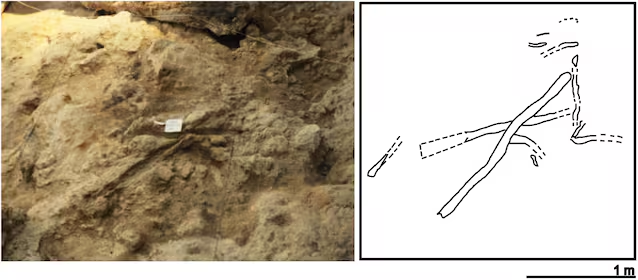
Wood, it seems, also played a role inorganization of spaces. In one level fragments of three stickstwo of them crossedabove a hearth: they could belong to one raised structureperhaps connected to the processing and cooking of food. In another level a pole 5.10 meters longwithout branches. Its location, near several hearths in an area interpreted as space to sleep and restsuggests that it may have been part of one light wooden structuremaybe a shelter or a windbreak.
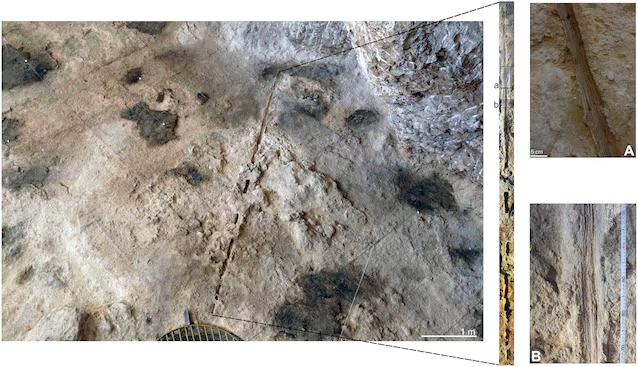
The choice of fuel is also revealing differentiated sourcing strategies. The Scots pine (Pinus sylvestris) was the main source of wood for the hearths, but the dimensions of the remains found vary from small twigs to trunks several meters long. In some places they have been recognized real wood reservesarranged especially near the walls of the shelter or at the edges of the occupied areas.
The result of the study is exceptional. Although one might assume that Homo neanderthalensis used wood, the perishability of this material has left very few traces to be able to say with certainty. The conservation of Abric Romaní allows us to observe a normally invisible part of the material culture of the Paleolithic. The functions of some finds remain the subject of speculationbut the whole documents a diversified use of wood, from the collection of fuel to the manufacture of tools, weapons and possible housing structures.
