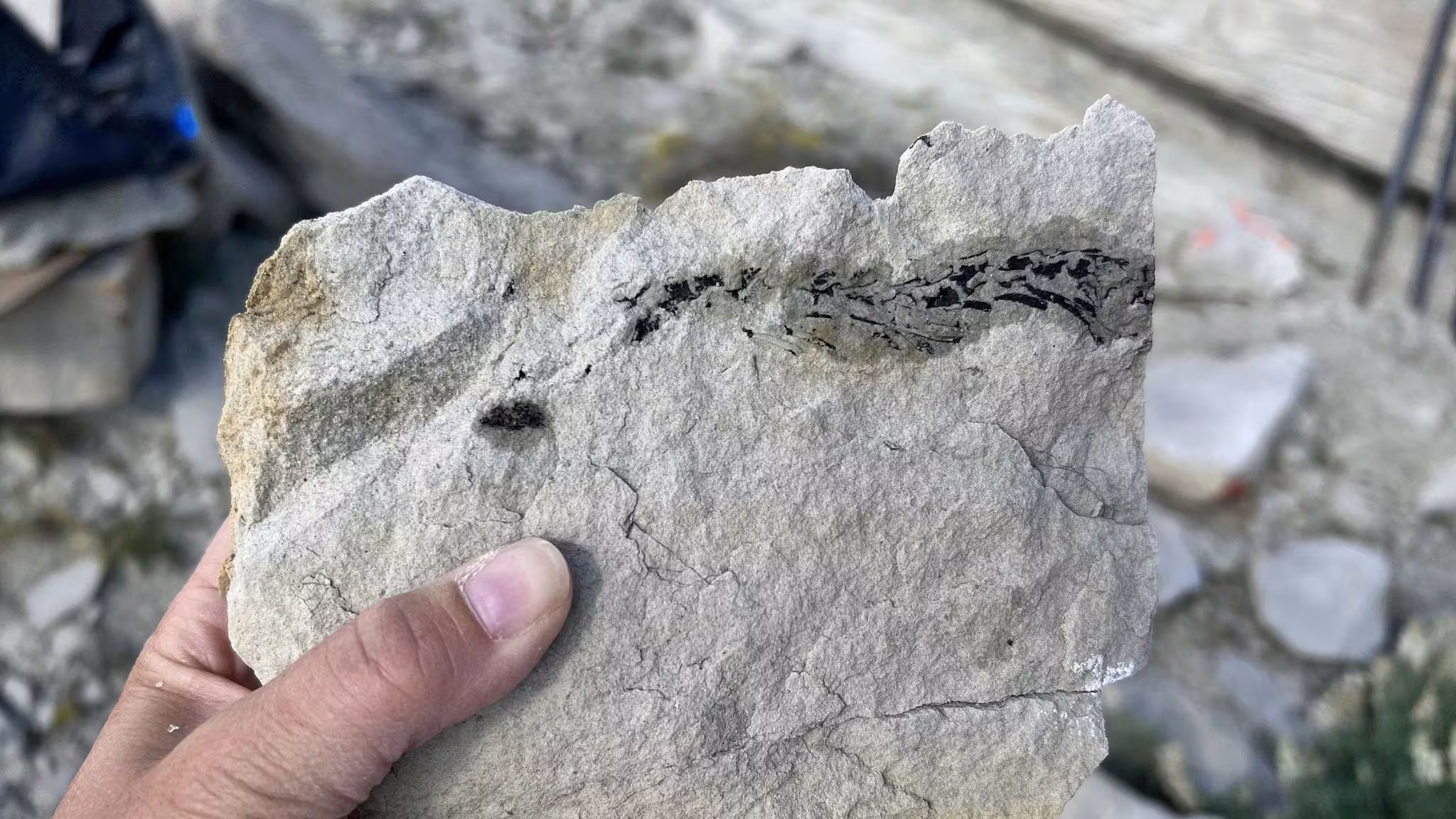
The Meilynodraco amonamarthi is a new species of semiaquatic reptile about 45 cm long, with two small horns on its head. It lived 156 million years ago in what is now Wyoming, and is currently the oldest known coristoder in North America. The reconstruction of the skull using X-ray and neutron tomography has made it possible to clarify its role in the evolution of this still little-known group of reptiles.
A small reptile about 45 centimeters long, with two small horns on its head, lived 156 million years agohelps to clarify the evolutionary origins of coristoderian extinct group of predominantly aquatic reptiles widespread in the Northern Hemisphere from the Jurassic to the Miocene, between 160 and 20 million years ago. The species, previously unknown, has been named Meilynodraco amonamarthi and featured in the magazine Royal Society Open Science starting from fossil remains of the Morrison formation, in Wyoming. The study is led by Torsten Scheyer of the University of Zurich.
The discovery is important above all for the evolutionary position of the new species, to which the name was finally given amonamarthi in honor of Amon Amartha Swedish metal band particularly appreciated by the first author of the study.
The artefact was recovered in 2022 in the Meilyn Quarry (hence the name of the genus, Meilynodraco“Meilyn’s dragon) and includes an articulated spineThe pelvis and some bones of the hind limbs. To these elements are added cranial remains (an almost complete skull) partially preserved separately and dispersed within the rock. Precisely the presence of these structures made it possible to recognize the animal’s belonging to Choristoderadespite the small size and the incomplete conservation of the skull.
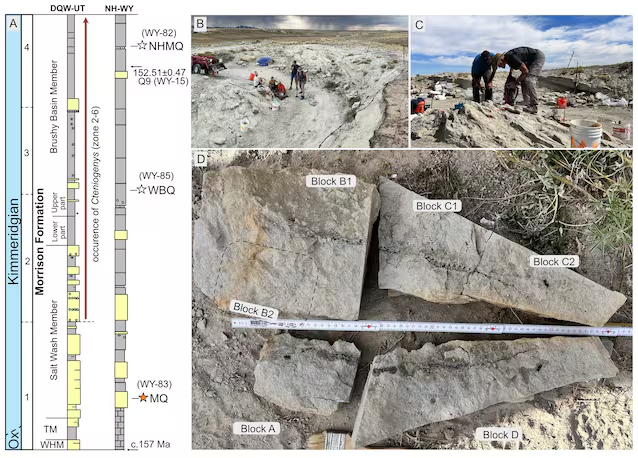
To study the fossil, still largely incorporated into the sandstone of training, the researchers combined the X-ray tomography with neutron tomography. The two techniques allow you to obtain three-dimensional images of the interior of the rock without having to mechanically remove the surrounding materiala process that could have damaged fossil remains. The analysis allowed the identification and virtual reconstruction of skeletal elements not visible on the surface, including most of the skull.
Coristoderans constitute a group of reptiles with an evolutionary history still little knowndue to shortage of well-preserved and articulated fossils, especially in the most ancient phases of their evolution. Meilynodraco amonamarthi therefore represents the oldest coristoder documented so far in North America ed it is slightly older of the other known species in the Morrison Formation, Cteniogenys antiquus.
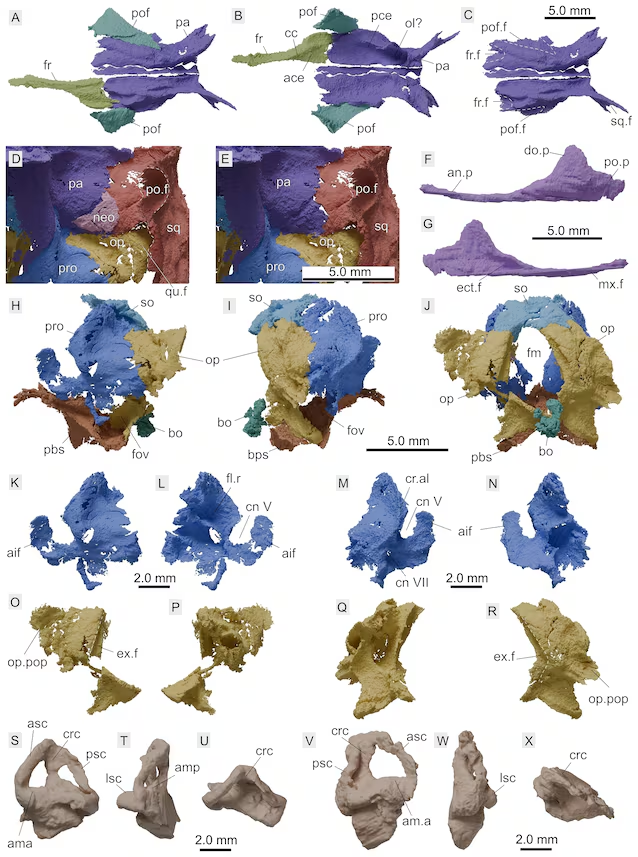
Phylogenetic analyzes place the new reptile in the most basal positions of the coristoder evolutionary treein a configuration shared with Heishanosaurus pygmaeusa kind of Lower Cretaceous (145-99 million years ago) coming from China. Some are particularly significant characteristics of the skull: the region ofinner ear and, in particular in this one, theprootic bone present similarities with those of the reptiles belonging to the group it includes current species. This characteristic could indicate a greater evolutionary closeness between choristoderans and modern reptiles than suggested by other fossils.
The new specimen therefore offers important testimony of the first phases of the history of the Coristoderans and it shows how much tomography techniques can contribute to the study of finds which, on a superficial examination, would appear to contain little anatomical information.