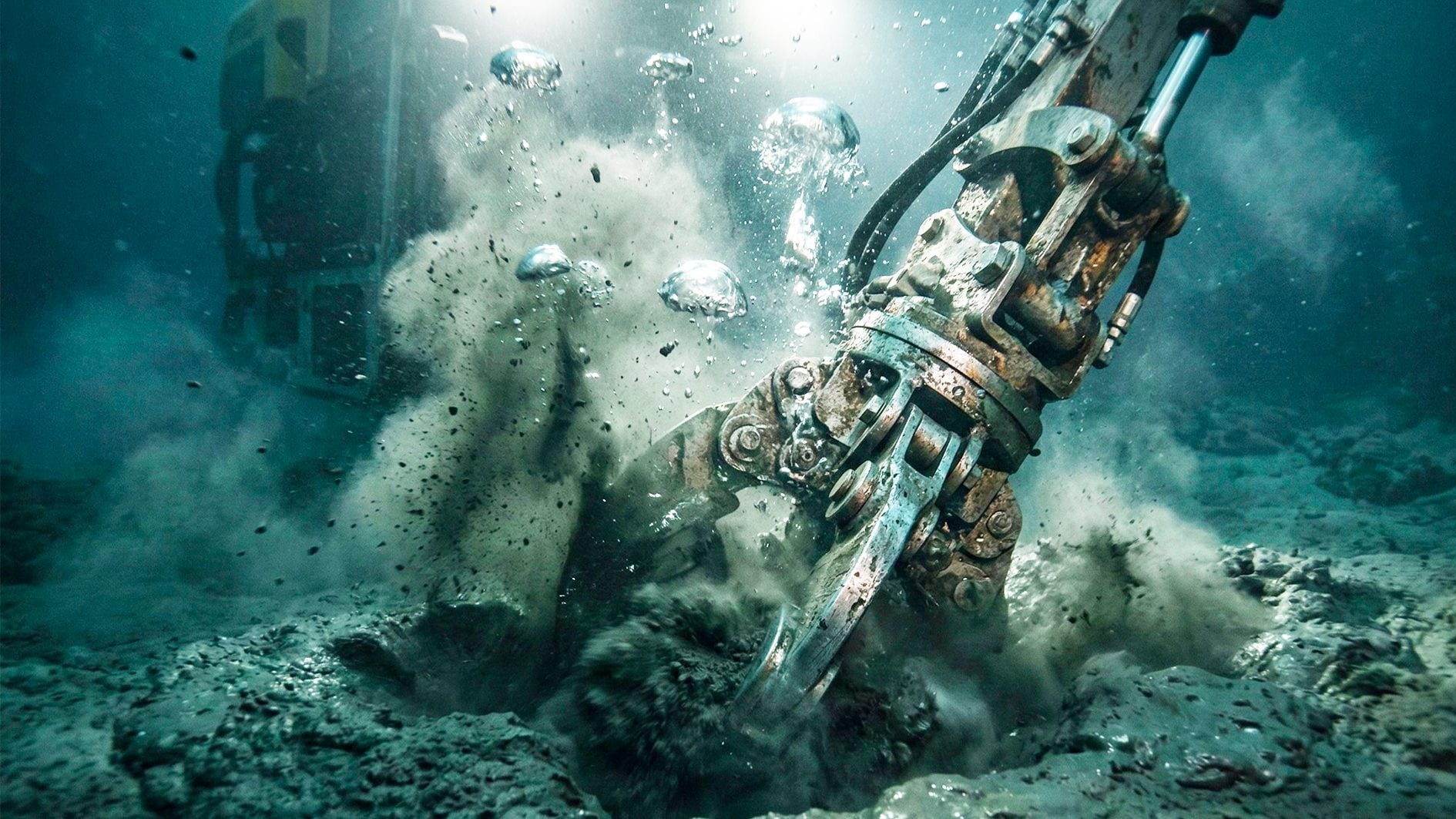
The Japanese government recently announced the potential discovery of one of the largest deposits of rare earths – strategic resources for current technological development – on the bottom of thePacific Oceanapproximately 6000 meters deep, near the island-atoll of Minamitorishima. Estimates are around 16 million tons of rare earthsan amount that can satisfy the Japanese technology industry for more 700 yearsguaranteeing not only a significant reduction in dependence on imports of these resources from abroad, but also a strategic position in the global geopolitical and technological context.
The recovery of sediments from the seabed of the Pacific Ocean
The news was released by the Japanese government and the prime minister Sanae Takaichi last 2 February 2026. The team aboard the Chikyuthe scientific vessel equipped with deep-water drilling systems and part of several international soil and ocean subsoil exploration programs, would have recovered sediments rich in rare earths from the seabed ofPacific Ocean around the small island-atoll of Minamitorishima. The muddy sediments were reportedly recovered in three locations between January 30 and February 1, at a depth of approximately 6000 metersa challenge that, to date, not many nations have been able to face. A video released by members of the research team shows a digging tool collecting mud from the ocean floor.
What elements do the recovered sediments contain?
The precise chemical composition and concentration of rare earths are not yet known and can only be determined after further analyzes which will be conducted over the next few weeks. Nonetheless, experts believe that such sediments may contain large quantities of dysprosium (used for high-strength magnets used in smartphones and electric vehicles) and yttrium (used, for example, in the production of lasers) as well neodymium, gadolinium And terbiumall elements used in the production of high-tech devices and potentially capable of satisfying national needs for over 730 years. This would be an overall estimate higher than 16 million tons of rare earth elements which, if confirmed, would place this deposit among the first five to the world.
A strategic asset for the Japanese technology industry
Clearly, the extraction of mineral resources from such deep seas is an important one challenge logistics And technological. Extreme pressures, lack of light and distance from major infrastructure are all risk factors that significantly increase operating costs. Nonetheless, the Japan aims to start the extraction process as early as 2027, with the aim of achieving a daily production of up to 385 tons of sediment extracted. If the estimates were to be confirmed and Japan really succeeded in the mammoth undertaking of starting a continuous extraction process in the area, this could represent a turning point for the country which currently imports approximately 70% of rare earthswith the China as the main supplier. This would dramatically reduce its dependence on foreign countries and significantly strengthen its role in the global geopolitical and technological context.
