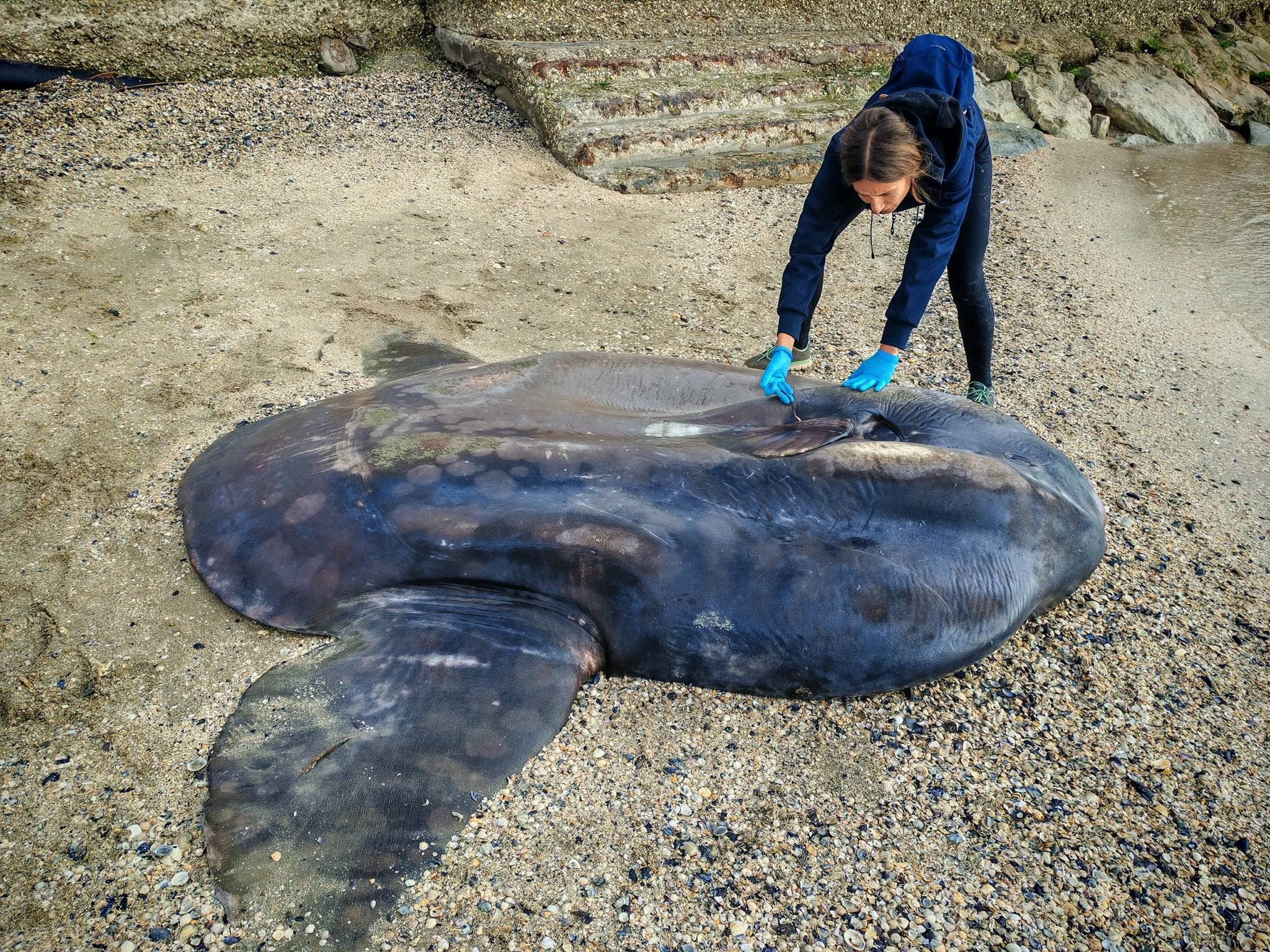
TO Marina of Ravenna a gigantic specimen of was found lifeless sunfish (Grindstone), about 2.5 meters long and weighing 400kg. This fascinating animal, known for being the heaviest among bony fishes known, beached on Tuesday 10 March 2026 along the Adriatic coast, attracting the attention of swimmers and experts. The recovery of the carcass triggered a joint operation between researchers and local authorities, with the aim of investigating the causes of death and collecting precious data on a species which, despite being native and present in the Mediterranean, still hides many secrets. In fact, it is not the first time that a specimen has been recovered on the Adriatic coast, in 2024 an individual weighing almost 1000 kg washed ashore in Cesenatico.
The images of the sunfish beached in Marina di Ravenna
The sad discovery occurred near the palisade of Marina di Ravenna. The experts intervened on site CESTHA (Experimental Center for the Protection of Habitats) and of CERT (Cetacean Strandings Emergency Response Team), supported by the Port Authority. From the first information provided by biologists, the enormous carcass shows no obvious signs of interaction with human activities such as signs of lacerations due to impacts with a boat propeller or grazes due to entanglement in a fishing net.
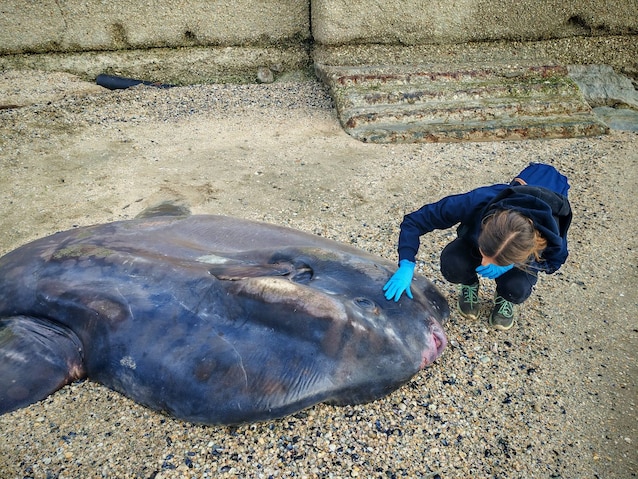
A few days before the discovery, CESTHA experts had sighted and tried to rescue a sunfish in serious difficulty almost in the same stretch of sea. In all likelihood it is the same specimen, whose health conditions had already appeared compromised. Now it will be up to CERT’s investigations and analyzes to establish the cause of death and deepen our knowledge of these rare and peaceful giants of the sea.
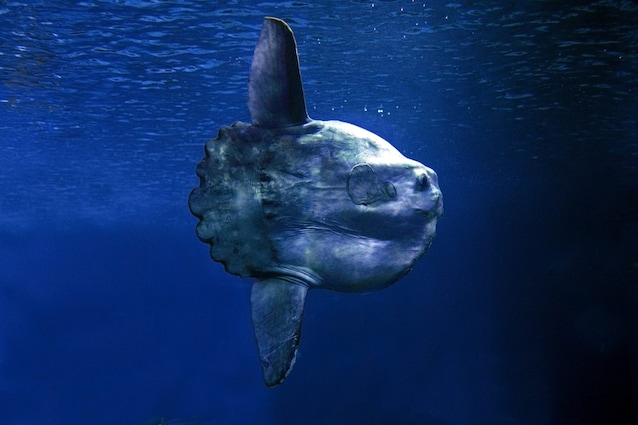
Characteristics of the rare ovoid sunfish: where it lives
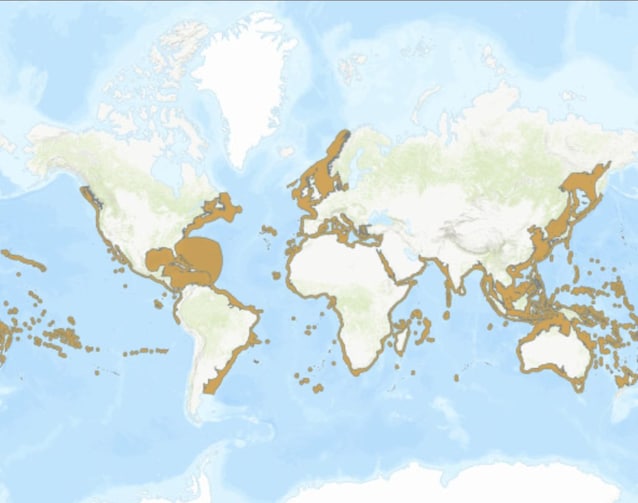
The sunfish, belonging to the Mola genus and known for being the heaviest among bony fish, it is a species present in all seas and oceans of the world, including the Mediterranean Sea and the Adriatic Sea, preferring tropical and temperate areas. In these habitats it swims – very slowly – in the open sea and in coastal waters at depths ranging from 30 to 1515 m.
The size of sunfish is remarkable. Larger specimens can surpass the 2 tons weight and reach 4 meters in height and 3 meters in length, they are often taller than long. It’s not just the size that is surprising but also its size form ovoid and laterally compressed resembling a full moon. Also, instead of a “true tail”, it has the clavusa truncated rudder-like caudal fin. It relies on its dorsal and anal fins to swim, using its small pectoral fins as stabilizers.
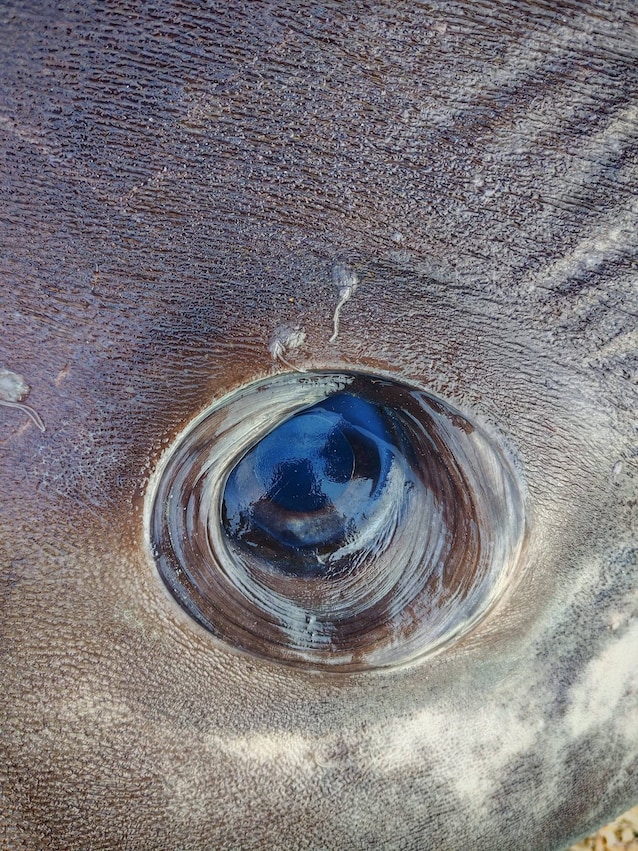
These fish have a thick skinwithout scales but covered with small thorns, and a very small beak-like mouth with two pairs of hard dental plates. This conformation is consistent with the diet. Sunfish feed primarily on gelatinous organisms such as jellyfish as well as zooplankton and occasionally small fish, squid, algae and crustaceans.
Despite being related to the puffer fishthe sunfish it is not itself poisonous or dangerous to humans. However, the European Union prohibits its marketing fearing the presence of neurotoxins similar to those of his cousins. Scientific studies, however, have found no evidence of this toxicity in its meat, which is consumed in several Asian countries, such as China, Taiwan and Japan.
A vulnerable species: the main threats
Despite its size, the sunfish – whose females can lay millions of eggs in their lifetime – is endangered and its global population is in decline. The IUCN red lists – International Union for Conservation of Nature and Natural Resources – classify i Mola Mola as Vulnerable.
The main threats to the survival of this species are:
- The bycatch: accidental capture. Even though it is not a primary target, it very often ends up trapped in commercial networks intended for other species
- Plastic bags: When they end up in the ocean, they float to the surface and look a lot like a jellytheir favorite meal. If the fish doesn’t suffocate while sucking in the bag, the plastic can block its stomach, causing it to slowly die.
- Lack of protections: currently there is a lack of specific conservation sites and sufficient international regulations to guarantee the protection of these peaceful giants of the sea.
