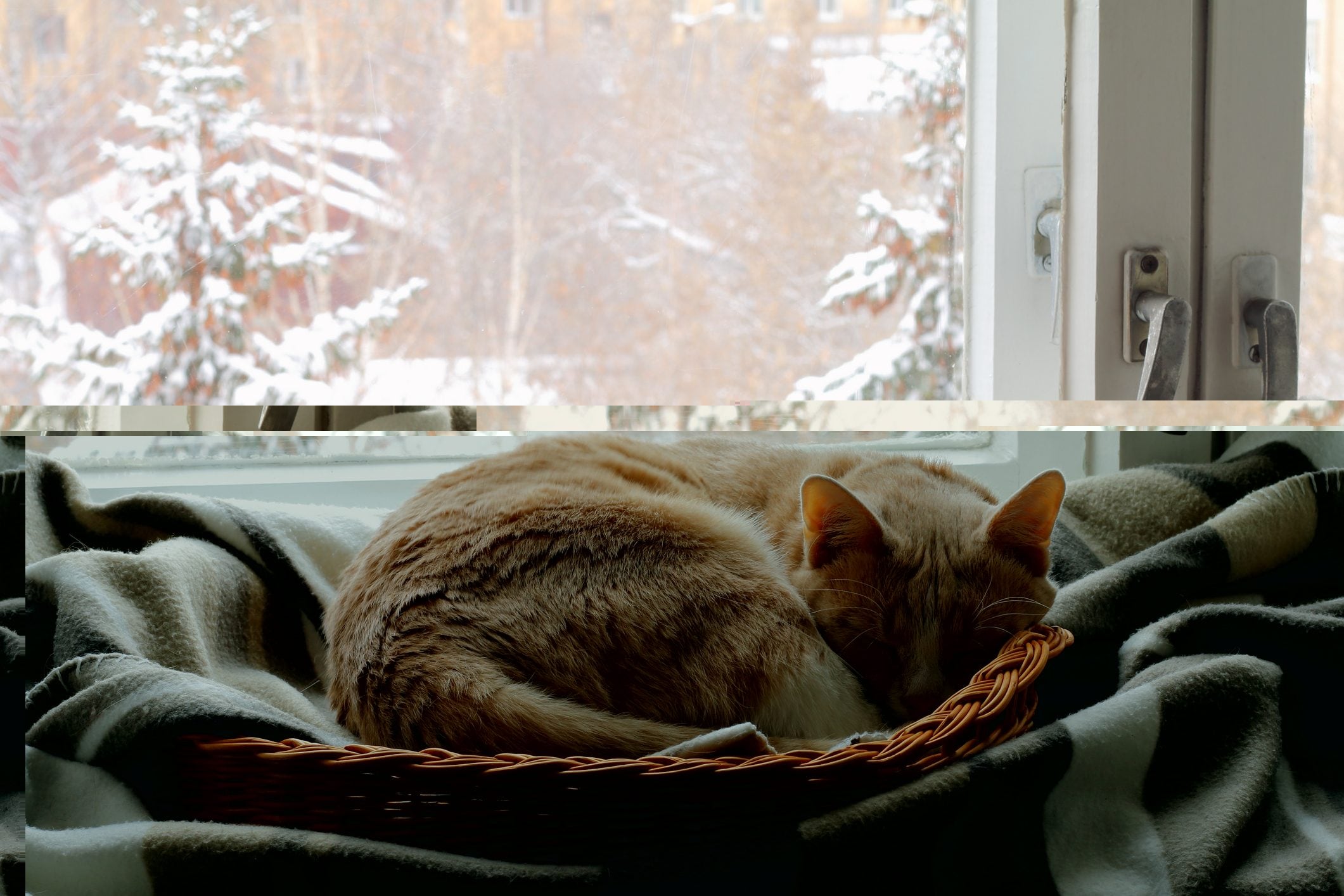
In the cold months, cats seem to spend more time snoozing, often curled up in warm corners, under blankets or curled up near radiators. The tendency to sleep more during the winter is not a coincidence, nor even a sign of laziness: it is a behavior deeply rooted in biology andfeline evolution. In fact, domestic cats initially evolved as predatorsand a typical predatory strategy to increase the chances of survival is save your strength during periods when obtaining prey is more difficult. In winter, with less prey available, it is therefore advisable to sleep longer, even beyond 12-18 hours, and concentrate the period of activity in a few hours.
The reasons for cats’ winter sleep
Like us humans, cats are sensitive to variations in light and temperature. With shorter days and reduced light cycles, changes occur in the secretions of hormones such as melatonin, the same hormone that regulates the sleep-wake cycle in humans. Less sunlight means more production of melatonin, the hormone that regulates the circadian rhythms and the sleep-wake alternation: a greater quantity of melatonin indicates to the cat’s body that it is time to slow down and rest. The amount of melatonin also influences cats’ reproductive cycles, especially estrus.
The cold itself can influence the behavior of felines: as with many other animals, a colder environment causes them to save rather than spend energy. Although domestic cats today don’t have to hunt to survive (domestication has made this task fall to their owners), the predatory instinct remains, and with it that of preferring long naps instead of vigorous activity when it’s cold outside. Finally, the reduction of opportunities for external stimulation – fewer rodents and birds to chase, fewer insects to chase, days spent indoors – can push the cat to fall asleep more often simply because he has no other ways to spend his time.
How much do cats sleep compared to humans
The amount of sleep cats get is far greater than ours: a typical adult cat typically rests between 12 and 18 hours a daywith very young or old specimens resting more. Compared to humans, who on average sleep about 7-9 hours per night, feline sleep is distributed throughout the day in a fragmented manner: cats do not sleep in a single long block but do many short naps.
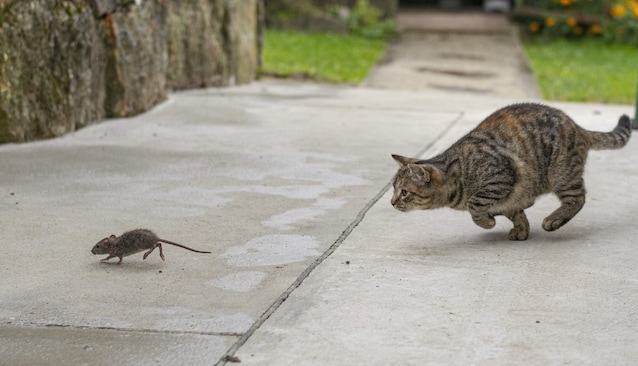
A trend linked to their nature as crepuscular predators: In their wild origins, felines are most active at dawn and dusk, times of the day when their vision and agility make them particularly effective at hunting. During the rest of the day and night, cats prefer to save energy in anticipation of hunting moments. In winterwith fewer hours of light and lower temperatures, the tendency to sleep is therefore accentuated: cats can spend more time in a state of half-asleep or light sleepbut always ready to recover quickly if something catches their attention.
Tips for keeping cats active in winter
Although sleeping more in winter is completely natural for cats, an increase in sleep is not always related only to the season. Excess sleep can hide some problems such as illnesses, infections or psychological stress. It is important to observe the quality of waking moments: A cat who, when awake, eats, plays and is responsive is probably following a normal biological adaptation. On the contrary, apathy, little interest in the environment or difficulty moving can indicate chronic pathologies, such as joint or metabolic problems, which tend to manifest themselves or worsen in the cold months. Stress, boredom and reduced environmental stimuli can also lead the cat to sleep excessively as a form of withdrawal.
An alarm bell is represented by sudden and marked changes in behaviorespecially if accompanied by changes in appetite, weight or use of the litter box. Excess rest can also result in weight gain with consequent health problems: theobesity among cats it is accompanied by a greater incidence of arthritis, inflammation and heart disease, for an average life expectancy of 5-10 years instead of the usual 10-15 years. Stimulate your cat via regular gaming sessions and greater exposure to natural brightness (for example, leaving the curtains open in areas frequented by the cat) helps keep it reactive and counteract winter sedentary behavior. In summary, if sleeping more is normal, a general loss of vitality is not: evaluating the cat’s overall behavior remains the best way to understand when it is time to consult the vet.
