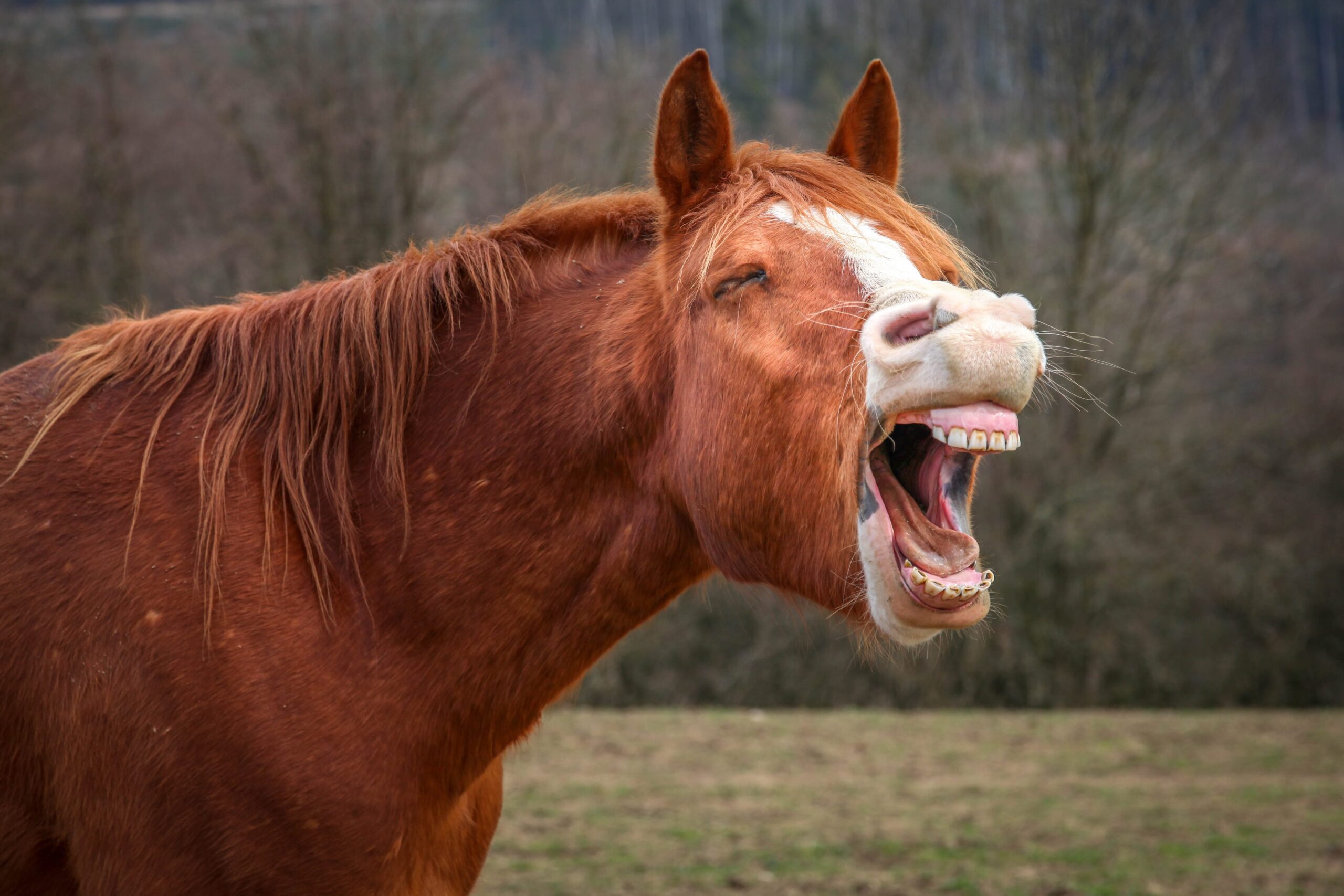
“A Cavallo Donato does not look in the mouth“It is one of those proverbs that survive the centuries and often generate doubts: the meaning explains that when you receive a gift it is good not to criticize or judge its quality but to accept it with gratitude. Its history is born in late ancient Latin culture, passes through humanistic philology and reaches us, but but does not cross the history of the Trojan horse in any way. In ancient times, when a horse was a good value (it represented a means of transport, it was important for work and indicated a certain social status), the first thing that an expert buyer controlled was the mouth, from dentitionin fact, estimated age and therefore the price: a young animal was worth more, one old less.
From this reality the saying is born: If the animal is a giftputting the hand between the lips to examine the value is rude. Receiving a gift does not mean measuring its material value, but recognizing the gesture and intention of those who offer it.
The proverb already appears in Late-ancient Latinit is the most authoritative and early testimony so far known. In the Preface to the comment to the letter to the EphesiansSan Girolamo writes – explicitly presenting it as vulgar proverbium, Popular said – «… Ut vulgare proverbium est: Equi tooth installments donate».
The Latin maximum is attested in two forms: the one to the negative imperative, “Noli Equi Denas Intipicere donati”closer to the classic Latin, and the passive gnomic surrender, “Equi donati denteas not inspiiciuntur”widespread in late medieval and school era. Both transmit the same precept, even with different registers.
Between Renaissance and early modern age the proverb circulates widely in the collections of sentences: it appears in the great Erasmian repertoire of Ega and passes in English with John Heywood (Proverbs1546), which fixes it in the formula that has become canonical: “No man oaught to Lake a Geuen Hors in the Mouth”. The nineteenth -century edition of the work even reports a printed antecedent around 1510.
It is worth clarifying a misunderstanding: The saying has nothing to do with the Trojan horse. The phrase is literal and derives solely from the veterinary custom to estimate the age and quality of a horse by observing their teeth.
