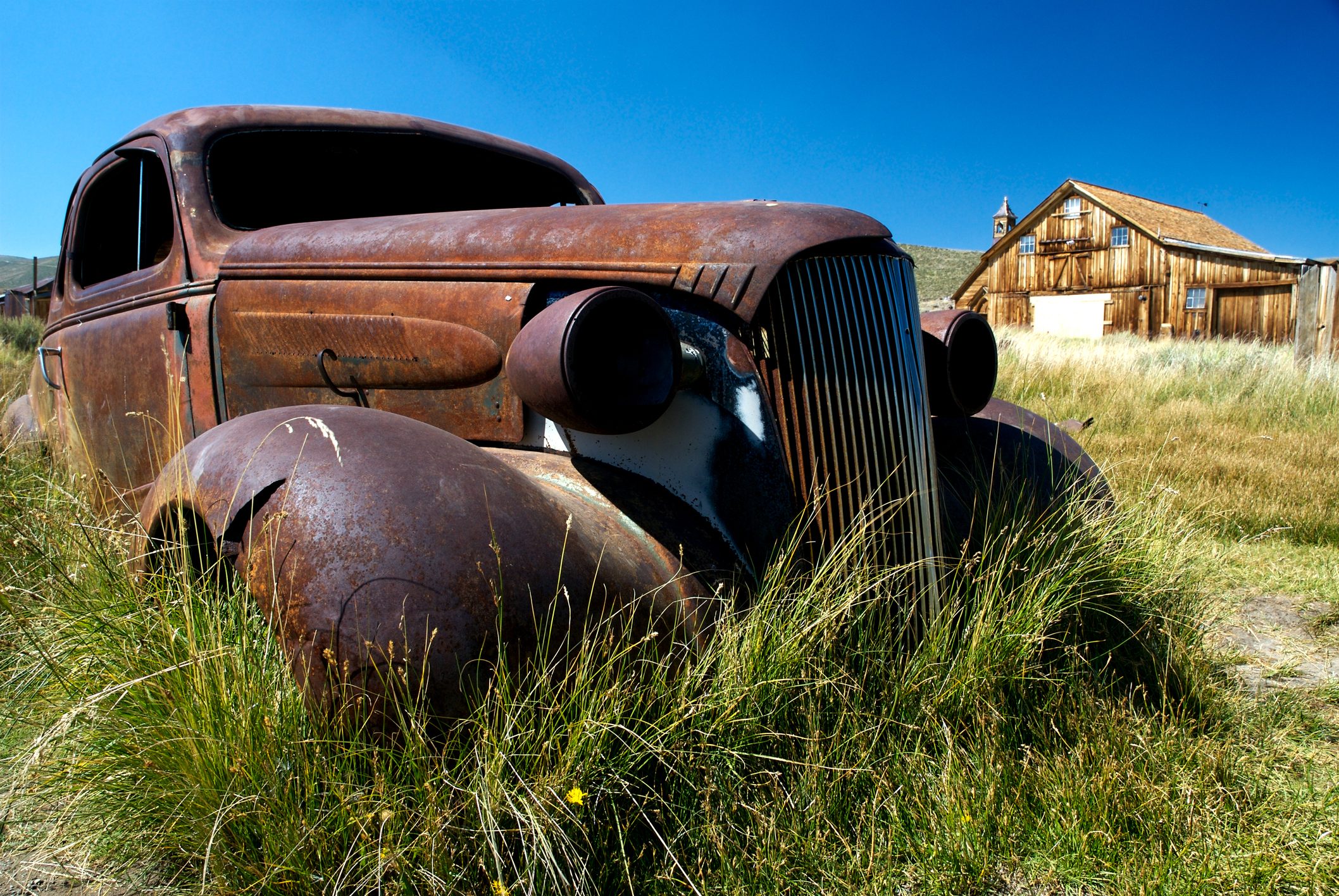
THE Damage to the bodywork and painting Of a car, such as white spots and discolored on the roofs, as usual less dangerous for the safety and reliability of the vehicle, are certainly the first to be noticed also by the less “expert” drivers of mechanics and, given that the purchase of a car is often a non -negligible financial commitment, it is understandable that many people develop great attention to your vehicle trying to keep the car at best. The painting of the vehicle, in fact, has not only an aesthetic purpose, but also allows you to protect the bodywork from external damage. However, factors such as scratches, bumps, but also the saltprolonged exposure to UV rays (responsible for example, also of the inline of the plastic of the headlights) up to the excrements of the birds can damage the layers of protective paint. Even if it may seem purely an aesthetic problem, the loss of protective layers can expose the metal to external agents, such as water and oxygen, triggering the oxidation process and the formation of rust. For this reason, in the decades the manufacturers have spent time and money at the Search for more resistant materialsmore lasting paints and restoration of protective layers.
Rooms, UVs and organic factors cause damage to the car paint
One of the more avid enemies of our cars is the saltis transported as salt from the winds from the sea or “shot” on our car, especially in the areas closest to the ground, during the winter monthswhen large salt is scattered on the roads to avoid the formation of ice on the asphalt. Salt can accumulate In some areas of the vehicle, especially where water can stagnate and not flow immediately, but also nest in the already ruined areas from scratches or dents of the external bodywork: here it is concentrated, attracting the humidity of the air given its hygroscopic properties, e accelerating corrosion processes of the metal thanks to the presence of chloride ions (from NACL and MGCL salts2).
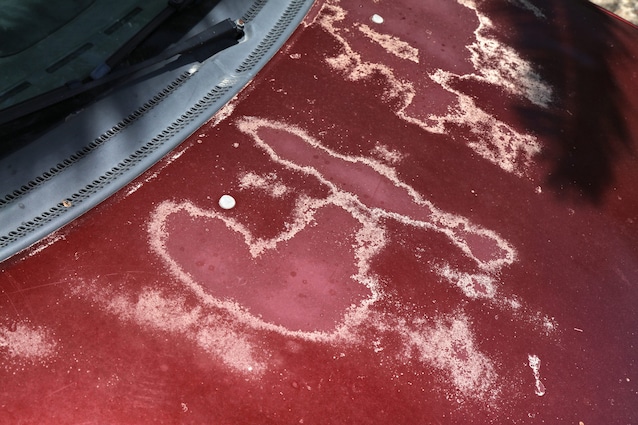
However, the paint can be attacked both by UV rayscapable of degrading the protective layers of paint, such as transparent, but also by biological sources such as Bird excrements: the high concentration of uric acid (C5H4N4OR3) and the enzymes present make these dejections particularly aggressive towards the protective layers of the paint.
When the protective layers of paint come away, areas are created in which atmospheric agents will be able to attack the lower layers and the metal, favoring thetorrugure of the metal And the expansion of the damage even in larger areas.
The fight against rust
That against rust is one endless struggle: maintain critical infrastructures, ships and other means of transport and in general any important metal object has an estimated cost between 3 and 4% of the GDP of a modern nation, with an expense around 2500 billion dollars all over the world.
Most metals have a more or less pronounced trend, a oxidize Forming compounds with oxygen present in the atmosphere, in the presence of humidity, a process sometimes advantageous as in the case of titanium, whose oxidized surface layer protects the internal ones. Unfortunately, for other metals such as the iron or its alloys The process does not stop on the surface but indeed manages to penetrate the lower layersdoing LOSE to the material the resistance and initial mechanical characteristics.
Our machines are not exempt from the problem: the Carrozzeria sheets and the parts of the frame are normally treated with anti-rust painting or galvanizing To slow down this process, but some environmental factors can strongly accelerate it.
How to defend themselves from aggressive agents: bodywork treatments and home
The cars already benefit from the factory of protective treatments: the sheets undergo processes such as galvanizingwhich exploit theoxidation of another metal (zinc in fact) on the surface to stop the reaction e protect steel (and therefore the iron, present in the League) below.
On the painted surfaces, however, it comes sprayed a layer of “transparent”, An additional layer of transparent paint capable of forming a further barrier to defend against atmospheric agents. For cars with a few decades on the shoulders, they are spreading on the market ceramic coatings to be able to apply on the bodywork for restore the protective layers ruined by the years: These are expensive treatments, carried out by professionals with adequate equipment.
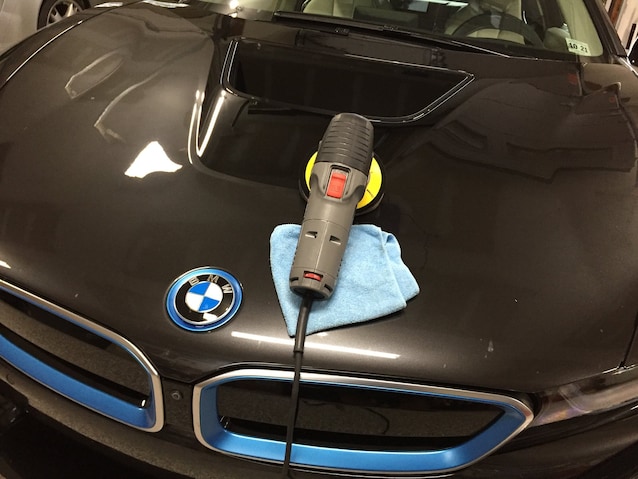
The cheapest method certainly remains that of regularly clean the car and apply a layer of Protective wax: an operation non -definitive But which can also be done by hand with a little patience. The wax, material hydrophobicFor a few months, humidity and stagnation will remove from the metal parts by preventing the oxidation reaction.
It is importantespecially in areas close to the coast or followed by snowfalls with consequent spreading of salt on the streets, which washing also includes The bottom of the car: however aesthetically not important, the advance of rust in this area could lead to much more serious damage to the framedifficult to repair, or to some parts such as theexhaust system which could request a replacement.
