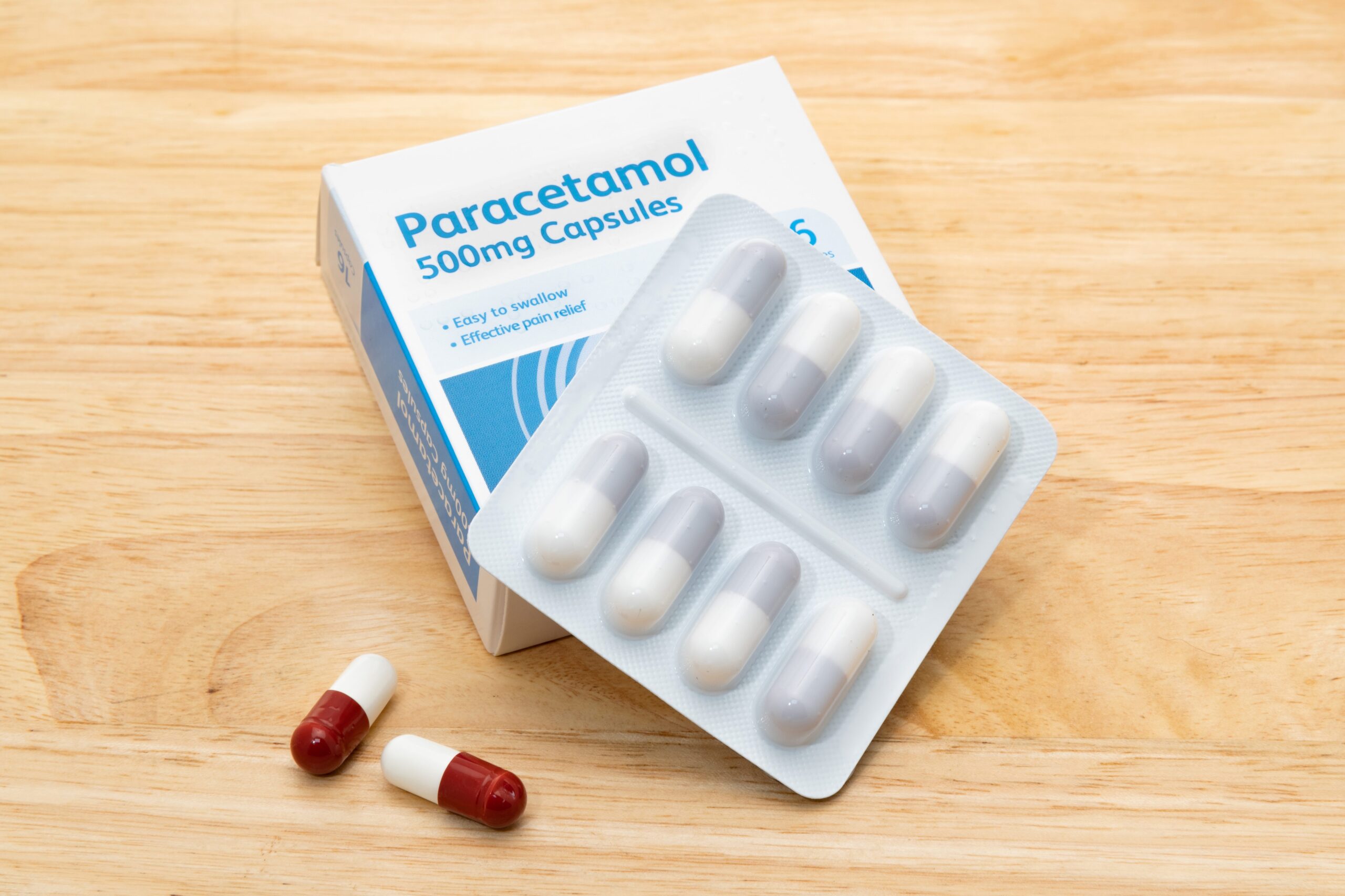
The recent declaration of the US President made a sensation Donald Trump according to which the paracetamol (in the US it is sold as Tylenol and in Italy the most famous brand is Tachipirina) pregnant or in the first months of life it would cause theautism. This statement, however, ignores decades of scientific evidence: there is no evidence in the literature, in fact, of the fact that the paracetamla used in pregnancy is related to the development of autism spectrum disorders or other neurological conditions and learning such as attention deficit disorder and hyperactivity (ADHD). Not surprisingly, the response from the scientific world and by the control and safety bodies of medicines around the world has been immediate and unanimous: Paracetamol is a Safe drug to be taken during pregnancy. Obviously, like all drugs, it should not be taken at random but always according to the indications of the doctor, but high fever and not treated pain during pregnancy are dangerous conditions for the development of the fetus.
What the reference institutions say on the relationship between paracetamol and neurological development disorders
The European Medicinal Agency (EMA), the Italian drug agency (AIFA), the World Health Organization (WHO), the English regulatory agency of medicines (MHRA), the Canadian osterers and gynecologists society (SOCC) are just some of the entities they have The safety of this drug in pregnancy reaffirmedwhen clinically necessary.
Ema, Aifa and numerous other organizations confirm that Paracetamol is safe And it is the first choice pain reliever and antipyretic in pregnancy and breastfeeding. Also a WHO spokesman, Tarik Jasarevicon Trump’s statements, he reiterated at the press conference that “the evidence is inconsistent”.
The British Mhra also recalls the hazard of high fever in pregnancy. As also declared by the Italian Society of Pediatrics, Paracetamol is “the only anti -preliency that can eventually be used since birth”. High fever in children under one year can cause dehydration, hyperthermia And serious neurological damage, as reported by the guidelines of the National Institute for Health and Care Excellence (Nice). In pregnant women, moreover, the use of painkillers other than paracetamol, such as ibuprofen and non -steroidal anti -inflammatory (NSAIDs) is not recommended.
The American Food and Drug Administration (FDA) is an exception, which has issued a press release in which it warns that it will start information campaigns to doctors and changes to the illustrative leaflets of the drugs containing paracetamanla in order to inform a possible association with the development of neurological disorders if used in pregnancy. In the same press release, however, as if to deny itself, the FDA, reiterates that there is no evidence in support of a direct cause-effect correlationand that other drugs, such as non -steroidal anti -inflammatory, are associated with serious risks of the development of the fetus.
The largest study on paracetamol and neurological development
In April 2024 he was published in the renowned magazine Journal of the American Medical Association (Jama) The largest study carried out so far on the relationship between the use of paracetamol in pregnancy and development of neurological disorders and learning. Conducted in Sweden, the study collected data from the huge health archive of the country by analyzing well 2 and a half million children From 1999 to 2019 without finding any evidence that paracetamla in pregnancy causes autism. If it is true that some studies have actually found a correlation between paracetamol and autism, it is equally true that correlations can be spuries: two events can take place at the same time without being the cause of the other.
To verify or deny the presence of any correlation, this study has compared the data from children born from the same parentsone exposed to Paracetamol during pregnancy and the other does not. Being brothers or sisters, these individuals share part of the genome, the education and health conditions of the mother, therefore only the use of the drug could have been the cause of the possible development of a neurological disorder. Also in this case there was no difference with the children not exposed to paracetamol, confirming that There is no cause-effect relationship Between use of paracetamol in pregnancy and development of autism spectrum disorders, ADHD or other neurosviluppo disorders.
Viktor Ahlqvistthe main author of the study, he also explained in an interview with the CNN that we are not witnessing an increase in cases of autism, but simply to a Increase in diagnosesdue to a growth in the attention and awareness of parents and doctors, the improvement of diagnostic tools and the expansion of diagnostic criteria.
The methodological shortcomings of studies that associate paracetamol and autism
Some are also explained in the Swedish study biasi.e. distortions that can confuse the data we analyze and therefore influence results and conclusions research. The studies in which alleged associations were observed between the use of paracetamol in pregnancy and neurological disorders had methodological shortcomings such as a low number of participants e Numerous confusing factors.
For example, the reasons for the intake of paracetamol were not specified: infections, high fever, pain from autoimmune diseases, that is, the ailments for which this drug is used, are in themselves risk factors which influence neurological development. The genetic component of these disorders, nor the intake of other drugs. Furthermore, they did not consider that most women who took paracetamol had health conditions and Pathologies associated with neurosviluppo disorders.
In short, they focused only on the use of paracetamol, without looking at another. And as also declared by Viktor Ahlqvist in the interview with the CNN “It cannot be done Cherry Picking with science “that is, you cannot choose only the data that most confirm our hypothesis.
Sources
