Christmas plays without Jesus: the hypocrisy of inclusiveness
Same story every year, for quite a while now. It becomes boring to even write about it, but it is evidently necessary given the drift that political correctness has taken.
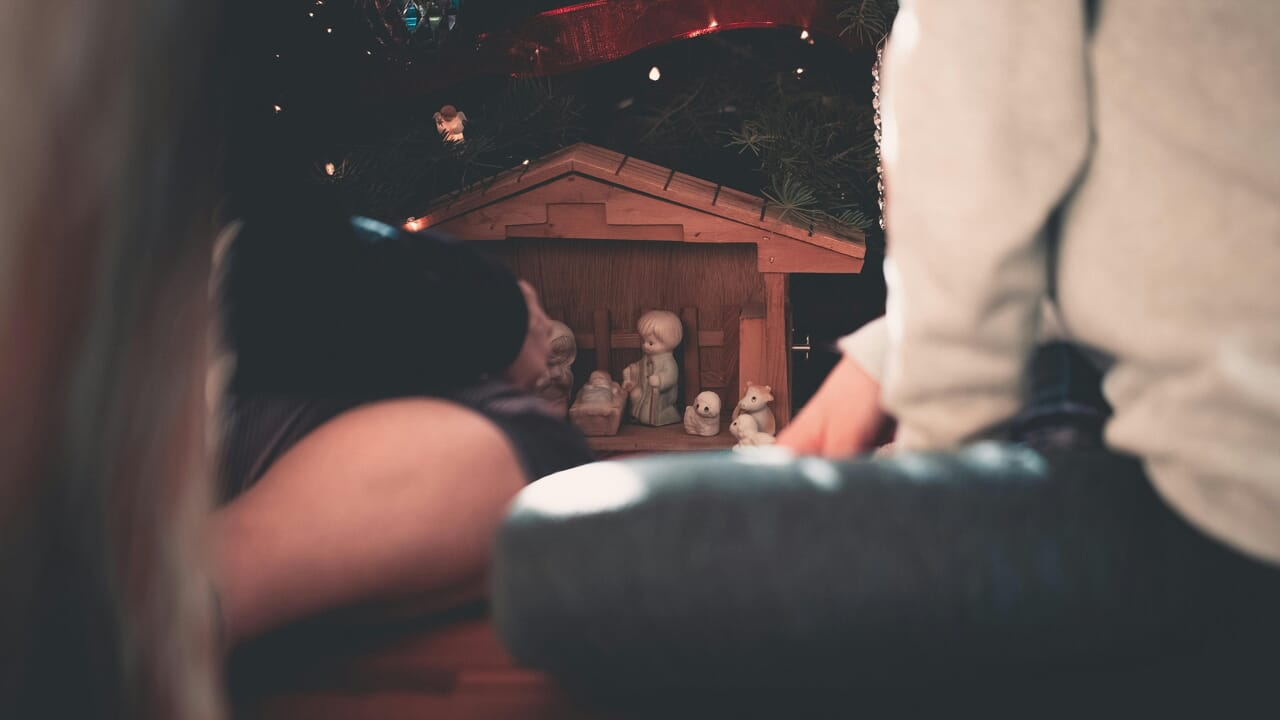
Gender fluid nativity scenes, the Nativity represented with two mothers or two fathers and various reinterpretations. All that was missing was the paradox: Christmas without Jesus. It was given to us by an elementary school in a small Tuscan town, in the province of Grosseto, where some teachers – in the name of the secular nature of the institution and respect for other religions – modified the lyrics of “Din Don Dan”, the Italian version of “Jingle Bells”, replacing the word “Jesus” with a generic “Merry Christmas” which brings gifts. And it’s not an isolated case.
Christmas is not a secular holiday
The great premise to make, or rather to remember, is that Christmas is not a secular holiday, therefore trying to secularize it at all costs is wrong from the start. Leaving aside the structural – and historical – error of eliminating its protagonist from a party, one question remains. Is it really necessary?
Supporters of inclusiveness will answer yes, in the name of important values such as respect and welcome, leaving out others, including the concepts of tradition and roots, recently too often politicized and compared to ideologies of the past, therefore labeled as something to be afraid of.
So let’s keep Christmas, which is beautiful, with its social and economic importance, and its prominent place on the calendar, but let’s empty it of its true meaning. Holidays, gifts, lunches, dinners, elves and Santa Claus are fine, even school plays (as long as they have no religious references), but be careful to consider it for what it is, that is, a fundamental holiday for Christianity. Taking note of this is a pure observation of reality, respect has nothing to do with it. Indeed, it is trampled on the contrary by certain forced antitheses.
An approval that no one asked us for
The barbarians of thought, in agreement with this vision which today even appears ‘conservative’, reduce everything to a demeaning xenophobic assumption, which goes more or less like this: “If they don’t like our traditions, they should return to their own country”. The problem, it goes without saying – or maybe it is – is not this. But above all, it is not ‘them’.
The problem is ours, that we have brought the idea of inclusiveness to exasperation, to the point of changing its connotations, in some cases muffling our roots – undeniably Christian, if we are talking about Christmas -, in others even eradicating them for an approval that no one really asked for, but for which we feel constantly questioned. And even a bit of an asshole, if anything were to be missing, with the shadow of this presumed lack of respect hovering over the collective conscience.
We should learn from the English. None of them would ever dream of questioning their traditions, despite the United Kingdom being the country with the highest growth rate of migration. Yet, so detached and insurmountable, at most we end up calling them snobs and that’s where it ends.
Changing the vision of inclusiveness
What is inclusiveness really if not coming together? If it’s not balance, compromise, as in all relationships. This term that we fill our mouths with – and with which someone, more than someone else, fills us with spaces of opinion and political agendas – does not only concern a majority versus a minority.
Inclusivity is when hospitality meets adaptation, without anyone having to be distorted or feel in any way offended or threatened. Only in this way will a Christmas play remain a Christmas play, not a hypocritical fetish.
