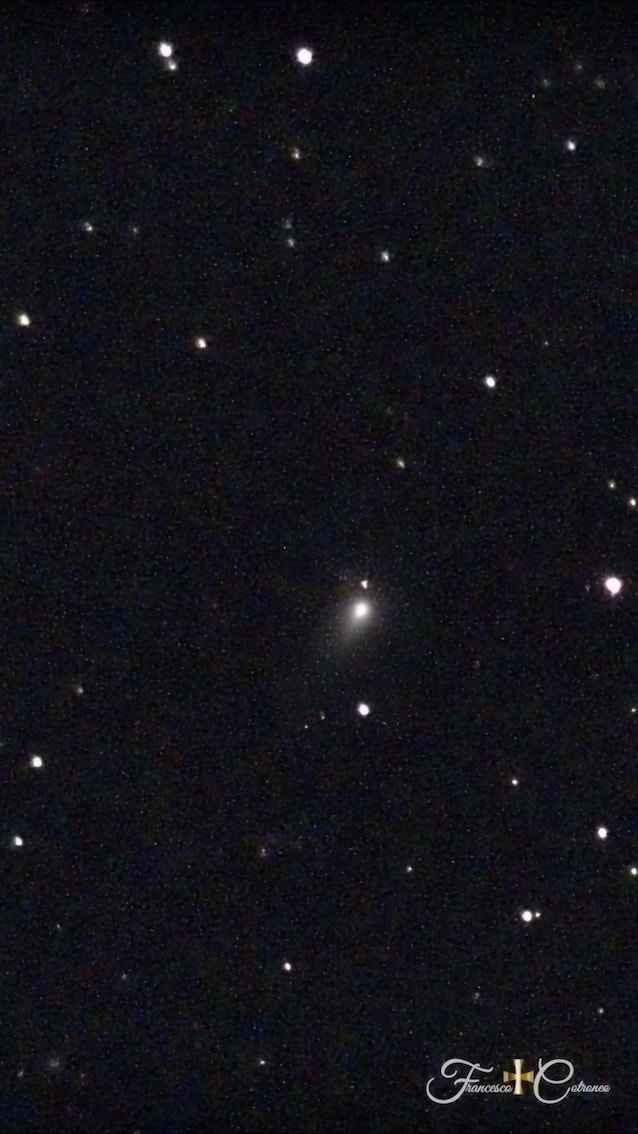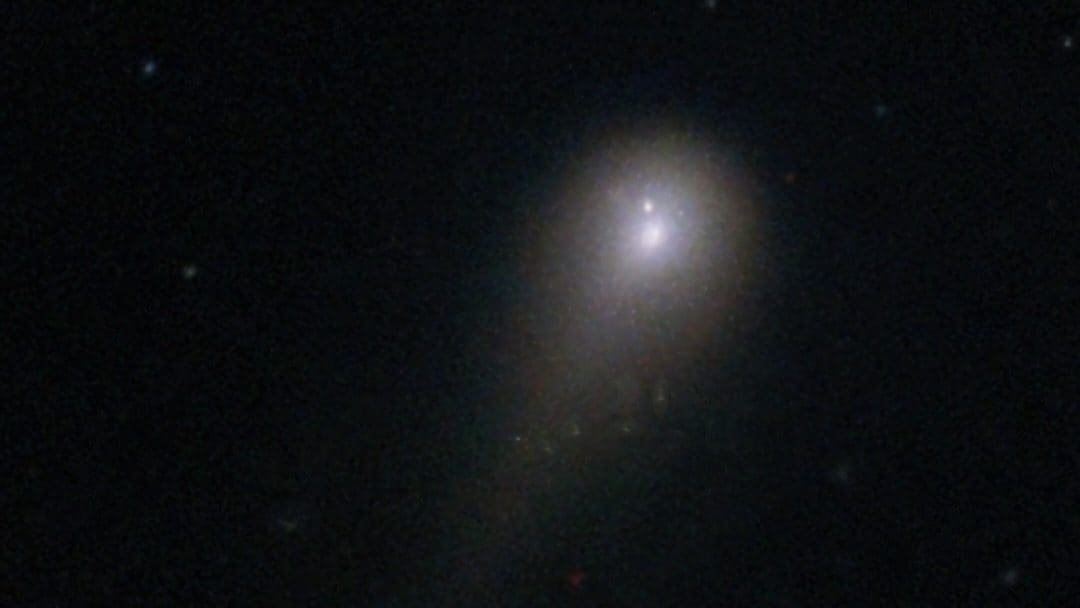
There comet 3I/ATLASthe third “interstellar visitor” discovered to transit our Solar System after the asteroid Oumuamua and the comet Borisovis not only a celestial body of extreme interest for astronomers all over the world: it has now become one of the most discussed scientific topics of this 2025 thanks to the “theories” that describe it as a possible extraterrestrial technological object (definitely denied by NASA and the entire scientific community), but for amateur astronomers and enthusiasts it remains above all a spectacle to be observed in the sky with telescopes and cameras, especially in these days in which the comet has just passed the point of maximum proximity to the Earth on December 19, so it will never be this close to our planet again.
3I/ATLAS is visible these nights also from Italy, and here we see some spectacular images of Francesco Cotroneo. The comet was imaged last night from Ranco, in the province of Varese, on the shores of Lake Maggiore. Cotroneo used two telescopes to capture different facets of the comet: a 114/450 telescope to frame the object in its context, and a more powerful 200/2000pushed to the limit by one 3x Barlow lensto try to grasp the finest details of the nucleus and the coma.
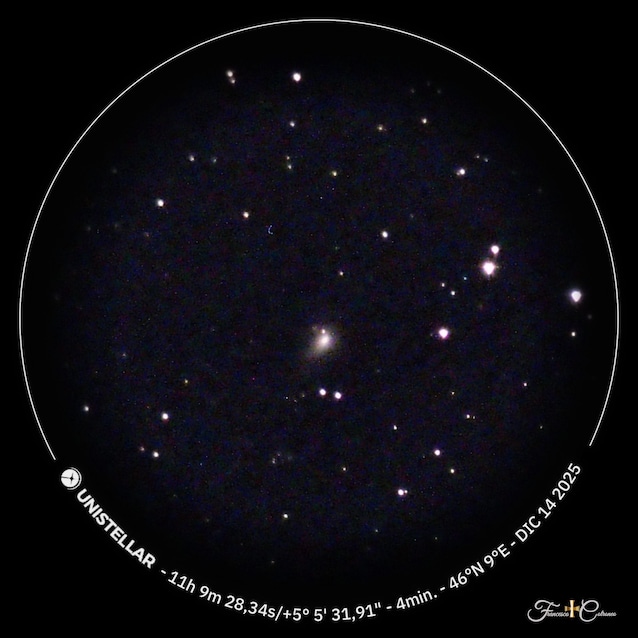
«It is a rare and very interesting astronomical phenomenon, which I wanted to document from our territory to also enhance the quality of the sky and the observation opportunities», observes Cotroneo.
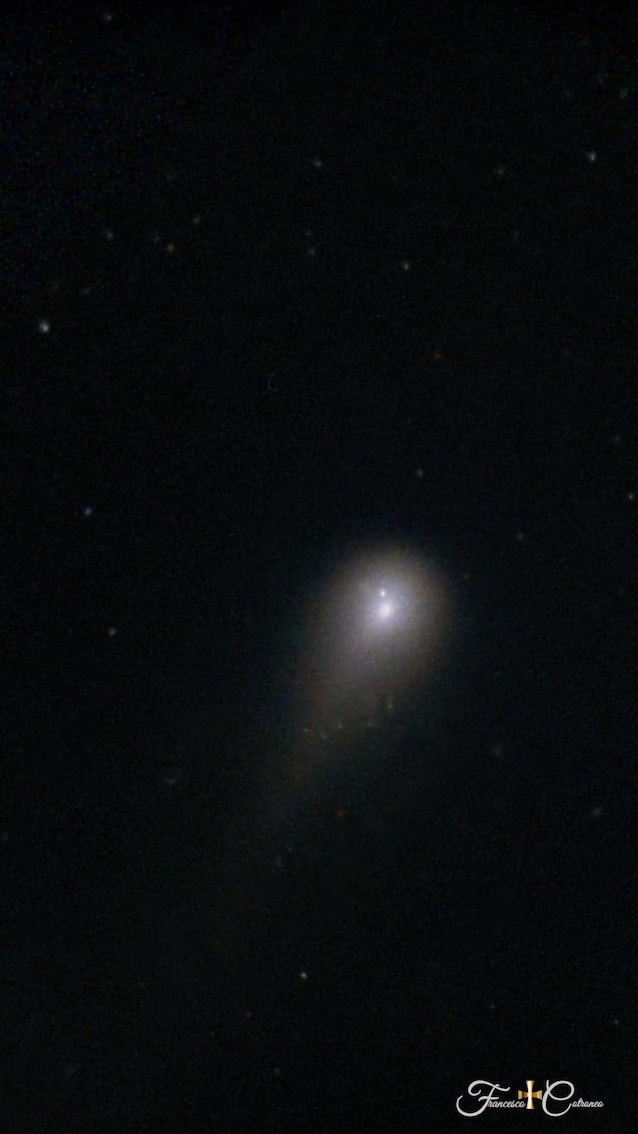
Images like these of a celestial body so anomalous and rich in information about a star system distant in space and time are also important because 3I/ATLAS is a temporary visitor: the comet is not in orbit around the Sun but speeds quickly through the Solar System, moving away never to return. Precisely for this reason the International Asteroid Warning Network (a collaboration coordinated by NASA for planetary defense) has started a massive observation campaign of this interstellar comet which will end on January 27: the objective is to capture as much information as possible on this incredible interstellar comet.