De Gregori’s songs are the last shared heritage that we have left
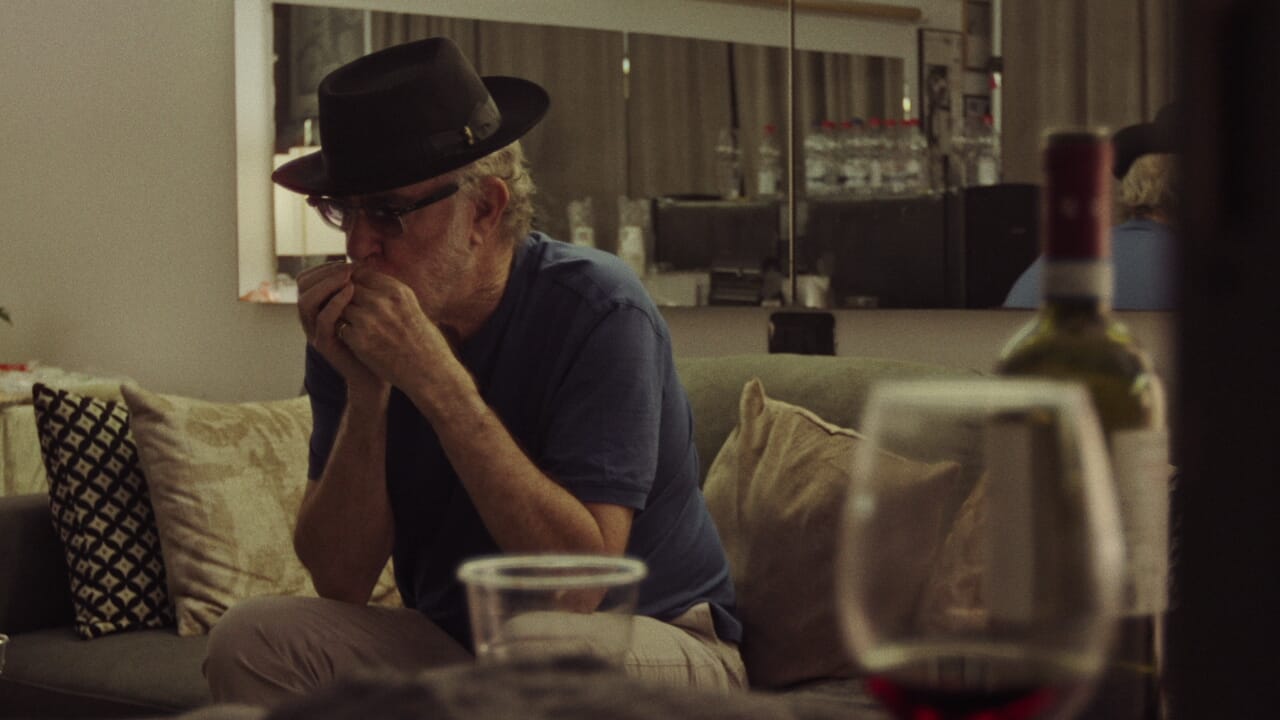
A sparse direction, a discreet story, a camera that sometimes influences the dressing room and transmits, seriously, the impression of stolen images. Between tests and shows, “between stage and reality”. Little else. There is not much to see in the low half and a half of NevergreenStefano Pistolini’s documentary on Francesco De Gregoripresented in Venice and the cinema, from special event, until 18 September. There are only the songs of the prince, not even the famous: Nevergreenin fact, like the many self -styled pieces of his discography, which last autumn performed for twenty evenings in a row – but each appointment had a different ladder, the repertoire is endless – at the Out/Off Theater in Milan and that on the screen guns immortalized among live, stage recordings, backstage, also interviewing the dozens of guests who went to find it to duet. There is no Rimmelneither The cannon womannor any other success of the house – even if then, as it is obvious, here and there he played them, but it clearly directed the cuts, they are not the point. There is nothing cool, here. Still, this is precisely the beauty.
In the belly of a concert
Let’s put it this way: making a concert every different evening, in a tiny theater, with a few hundred people, means returning to the very essence of music. And De Gregori, who in 2019 had tried an experiment similar to Rome (but at the time, probably, he was not yet in Odor of holiness like today, and he had spoken before), he is one who is not afraid to get his hands dirty, as the infinite tours everywhere have shown in recent years, including squares, with a view of profession. Here, here you have the feeling of being, really, on stage, but above all you can see how a genius works, because this is about this. Spceie behind the scenes, when gradually find Ligabue, Zucchero (which has a beautiful anecdote, although a little chopped, on the birth of Diamond), Jovanotti himself, Malika Ayane. The duet is preparing on the fly, almost suddenly, the afternoon before going on stage: naturalness and spontaneity involving sacred monsters of pop, which they are seen closely are much more flexible and natural than you see them, usually, on the large stages, more plaster – and the merit, here, is of the Out/Off Theater.
False movement, Salò’s chef, Two gypsiesbut also the same Diamond or the Italian covers of the pieces of his myth, Bob Dylan, taken from the album Love and theft (2016). The titles in question, who listen to everyone live in Nevergreendo not steal the eye, but it is difficult to think that anyone who has heard a minimum of Italian music of the last, we are twenty years old, well, does not know them. And it is a merit, in the sense that only De Gregori, for the quality and in some way the impact of his repertoire, can afford a show and above all a documentary like that, very useful in describing the behind the scenes of a unique concert, but even better in warning, above all, the strength of minor songs.
Only he can afford it
Because on his music there is a very special cult, with us. They have admirers everywhere, for years we have been interrogating us on the meaning of this or that passage, even minors, are made of it covers and tributes at all levels. Gianni Mura, among the many, said: “If they asked me what the best I would be undecided between 6 or 7 titles, all of his though”. On the Corpus Degregoriano There is a study – popular and in part profane, but no less true, rather – that has no equal. And I also his less famous pieces, as indeed it is to demonstrate Nevergreenthey are like relics: they have a class, in their own way, a thickness, a literary value (among the great issues, there is what they would be “poems” or not, always sent back to the sender by the prince), to be studied. If De André’s words, in some ways, for Italian music are a bit like those of Homer for literature, in short, the great beginning of everything, those of De Gregori are comparable to Dante: far from the fanaticism with which Faber himself recalls, certainly less elusive and alien than a Battisti or a battiato, however even less popular than the various, Guccini and Venditti, here, the songs. Gregori are the best that Italy and Italian, understood just as language and culture, have to offer, at the same time it is noble and strictly representative. Would you throw Dante’s “minor” texts? Here, in fact, Nevergreen.
