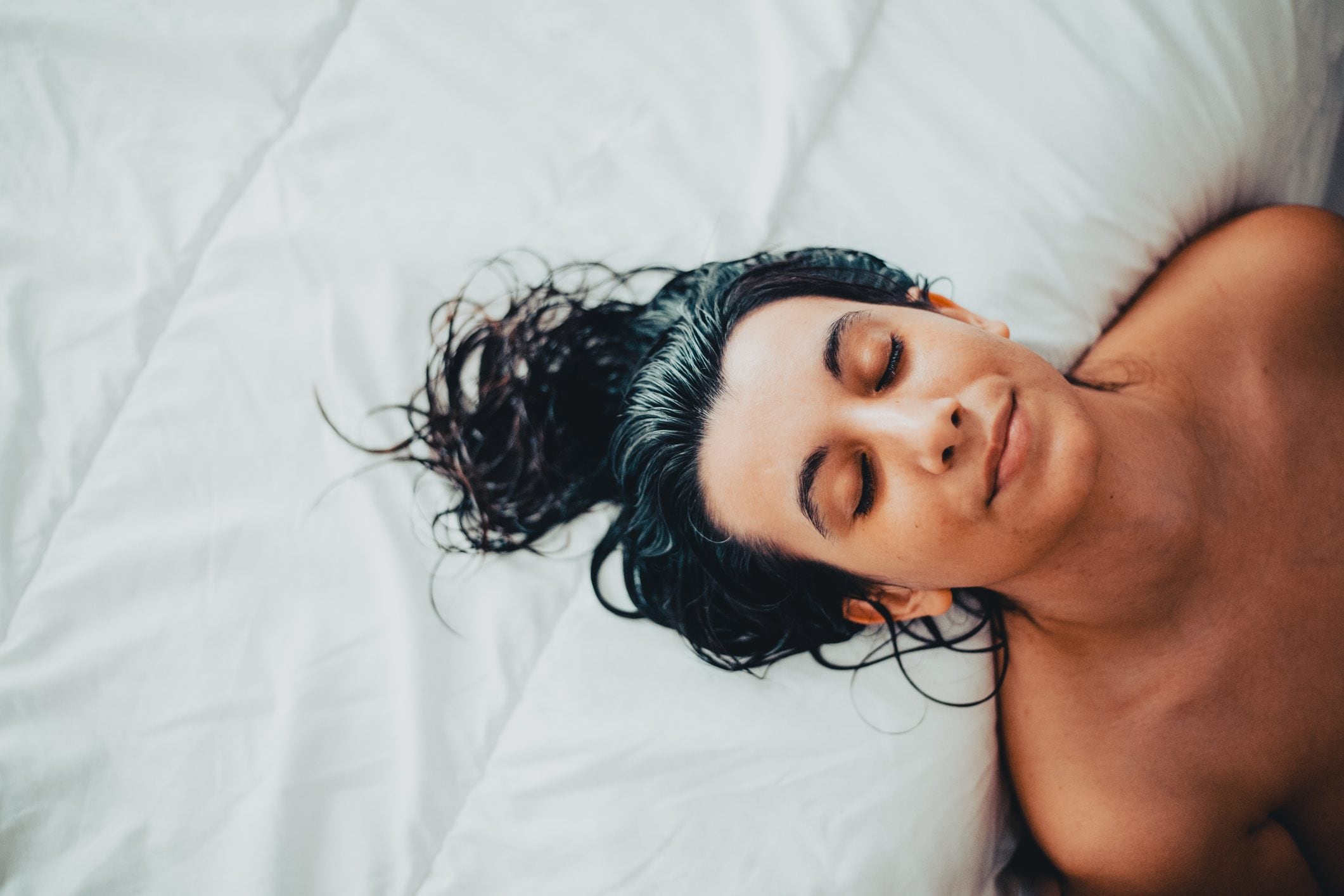
Going to sleep with wet hair it does not cause colds: this common belief has no scientific support, given that a cold is an infection caused by virus flu and paraflu, and does not find causes in going to bed with a damp head or in general with the cold, as also confirmed by the Istituto Superiore di Sanità (ISS). However, sleeping without drying your hair could create a microenvironment warm and humid on the pillow, which favors the proliferation of microorganisms such as fungus Malassezia, responsible for irritation and flaking of the scalp. According to the Cleveland Clinic, one of the best hospitals and research centers in the world, sleeping with wet hair can represent a problem for the integrity of our hair: when wet, in fact, the hair appears more fragile and prone to breakage due to friction with the pillow as we move in bed.
Going to bed with wet hair does not cause a cold
According to a popular belief, going to sleep with wet hair can encourage the onset of a cold. However, snooping through medical-scientific research and other authoritative sources, this alleged link never comes to light, why?
The term “cold” indicates an acute viral infection, caused by over 200 types of viruses, including rhinovirus they adenovirus: falling asleep without drying your hair cannot, in any way, allow one of these viruses to penetrate into our body. Of course, wet hair can cause a feeling of cold, but as the Istituto Superiore di Sanità also reminds us, exposure to low temperatures is not a direct cause of colds, although its name can be misleading (deriving in fact from the verb “to cool”).
What happens if we do this: humidity and microenvironment on the pillow
They teach us this from elementary school: where there is water, there is life. If we go to sleep with wet hair, the humidity retained on the pillow combines with body heat and poor ventilation, generating a microenvironment favorable to the proliferation of opportunistic microorganismssuch as fungi or bacteria. The term “opportunist” in biology indicates those microorganisms that normally coexist with us without creating problems, but which can proliferate when environmental conditions become favorable. A warm, moist pillow represents a real fertile soil for these life forms, which will multiply more rapidly. These are not alarming scenarios in most cases, but an alteration of the microbial balance which, if prolonged over time, can become annoying.
In an article reported by the Cleveland Clinic, an American medical and research center, it is highlighted that among the microorganisms that can multiply on a damp pillow there is a fungus known as Malassezianaturally present on the scalp, but which in excess can contribute to the onset of seborrheic dermatitisattributable to irritation, itching and desquamation of the skin.
Hair can get damaged more easily
Again according to what is reported on the Cleveland Clinic website, sleeping with wet hair could increase the probability of breaking and ruining them. When they are damp, in fact, the hair absorbs water and becomes temporarily more fragile: during the night, the continuous movements of the head on the pillow generate friction and, if the hair shaft is already weakened, these stresses can more easily result in breakage, split ends or a frizzier appearance when you wake up.
To reduce this problem, clinic specialists recommend using pillowcases silk or in satinwhich generally have a smoother surface, offer less resistance to the sliding of the hair, minimizing friction, which translates into less mechanical stress and, in the long term, less likelihood that the hair will be damaged. Or, to cut the bull’s head, it is best to dry your hair well before going to bed!
