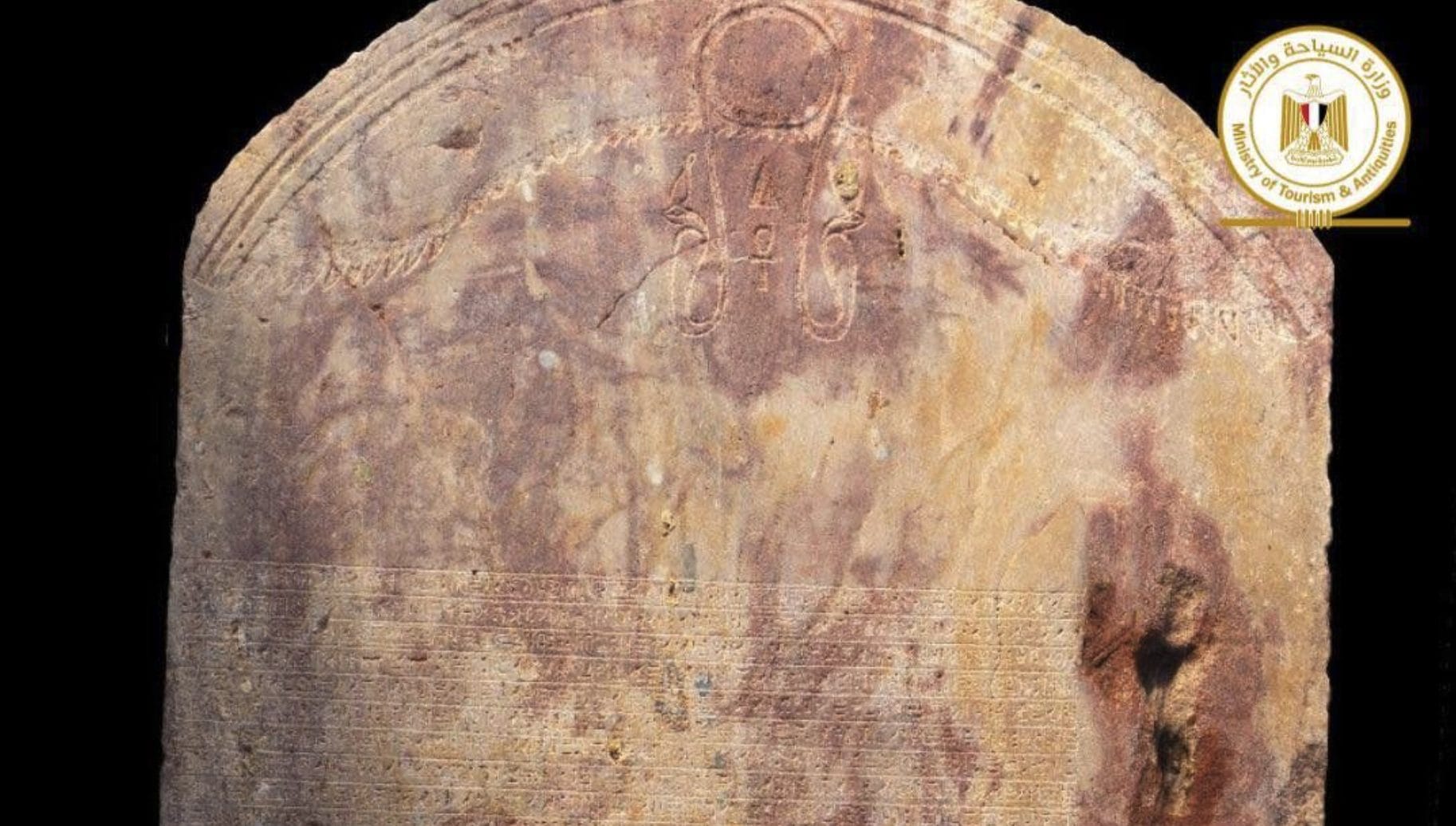
The Egyptian Minister of Tourism and Antiquity, Sherif Fathyannounced the discovery of A new version of the Canopo decreeone of the most important documents for the deciphering of the hieroglyphicssecond in importance only to Rosetta stele. The stele, 127 cm high and just over 80 cm wide, was made on the archaeological site of Tell El Farainto Al Husseiniya, in the Governorate of Sharqiya in the region of the Nile delta. The site corresponds to the ancient city of Imet. The excavation was organized by the supreme council of antiquities.
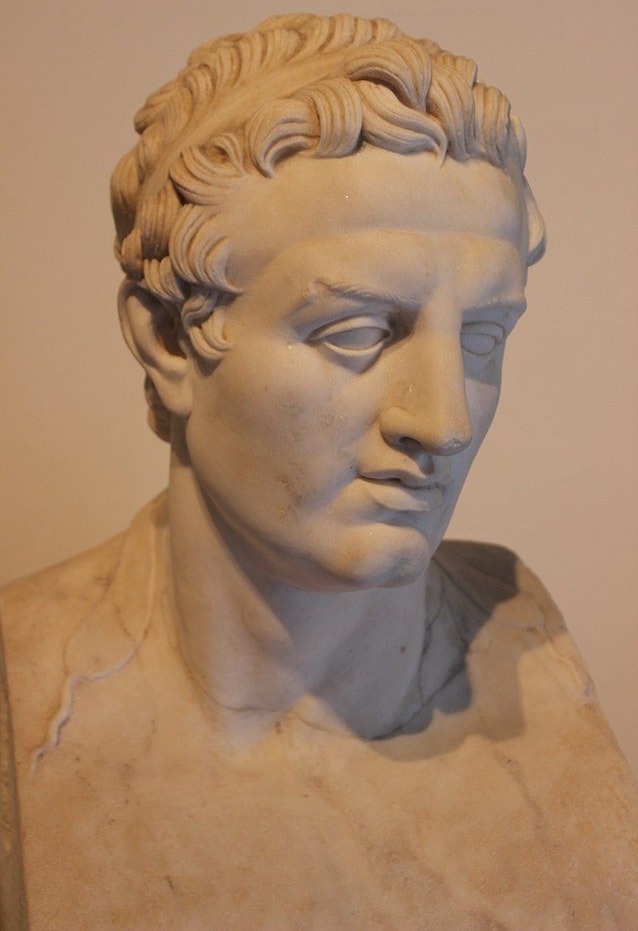
The Canopo decree is a text of the 238 BCmade at the time of the dynasty of Ptolemy. It owes its name to a meeting of the priests in the City of CanopoToday submerged In the Abukir bay, near Alexandria. The Ptolemy were the Last pharaohs of Egypta dynasty of origin Macedonianwhose progenitor was Ptolemyone of the generals of Alessandro Magno. It is a exaltation of the dynasty and the royal family, in which the successes of the pharaoh are listed Tolomeo III (246-222 A. C.) and various economic, administrative and religious measures are made public, as well as the adoption of a new one reformed calendarstill in use at the Coptic Church of Egypt and called “Alexandrian calendar”.
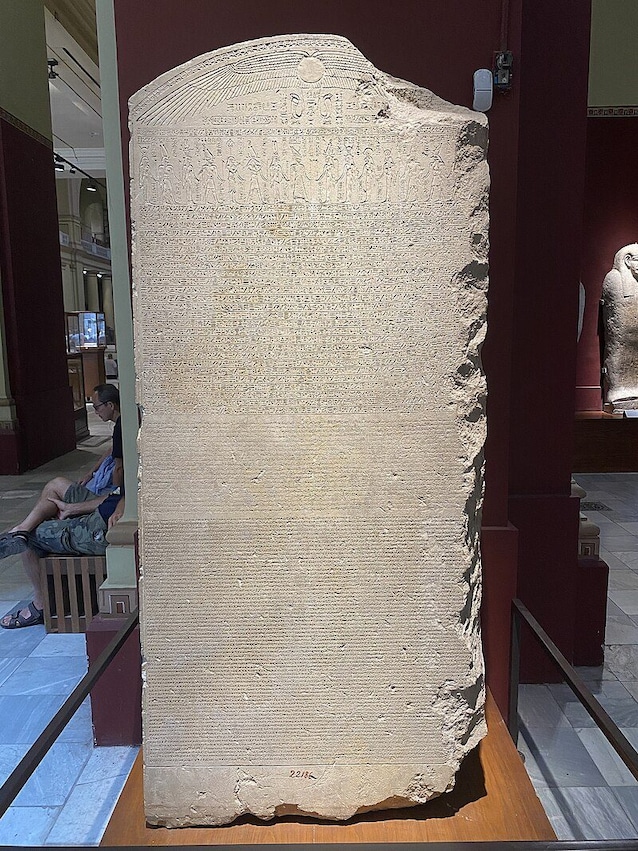
The importance of the Canopo decree in the history of the deciphering of the hieroglyphics is enormous. The decree was in fact published in an edition bilingual (Egyptian and Greek) but with Three different writing systems: in Egyptian hieroglyphicin Egyptian demotic (a simpler and more “popular” system than the hieroglyphic one) and in Greek. As in the case of Rosetta’s stele, Egyptologists, using the Greek text, managed to decipher both the demotic and the hieroglyphic part. The decree is well known to scholars, given the discovery of six copies of the document.
The stele found in Tell El Farain, decorated with the iconography of Solar disk and the two cobrasis in sandstone, 127 cm x 83 cm. However, this has something different than the six registrations already known. In fact, the text is in an unpublished version and much better preserved than those known so far, and also does not have a bilingual versionbut only in Egyptian and in hieroglyphic writing. The choice not to include a Greek version probably indicates the intention of contacting an audience still relatively distant from the Greeking process that Egypt Ptolemaic was undergoing at the time.
