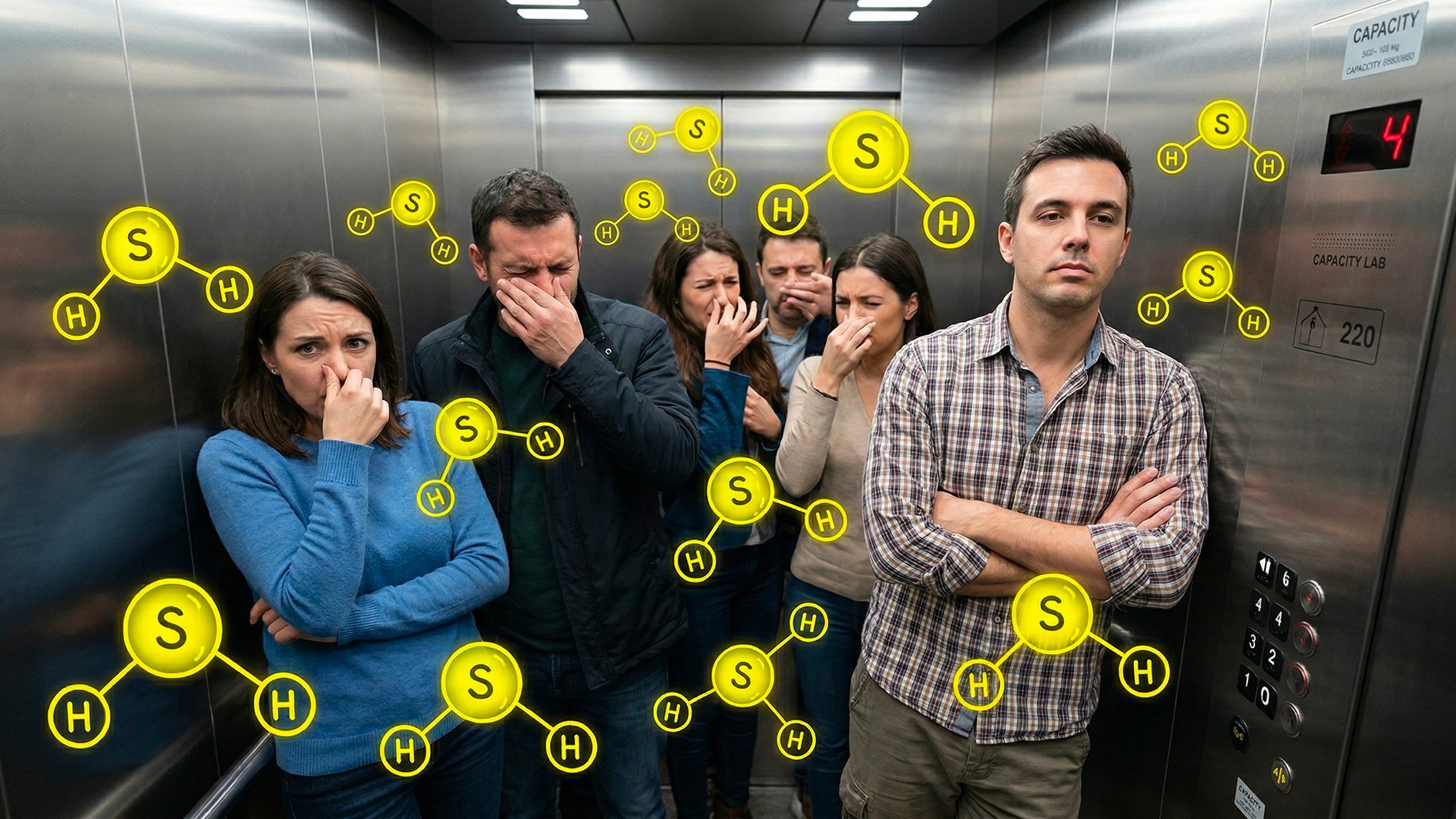
Everyone does them, no one claims them. But the flatulencethe scientific term to refer to the most common fartsfarts or farts, are much more than an embarrassing moment: they are the result of a studied and measured biological process. According to the Cleveland Clinic, the average person can pass approximately intestinal gas 25 times a dayoften without even realizing it. Despite the social embarrassment that surrounds it, flatulence is a normal physiological processindicate that the intestine is working and that the microbiota – the set of bacteria that live in the organism – is active and produces gases such as carbon dioxide, methane and hydrogen sulphide.
The causes of intestinal gas
Flatulence is simply the discharge of gas accumulated in the digestive tract through the rectum. Gas is formed in two main ways. The first is the digestion of food: As the gut breaks down what we eat, i bacteria present in the colon ferment the substances not yet digested – in particular the fibers – producing hydrogen, carbon dioxide, methane and other gases. The second way is much more trivial, we swallow air continuously. Every time we speak, chew or drink, we swallow small amounts of air. Most date back as belchingbut some of it goes down into the intestine and finds another way out.
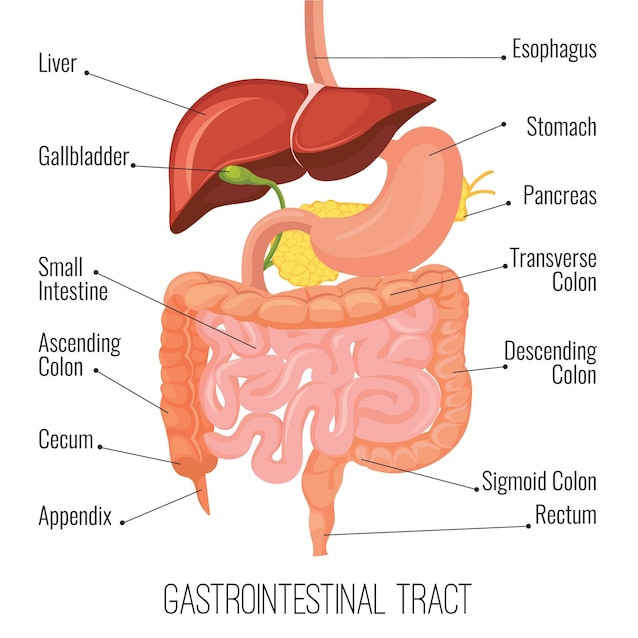
As explained by theNHS (British National Health Service), the quantity of gas produced varies greatly from person to person and depends above all on the diet. Some foods are known gas “producers” such as legumes, cabbage, broccoli, onions, dried fruit, carbonated drinks and foods containing sweeteners such as sorbitola substance that the intestine cannot completely absorb and which becomes an ideal substrate for bacterial fermentation.
Being a physiological process, it should not be scary and it only makes sense to worry when the frequency increases abnormally (bloating) or when it is associated with abdominal pain or swelling or diarrhoea. In these cases, as recommended by the Istituto Superiore di Sanità (ISS), it is advisable to consult a doctor.
Why flatulence stinks (not all) according to the Cleveland Clinic
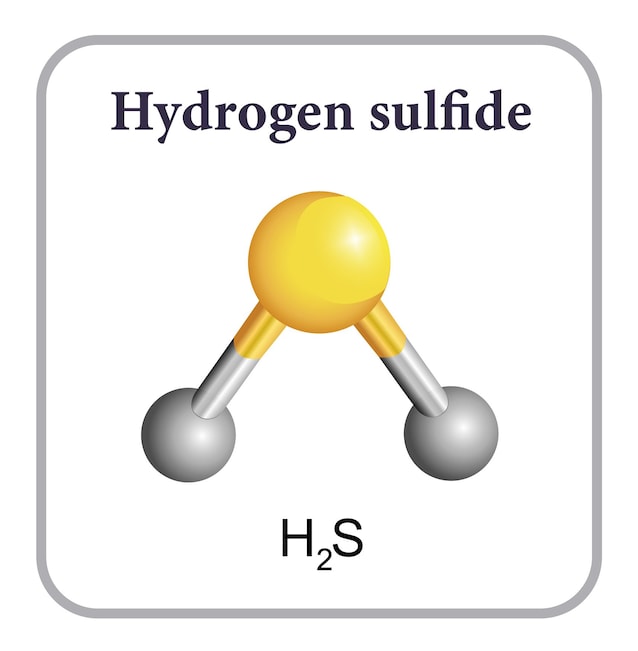
How many embarrassing moments has this phenomenon created for you? The answer lies in chemical composition of the gas. The vast majority of intestinal gas is practically odorless (99%). The problem comes with a tiny fraction, about1%, but lethal: i sulfur compoundsespecially the hydrogen sulfide (H₂S) or hydrogen sulfidethe same gas that gives the characteristic smell of rotten eggs.
As reported by the gastroenterologist Christine Lee from the Cleveland Clinicfoods rich in sulfur are mainly responsible for smelly farts. These include cruciferous vegetables, such as Brussels sprouts and cabbage, but also eggs, garlic, onion, meat and alcohol.
The intestinal microbiota it then plays an equally important role given that the bacterial composition varies from person to person, and some bacteria naturally produce more odorous compounds than others. This explains why, given the same diet, some people’s flatulence is more pungent than others.
Sources
Cleveland Clinic Cleveland Clinic Santiago Botasini, David Zhan, Norman Fischer, Charlotte T. Ravel, Ashley Tien, Maggie R. Grant, Glory Minabou Ndjite, Ty Sopko, Holly Childs, Maryann Greenfield, Christina Nakati C. Sany, Margaret Slavin, Brantley Hall, Smart underwear: A novel wearable for long-term monitoring of gut microbial gas production via flatus, Biosensors and Bioelectronics: X, Volume 27, 2025, ISS NHS University of Newcastle Mayo Clinic
