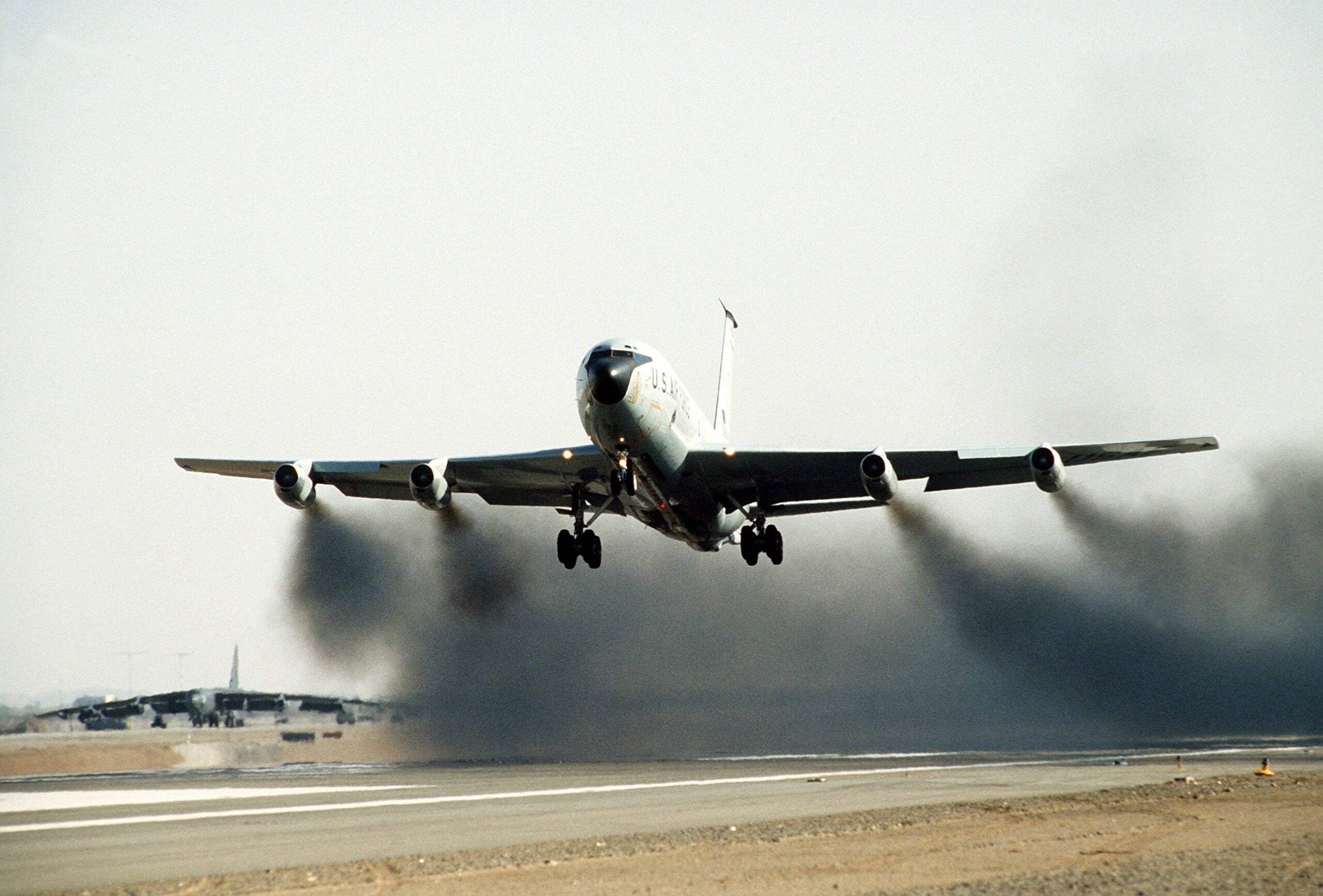
The environmental regulationsin Europe and in the world, place increasingly stringent limits to Consumption and emissions of carsbringing manufacturers to look for methods to improve the performance of our cars. Sometimes these methods are true innovations, but sometimes the solutions can be found looking at the pastin different sectors. A technology, already used by some producers, is thewater injection in the engine: the idea, already used during the Second World War in several engines for airplanesallows you to lower the temperature of the combustion chamber, Especially during the most heavy use, that is, when the engine is stronger more, avoiding the uncontrolled ignition of fuel and allowing you to achieve greater pressure and regimes, thus obtaining more power. The injection of water also allows, thanks to the lower temperatures, of reduce the amount of harmful emissions, such as carbon monoxide and nitrogen oxides (nox), among the major pollutants Present in Italian and European urban and industrial areas: also for this reason, this technology arouses strong interest. Nonetheless, the greater complexity and related costs, Together with non -bright results in the use of more normal and “road” gaits, unlike the speeds reached in planes, they brake development of systems in cars intended for the general public.
History of the first developments in the skies of Europe in war
The first uses in series of water injection systems, or more often Water/methanol mixtures (the simplest alcohol, ch3Oh), they appeared in aeronautical fieldespecially in fast engines huntingalready during the Second World War. Both the Nazi Germany and the allies began to use this solution to gain maximum power e improvein general, performance and reliability of their engines.
Especially at altitude, where The rarer air exchanges less heat With the hottest parts of the vehicle, which therefore tend to overheat, it is important Lower the internal engine temperature. In four -stroke vehicles such as petrol engines, fuel is normally burned by a spark generated by the candle: if the engine is too hothowever, the air/fuel mixture can Back fire earlier than expected and in different areas of the combustion chamber, causing serious damage To the various internal components (we speak in these cases of “beat in the lead”).
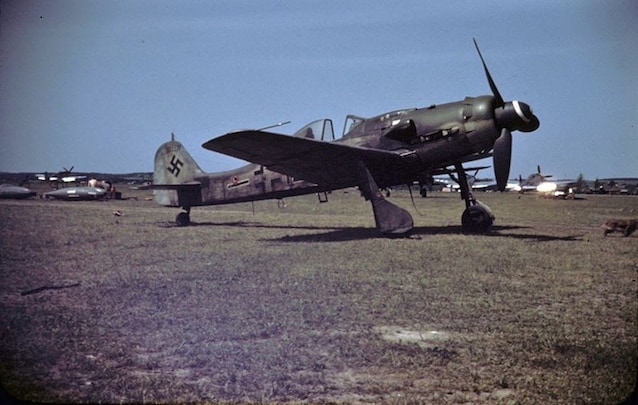
Introducing waterfall in the combustion chamber, the latter evaporate quickly absorbing a large amount of energy (heat) e thus cooling the inside of the engine: Once evaporated, the expansion of steam gas adds pressure to the combustive gases. Hunt like German Focke FW190 or the American Thunderbolt P47D, they already exceeded, in the 1940s, i 2000 horses Thanks to the water/methanol mixture injections: an increase in power that could be fundamental, during high altitude fights.
The rediscovery of the injection of water and its disadvantages
In recent decades, some automotive producers have resumed the idea of the injection of water or watery mixtures within the engine: some of these experiments have become Products available on the marketas in the case of System developed by Bosch in 2016 And mounted for the first time for a street sports car: the BMW M4 GTS.
Thanks to the water injectedthe vehicle control unit can Avoid sending excess fuel Normally used for engine cooling: the manufacturer declares a Fuel saving up to 13% duringmore “sporty” use of the car.
The smaller temperatures help to obtain a more “clean” combustion: several studies indicate one decrease in carbon monoxide by 40% and nitrogen oxides (monoxide, no and nitrogen dioxide, no2generally indicated how notx) Between 40 and 50% in petrol enginesand even up to 85% compared to diesel engines (if used in combination with the recirculating systems of combusts gas, called EGR).
Despite this, injection systems are Another rarity intended for high -end cars: it is certainly the diffusion that stops its diffusion complexity and cost of systemsbut also the increase in Risk of corrosion in plants and discharges due to the greater presence of water and steam.
Sources:
