
In the pantry of most of us there is never a shortage of: a jar of pesto ready to use, convenient and practical for seasoning pasta.
But how is a jar of pesto produced?
In this video we show you the agricultural and industrial work what’s behind it thanks to the farms that gave us access to the fields and to Barilla who opened the doors of its establishment: we will therefore see a path that begins in basil fields and ends with the pesto packaging.
The cultivation and harvesting of basil: what happens in the fields
Basil is one delicate plant which must be handled with care. There sowing usually happens ad April and the collections follow one another from May until September.
Precisely because of this fragility, they are selected every year the best seeds in terms of robustness and quality.
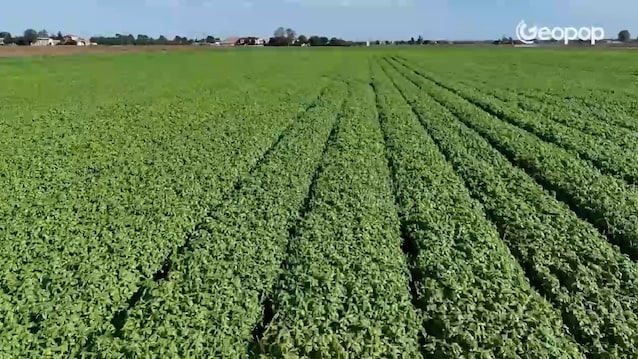
But it didn’t end here. Farmers use different advanced and automated techniques not only for irrigation, but also and above all to prevent any attacks by parasites, which you can see in detail in the video.
Specifically, in the fields we visited, alpine agriculture is promoted 100% sustainable. The particular care that is used in the basil supply chain follows the guidelines of the so-called Basil Charter, i.e. a set of agronomic rules, drawn up in collaboration with scientific partners such as CERSAA (Centre for Agricultural Research and Experimentation of Albenga) and the University of Bologna, designed to obtain quality basil and at the same time to protect biodiversity.
How jarred pesto is prepared: the work of industrial plants
After the visit to the fields, we move on to the industrial plantswhich are located a few kilometers from the fields, in the province of Parma. This proximity is important: a few hours must pass from when the basil is harvested until it is placed in the jar, to preserve aroma, color and organoleptic properties.
In the video you will see the mega mixer called in technical jargon mixerwhere basil is combined with parmesan grated on the spot, the oil, cashews and all the other ingredients that contribute to the desired creaminess, flavor and texture.
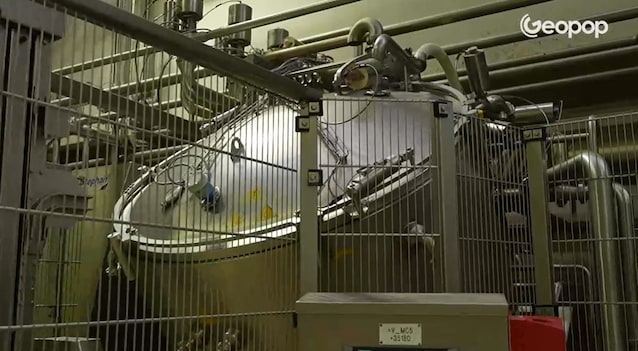
And finally, a last step before packaging: fresh pesto would perish within a few days. For this, long-life pesto is subjected to pasteurization in two steps, which serves to avoid the proliferation of bacteria in the jars. Here the product is subjected to high temperatures for a controlled period of time, taking care to preserve the characteristics of the raw materials.
The pesto is thus placed in the jars that we find in supermarkets!
