Over some archaeological excavations to Cordobain the Spain southern, archaeologists have found a very particular context, almost certainly linked to a war episode which occurred approximately 2200 years ago. Among the materials present there was also a leg bone of an elephantwhose presence could represent the first archaeological evidence of the use of these animals in warso far reported only from literary and iconographic sources.
The study, published in the Journal of Archaeological Science and still in its preliminary phase, was conducted by a group made up of researchers from the universities of Cordoba, the Autonomous University of Madrid, Leiden (the Netherlands) and the archaeologists of the company that conducted the preventive excavation. This took place in 2020 in the location Colina de los Quemadosnear the ancient Andalusian city of Cordoba Corduba. It was a settlement multi-layeredwhich saw various phases of occupation, from the end of the Bronze Age (10th century BC) to the medieval Islamic period.
During the research on levels of destruction of the settlement, dated to late Iron Age (4th-3rd century BC), archaeologists have found various objects attributable to a war episode. It’s about a dozen stone projectiles for thrown siege weapons, one tip for a scorpion dart (another ancient artillery weapon), fibulae and ceramics dating back to the end of the 3rd century. to. C., and one currency coined a Carthago Nova (modern Cartagena) between 237 and 206 BC. C. In association with these materials, a very particular bone was also found.
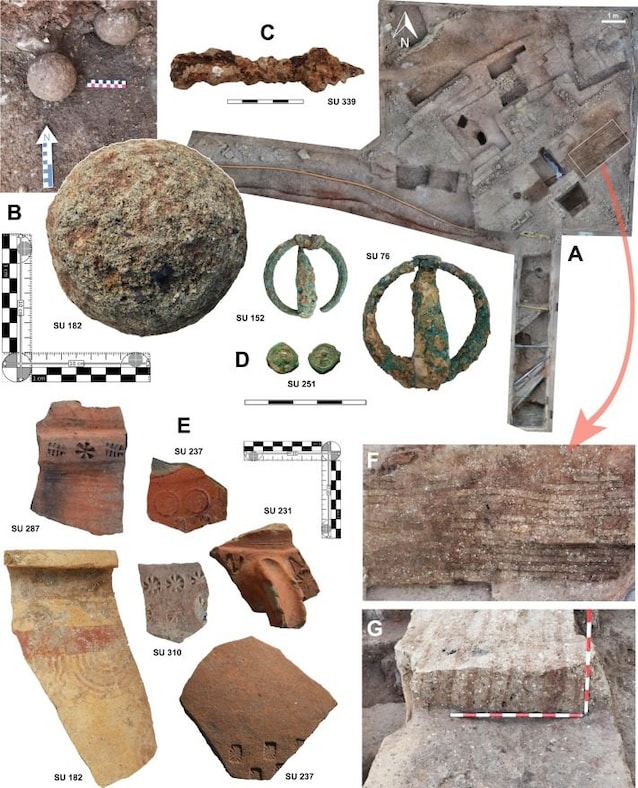
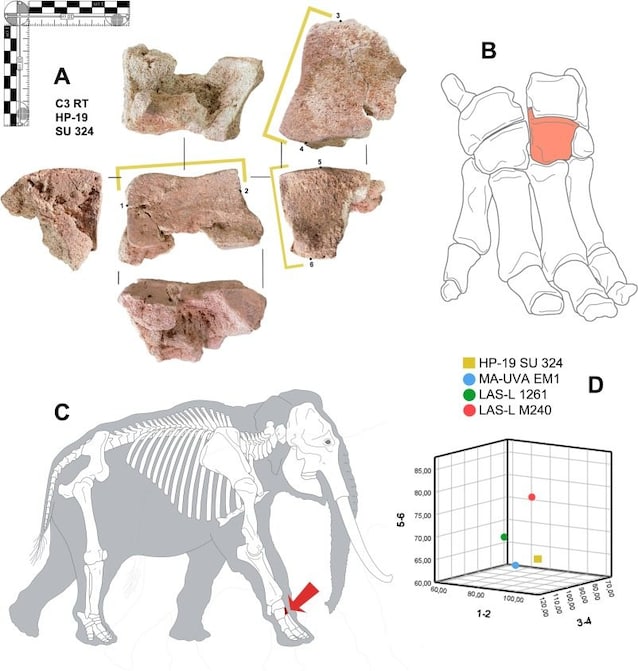
This bone, approximately cubic shapemeasures 10 cm in length, and by type and size it found no comparisons with other faunal remains found during the excavation at Colina de los Quemados. Upon further analysis, this bone was found to be the right third carpal of a large adult elephantone of the bones that make up the legs. The discovery of elephant bones in European archaeological contexts is very rareexcept for valuable objects made of ivory. The presence of this bone is therefore most likely related to the presence on the site of an animal species belonging to the elephant family. It was possible to extract a sample from the bone which was subjected to analysis radiocarbonwhich returned a consistent dating with that of the materials found in association, i.e. the 4th-3rd century to. C.
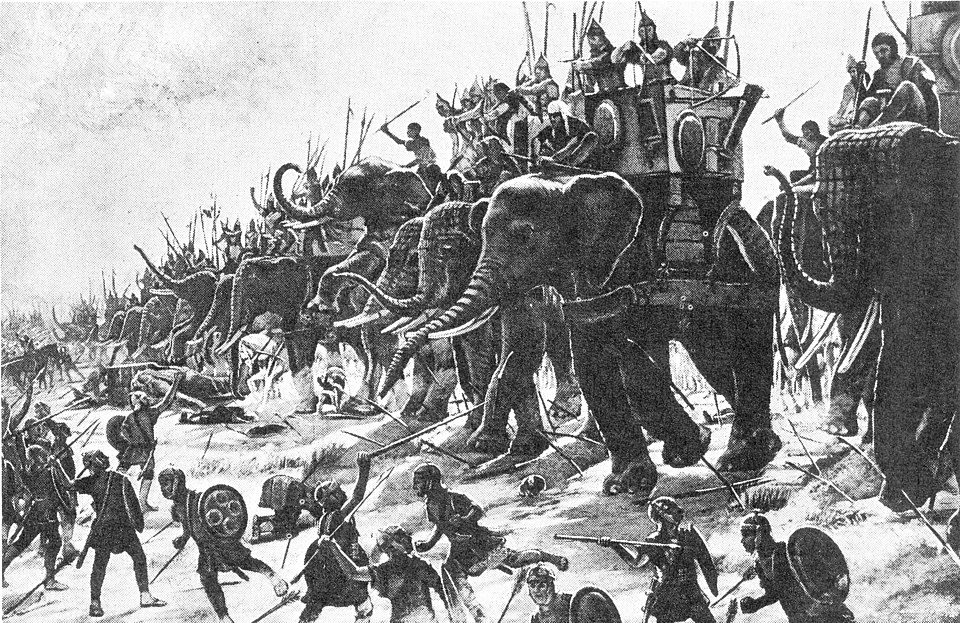
Literary and iconographic sources abound depictions of the use of elephants in warfare by several ancient armies. These animals were confronted by Macedonians Of Alexander the Great during his campaign in the north-west ofIndiaand were subsequently employed by Seleucidsgive it Epirotes and come on Carthaginians In the 3rd century to. C. Considering the location of the discovery and the chronological data put together by Spanish archaeologists, such as radiocarbon analysis, ceramics, and coins, the animal to which the bone found in Colina de los Quemados belonged died at the end of the 3rd century. to. C.
In that period theCarthaginian army was engaged in Spain first against the native populations of Iberians (237-219 BC) and subsequently in Second Punic War (218-202 BC) with the famous Elephant march across the Alps conducted by Hannibal. In particular, the chronological data collected so far, compatible with the level of destruction of the Colina de los Quemados settlement, are comparable with the period between 208 and 206 BC. C.when the Roman army of Scipio Africanus faced the Carthaginian forces in this area MagoneHannibal’s brother. At this point it would be about first archaeological evidence of the presence of elephant bones in an ancient European military context.
