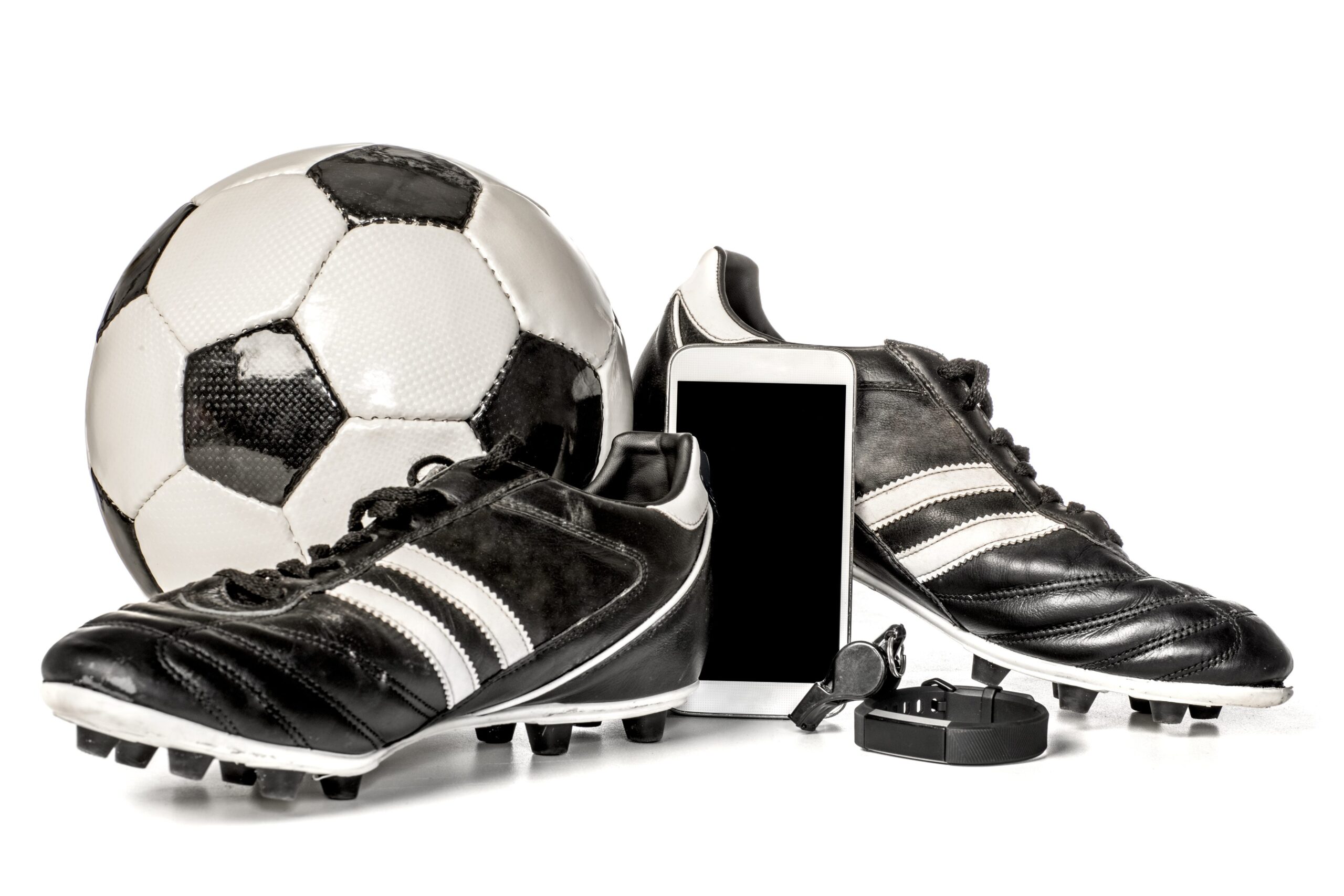
It is now frequent to see sportsmen such as players wear mini-twist in contact with the skin, during games and especially in workouts. These clothing aim to contain devices – i Wearable – like sensors GPScapable of carrying out measurements of specific parameters such as each meter path, any cardiac variation and any acceleration or deceleration. Used in a multitude SI sports including football, tennis and cycling, allow for example modular loads and training strategies, improve the performance of athletes e prevent the onset of accidents or favor its recovery. How do they work and what do these devices specific?
How GPS work
The technology behind the operation of these systems is, precisely, that GPS acronym for Global Positioning System. Thanks to Gnss (Global Navigation Satellite System) the distance between the device and the satellites in orbit is calculated and its exact location is triangled. Often these devices also include other sensors as well as GPS ones, such as accelerometers (responsible for the tracking of travel), gyroscopes And heart rate monitor.
What GPS is for football and what they measure
Thanks to the ease of use, the reporting efficiency of the results, the remote usability and to the innovation in strong growth, the GPS are increasingly used in football clubs, not only of a high level. They are inserted in the aforementioned bib and positioned in the center of the back, among the shoulder blades, in order to do not disturb the movement and Avoid risky impacts. Various versions are available on the market that differ in price, measures and other characteristics. Among these, one of the most important is the sampling frequency (measured in Hz) which indicates the number of times to the second in which an analog signal is measured and converted into digital data. In general, among the most significant quantities that these systems aim to record, we find:
- Distance trail
- Speed media, maximum speed and speed of specific traits
- Accelerations And decelerations
- Changes of direction
- Method racing
- Physiological data (as heart rate intervals)
- Heatmap And positioning on the pitch
All quantified parameters are then transmitted to specific software capable of schematizing the results (for example for athlete or role) and, depending on the model, allow various actions to comparison, analyses And reporting.
Because they are used
The training methodology, especially for competitive purposes, rests on an apparently simple assumption and on which many experts agree: structure the training based on the peculiarities of the race and the technical gesture. Starting from this assumption, it is essential to analyze, from an increasingly accurate point of view, the intrinsic variables of a sport to achieve better results in terms of performance. This is the first reason why GPS sensors are used.
These systems make it possible, in more specific terms, the measurement of the player’s workload during training and games and theanalyses Next of the registered parameters allows you to understand the answers from the athletes and to change their training on the basis of what emerged. The workload is divided into internal load And external load. The first is the result of the physiological and psychological responses given by the player to external stimuli (heart rate, concentration of lactic acid etc.), the second, however, is defined as the set of external stimuli to which a footballer is exposed during the activity (distance traveled, number of sprints etc.). This is why, as we have seen previously, data relating to variables are gathered so different from each other.
Precisely in relation to the training load, recent research have shown that its sudden changes are directly connected to an increase in the risk of accidents. The conscious use of GPS sensors, therefore, cannot only maximize training efficiency, but can also help prevent the onset of accidents and, subsequently, facilitate the recovery trying to match, or almost, pre-injury parameters.
Obviously, the data collected by the GPS are not able to provide a complete and definitive picture on the physical, psychic and medical situation of the player. For this reason, it is essential to adopt an approach multidisciplinary and encourage the continuous cooperation of the staff (doctors, coach, athletic preparers and therapists) in order to better examine the results obtained and define a correct action plan.
Sources
