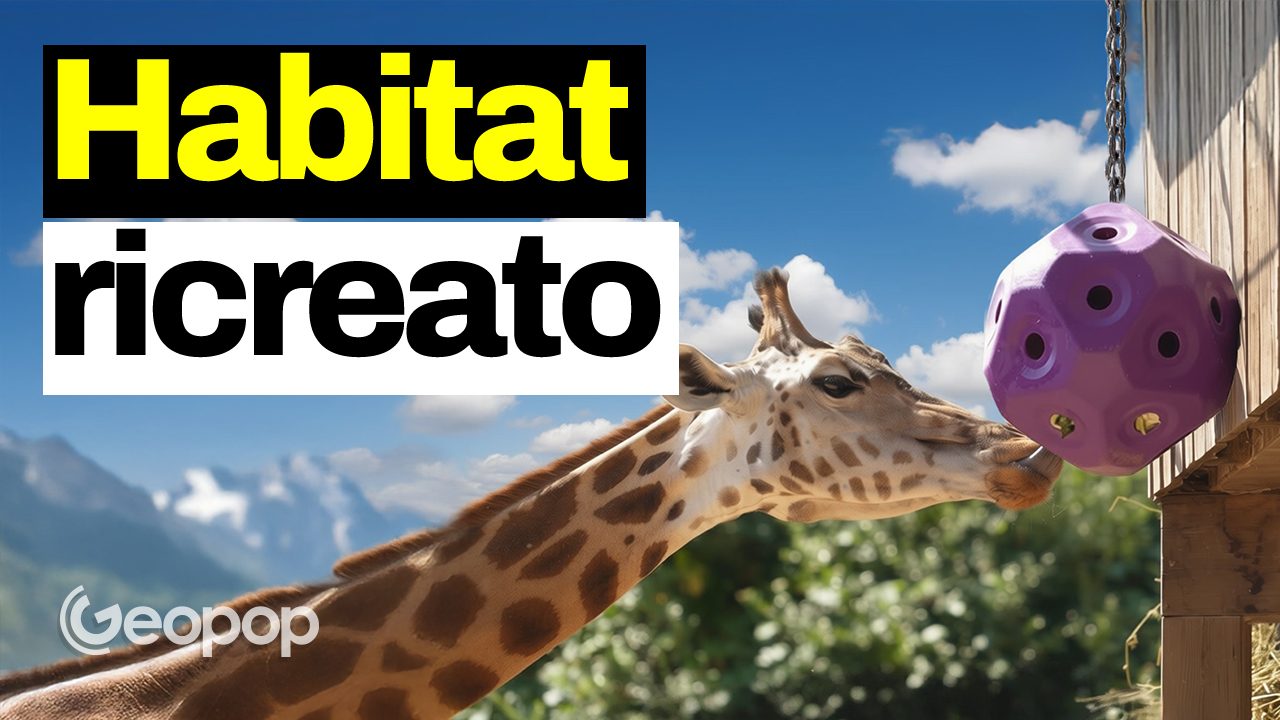
Modern parks are very different from the zoos of the past: there are no longer cages with metal bars, but spaces designed specifically for animals, with natural barriers that maintain a safe distance between them and visitors. But how are these habitats designed and built?
How the lion’s habitat is built
Let’s start with the habitat of the lion, the king of the savannah. Have you ever wondered why a very high cliff is built within its habitat? Well because the lion, by its nature, is an animal that prefers elevated positions: building a cliff therefore does not have a simple scenographic purpose, but has a fundamental function for the animal’s habits.
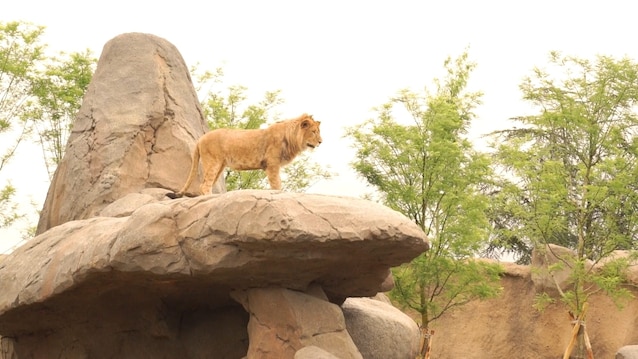
The dimensions of the habitat are not chosen arbitrarily by the park, but must always comply with the regulations established by EAZA, i.e. the European Association of Zoos and Aquariums. Inside there must be areas of shade, especially useful in summer, and sunnier areas for animals used to lying in the sun. There must be areas of denser vegetation where animals can hide and pools of water where they can swim and cool off. This is because the fundamental aspect is diversification: a habitat must not simply be large enough, but must also contain different areas within it, each with a specific function.
A question that might arise is: are the trees, rocks and plants the ones that animals would find in their natural environment? The answer is no: this is not always possible in terms of sustainability and environmental and climate context. Many natural elements, therefore, come from closer environments, but perform the same identical function as those present in the natural habitat, i.e. guaranteeing the well-being and specific needs of the animals.
What are holdings and what are enrichments for?
Equally important is the internal space of a habitat, or where animals find shelter at night or in any other situation of necessity. These internal spaces are called “holdings” and are also subject to EAZA regulations. Inside them there are heating and cooling systems that ensure that the temperature is always kept within a certain range. Here the animals find water, food and other objects with a very particular purpose. In fact, to have a 100% functional habitat it is not enough to build everything properly. There is also work, which the park biologists do every day, to add ever-changing elements. They are called enrichments and serve to stimulate the natural behaviors of each animal species.
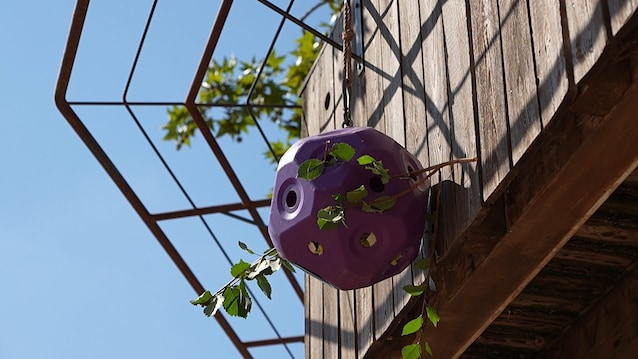
There are enrichments for eating, playing, scratching, swimming or stimulating the predatory instinct. Food, for example, never comes all at once, but is distributed throughout the day respecting the animal’s biological rhythms. And it is also hidden, so the animal must work to look for it. These enrichments are usually part of a program that is updated periodically. For example, there can be an enrichment in which touch is stimulated, then one in which the focus is on smell and so on.
Maintenance of the habitats of a zoological park
Building and then maintaining such particular environments in operation is certainly one of the greatest challenges within a zoological park. Just think of the constant plumbing, carpentry or gardening jobs that are required. One of the most complex jobs at the Zoom Bioparco in Turin is undoubtedly keeping the hippopotamus tank clean.
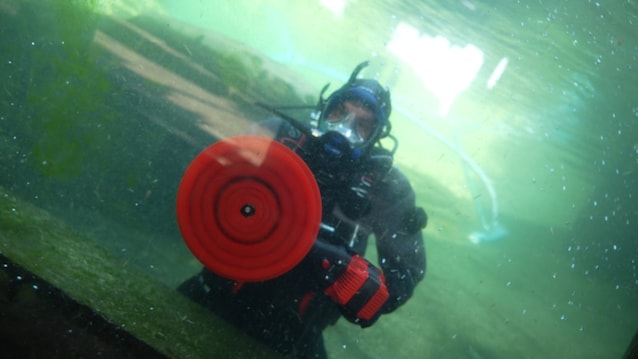
If cleaning the surfaced part is tiring work, but all in all easy, for the submerged part the matter becomes much more complicated. Below the habitat there is in fact a gigantic water filtering and purification system that pumps 130 thousand liters every hour. A cleaner stops the solid part from the liquid part, which then passes through biological filters, carbon filters and UV ray filters. 30/40% of this water is also treated with ozone, a much more complex treatment than the classic chlorine in our swimming pools. As if that wasn’t enough, to all this is added the manual work of the park workers, who every morning immerse themselves with suction pumps to clean every corner of this very particular habitat.
The importance of a biopark for the conservation of animal species
The main reason for the existence of zoological parks is linked to the conservation of species: many European zoological parks are part of a single network, the EAZA, and each species has its own coordinator who takes care of the census of individuals and their reproduction, bringing together individuals with mating potential in the same structure in order to protect species at risk of extinction. An important thing to specify is that the animals housed in these parks are not taken from nature, but were born within the zoological structures for several generations. Many of these animals are in danger of extinction, as their habitats are threatened by poaching, wars or the climate crisis, and are therefore part of a conservation program.
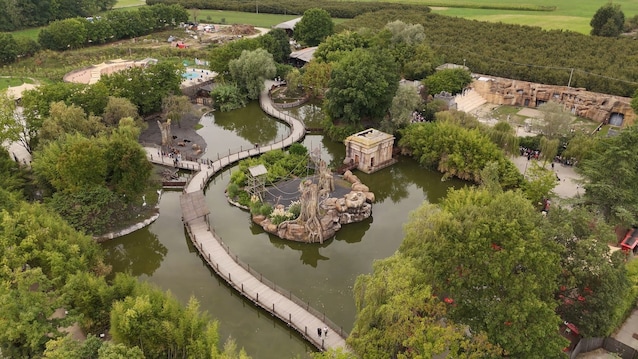
But beyond this, taking care of these species also gives us the important opportunity to study them, so as to be able to develop conservation programs to then apply in nature, just as happens in Turin thanks to the research of the Zoom Foundation. Finally, having visitors is not just a way to finance this research. It is also a way to convey to people, especially the new generations, knowledge and respect for biodiversity.
