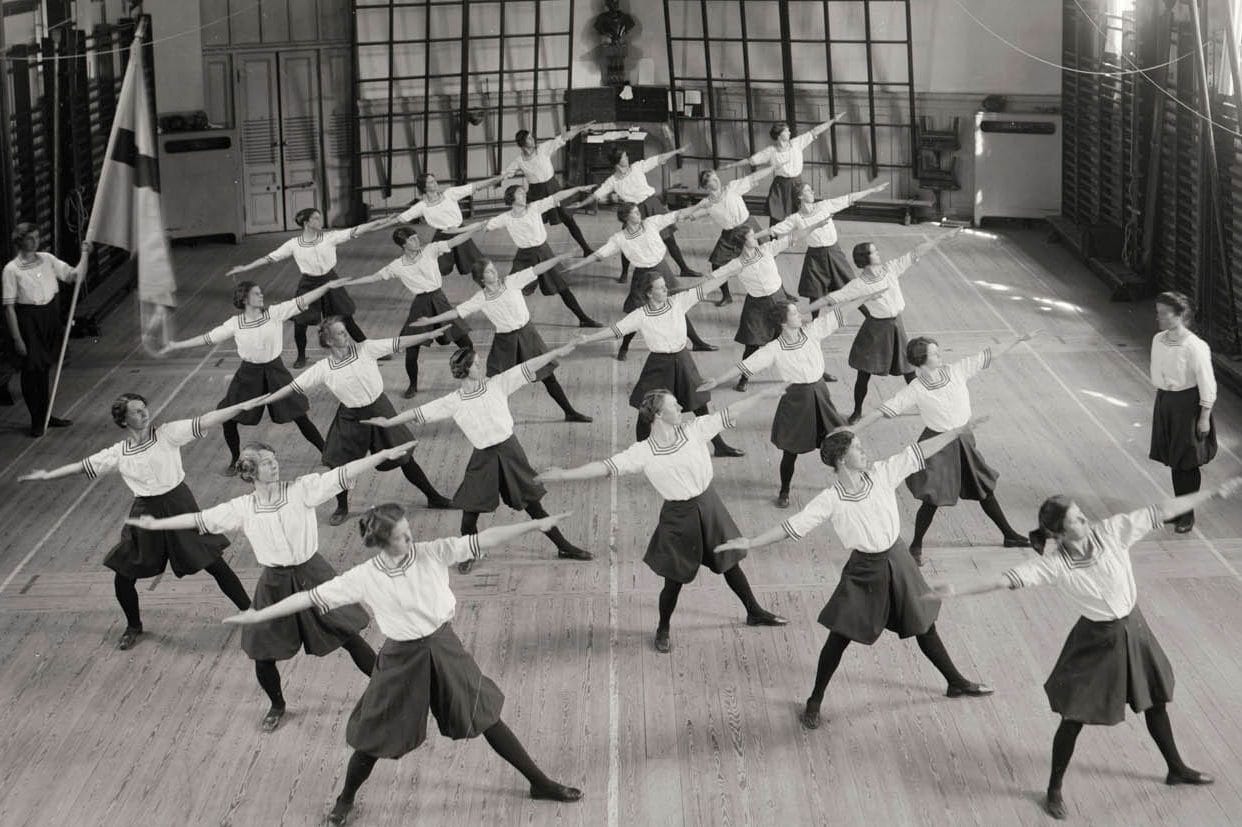
Motor activities – including in this definition both gymnasticsboth lo competitive sport – They have been widespread since ancient times. In the Greek cities-for example, they were considered a tool for the formation of citizens. The advent of the Christian religion constituted an obstacle to the spread of physical activities: in fact the first Christians believed that man should mainly deal with the care of the soul rather than the body, and for this reason they looked with contempt for physical exercises, which from the fourth century DC lost popularity. However, they resumed to grow at the time of the Renaissance and between the seventeenth and nineteenth centuries, the gymnastic exercises began to be considered useful for developing patriotism Since they allowed to train the body to become better citizens and soldiers, as the German pedagogist also claimed Friedrich Ludwig Jahn.
Today sport and gymnastics are very popular all over the world. Our country is no exception, but on average Italians are less sporty than other European peoples.
Gymnastics and sports in the ancient world
Gymnical-athletic activities have a long history behind them, dating back to the first human societies. Already Some ancient civilizations They believed that gymnastic exercises were useful for social and political progress and for the formation of citizens: the Greeks, for example, attributed great importance to gymnastics, which allowed to fortify the body and to shape the mind, getting used to men to commit themselves to achieve the desired results.
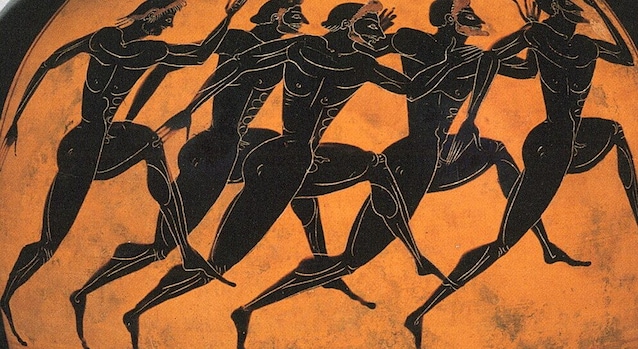
In the Greek cities-the gymnasiumsa sort of gyms in which citizens trained. Together with the gymnastic activities, the competition principlewhich gave rise to sport. The Greeks also introduced the first high -level competitions, in which the best athletes competed: the Olympics and other games of the same kind. The motor activities, however, were not open to everyone and the majority of the inhabitants was excluded: women, slaves, foreign citizens who did not enjoy citizenship rights. Gymnastics also spread in Roman civilizationalbeit with a less important role than that reserved for Greek cities-states. The motor activities found an obstacle in the rise of Christianity, which in the 4th century AD became the official religion of the Roman Empire. The first Christians believed that men should cure the soul, instead of the bodyand therefore they despised the physical exercises, which in the following centuries met a significant regress.
The rediscovery of the body in the Renaissance
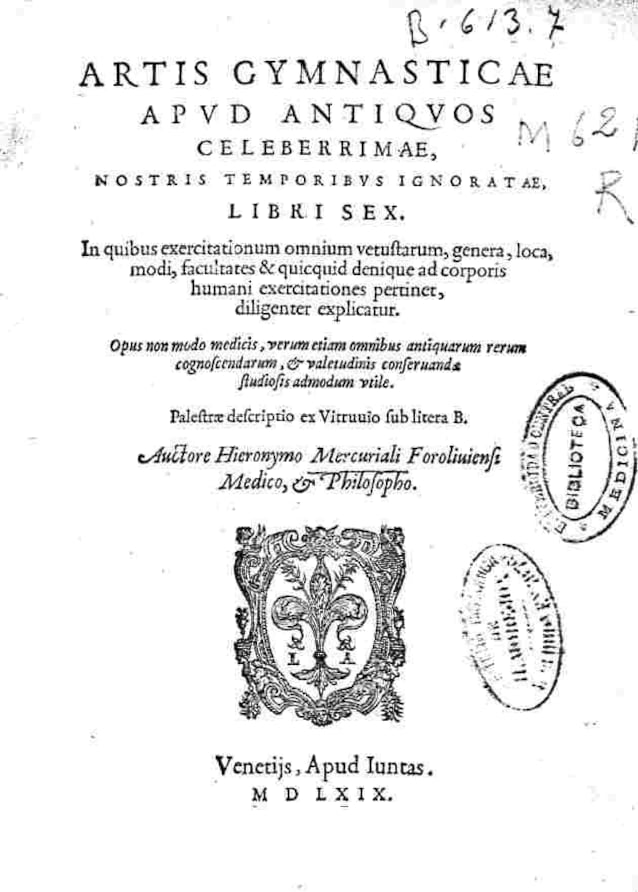
Throughout the Middle Ages, European civilization paid little attention to body care and gymnastics. The attitude of the company began to change between fifteenth and sixteenth centuries thanks to the development of cultural movements such as Humanism and the Renaissance. Humanist intellectuals attributed greater importance to man as such and earthly life. Consequently, the opinions on the body began to change, albeit very slowly, and a sort of rediscovery of motor activities. The change also found an important theorist: the Forlì doctor Girolamo Mercurialewhich in 1569 published the Treaty De Arte Gymnasticain which he highlighted the advantages of physical activities.
In the years of the Renaissance, gymnastics was practiced only by restricted aristocratic elitesbut the change in the attitude of the society was irreversible and would have had profound consequences in the following centuries.
The contemporary age: gymnastics and nation
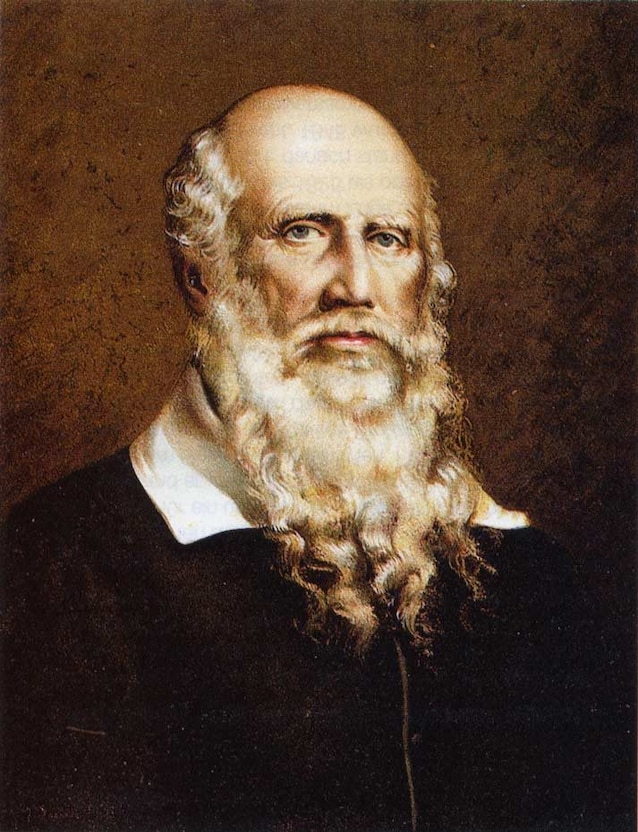
Between the eighteenth and nineteenth centuries, gymnastics met greater diffusion. One of the factors that favored its growth was the link with theidea of nationthat is, the principle for which the inhabitants of a territory that have the same traditions and the same language constitute a people and have the right to form an independent state. Ginian exercises were considered useful for developing patriotismbecause they allowed to train the body to become better citizens and soldiers. Main supporter of this thesis was Friedrich Ludwig Jahna German pedagogist who in 1810, when Prussia (main Germanic state) was occupied by Napoleon’s France, began organizing gymnastic activities for young people.
Gymnastics gradually spread in continental Europe and also reached the Italian peninsula: in 1833 the Swiss master Rudolf Obermann He was called to Turin, the capital of the Kingdom of Sardinia, as a gymnastics instructor at the Army Artillery School. A few years later, in 1844, Obermann founded the Real Gymnastics Society of Turinconsidered the first Italian sports club.
Progress in Italy and in the world
In the second half of the nineteenth century Gymnastics and sport They affirmed themselves throughout the western world, albeit with differences according to the cases. In principle, competitive sports prevailed in Anglo -Saxon countries (rugby, football, tennis, etc.), while in continental Europe gymnastics was more popular. Gradually, however, the “English games», As competitive sports were called, they also came to the continent, spreading to an increasing extent. Gymnastics were affirmed in the Italian peninsula: the gymnastic associations spread in the area and in 1869 they gave birth to a national federation. In 1878, on the proposal of the Minister of Education Francesco De Sanctisthe government sanctioned the compulsory gymnastics in schools. In the following decades, however, in Italy competitive sports also arrived, which gradually became more popular than gymnastic exercises.
Gymnastics and sport in the 20th and XXI centuries
Until the nineteenth century the motor activities, both gymnastic and sporting, were practiced only by the exponents of the elite wealthy, but with the passage of time, thanks to the economic and social changes, they are become a mass activitypracticed by vast sectors of the population all over the world. I am also change the offices: In the past, the activities were practiced above all in schools or in public institutions, but over the years they have established themselves sports clubs and private gyms.
The growth was truly remarkable. In Italy, for example, according to the data of the Italian Exhibition Group, in 2021, 5,500,000 people they signed a subscription to the gym. Even higher is the number of those who practice sports activities: in 2023 it was equal to almost 20 million people, that is, over a third of the population. The percentage, however, is lower than the European average, which is almost double.
