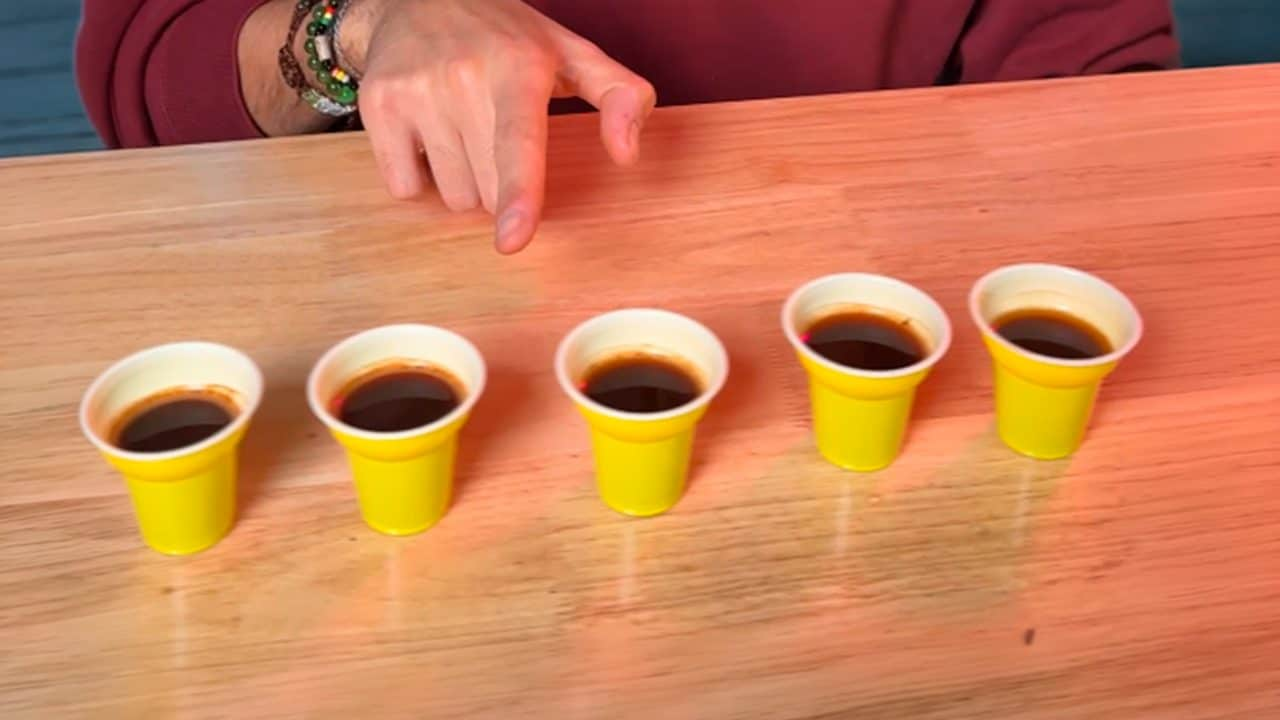
We Italians love coffeein fact we are the 7th Village in the world by per capita consumption: almost 3 out of 4 Italians they drink it everyday and only 5% never drink it, preferring other drinks such as tea, ginseng or barley coffee. But what is the amount of caffeine we can consume every day without having problems? TheEFSAthe European Food Safety Authority.
For i childrenEFSA suggests a safety limit of 3 mg/kg of body weight per day. Let’s take an example to understand what this data means. If a child weighs 30 kg, the daily amount of caffeine is 90 mg (data obtained by multiplying 3 mg/kg by 30 kg). Considering that an average espresso contains approx 80 mg of caffeinea 30 kg child would almost reach the maximum limit with just one coffee. Below this weight threshold, coffee consumption should be avoided.
For them pregnant womenthe security level is 200mg of caffeine daily, and not 0 mg as you might think. Consequently, drinking 2 coffees a day is safe, the main thing is not to exceed 200 mg per day.
For the adultsInstead, 5.7 mg/kg of body weight distributed throughout the day, does not pose safety problems. So if we weigh 70 kg, it means a total of about 400 mg per day (that is, approximately 5 espresso coffees per day) are not to be considered a health risk.
But be careful: caffeine is not contained only and exclusively in coffee. Here is a list of foods that contain caffeine:
- 30 g of milk chocolate contain approx 3 mg of caffeine;
- 30 g of dark chocolate contain approx 7 mg of caffeine;
- 330 ml of cola contain approx 33 mg of caffeine;
- 220 ml of black tea contain approx 50 mg of caffeine;
- 60 ml of coffee (one espresso) contain approx 80 mg of caffeine;
- 250 ml of an “energy” drink contain approx 80 mg of caffeine;
- 200 ml of American coffee contain approx 90 mg of caffeine.
So you can do your calculations to evaluate how much caffeine you take per day so as not to exceed that recommended by the EFSA.
