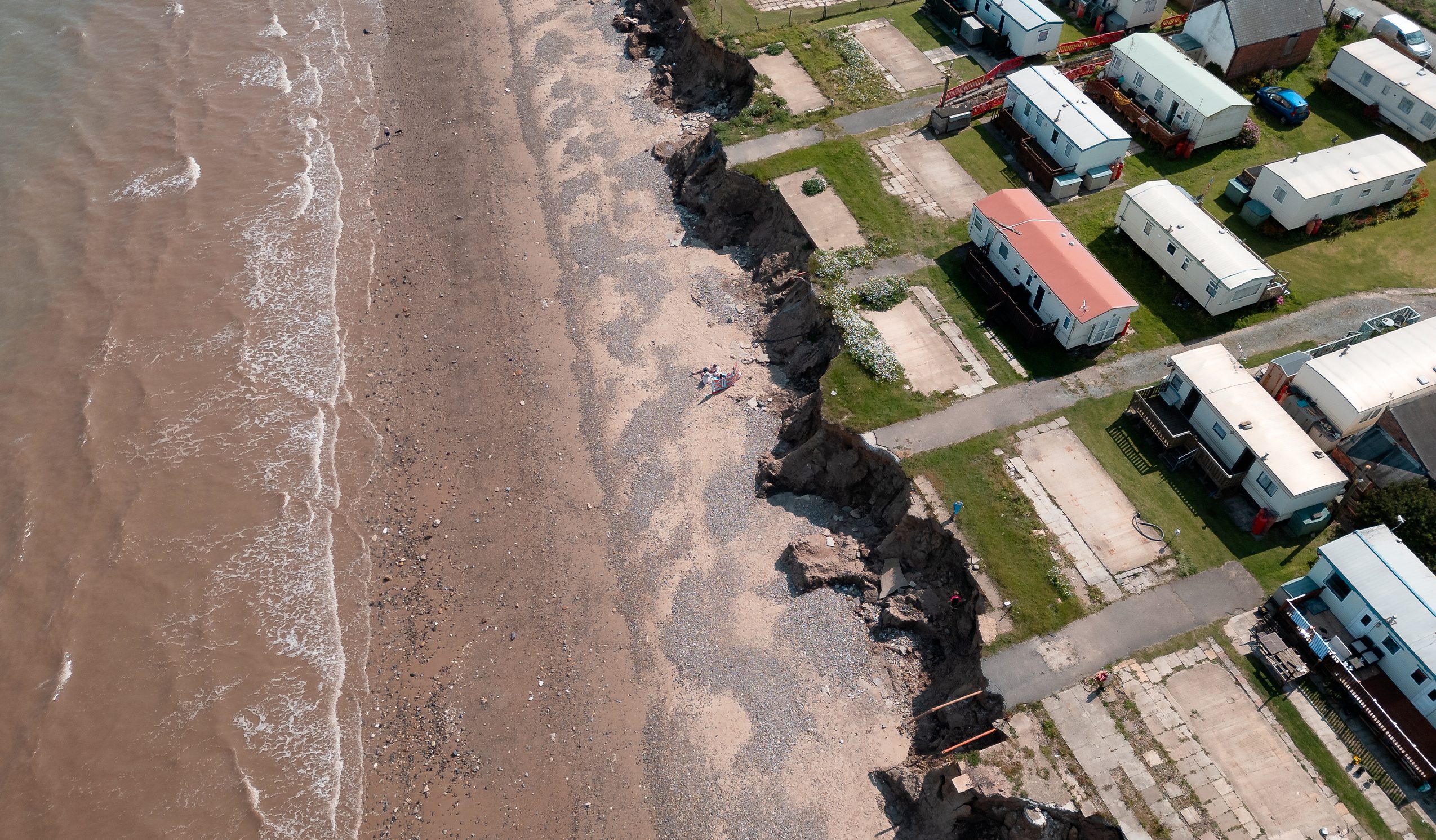
In February 2026 the Puglia Region started a new cycle of structural interventions aimed at mitigating coastal erosion phenomenacharacterized by the allocation of two distinct financing lines: 16 million euros intended for low coast sectors (sandy beaches and mixed coastlines) e 26 million euros aimed at stretches of high and rocky coast, more susceptible to instability phenomena induced by their own weight. The planned measures pursue the objective of increasing the safety conditions of coastal communities, while ensuring the maintenance of landscape and geomorphological balances. In some areas, interventions have already been started consolidation based on techniques cement injection, passive reinforcers and devices anchoring less cohesive superficial portions.
What is erosion coastal: causes and consequences
Coastal erosion is an evolutionary process of the coastal strip due to net loss of solid material (sand, silt, gravel, detrital or rocky material) from the emerged area towards the submerged area or towards lateral transport basins. This condition arises from the interaction between hydrodynamic agents (waves and currents), atmospheric agents (wind, heavy rainfall) e level variations of the sea (rise in mean sea level or local subsidence). In all these cases, there are drag forces, variable over time, which continuously stress the superficial layers of the coast, causing their disintegration and continuous weakening over time.
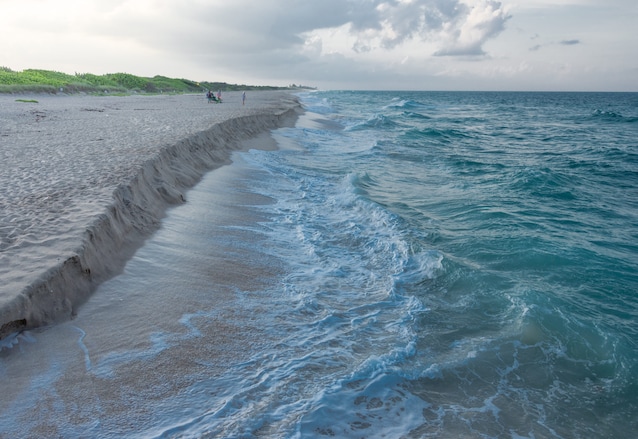
The wave motion constitutes the main antagonist because shatters weaker materialsinduces processes of undermining at the base of the slopes and activates solid transport mechanisms towards the open sea via rip currents. In parallel, the rise in sea level increases the depth of the area affected by these erosive mechanisms, exposing it to greater hydrodynamic energy previously protected stretches of coast. The result is a progressive weakening of the solid system that emerged which, over time, can reach one collapse condition essentially induced by one’s own weight.
From an anthropic point of view, i ports for example, they interrupt the natural coastal flow, while the canalisation of watercourses, the extraction of aggregates and the urbanization of the backshore drastically reduce the granular inputs towards the coastal system. The combination of these factors generates imbalances which result in rapid loss of sediment and consequent progressive instability of the coastal front.
The phenomenon in Puglia: the technical framework
The extreme weather events which affected the peninsula have also generated conditions of instability along the Apulian coasts, with localized collapses of natural arches and cliffs, particularly in the provinces of Lecce and Bari. The recent evolution of the Apulian coasts shows a critical picture: between the Gargano and the lower Salento, combined phenomena of retreating of the shoreline, dune erosion and collapse of the rocky slopes are observed under the effect of the force of gravity, now critical because it acts on a weakened system.
In the time window 2024–2026 have been registered at least 19 relevant erosive episodesconfirming the activation of a disturbance trend destined to increase over time, with an associated growing vulnerability of the regional coastal system.
The interventions of the Puglia Region: monitoring and solutions
To deal with the emergency, the Puglia region defined a series of safety interventions articulated on several levels, with the aim of protecting the most vulnerable areas, stabilizing the stretches of coast at risk and re-establishing long-term conditions of equilibrium. The four funded projects aim to resolve specific critical issues:
- Rhodes Garganicowhere currents and storm surges move large quantities of sand, will see works to slow down the action of the sea and rebuild the beaches, also protecting road and railway infrastructures.
- Massafra intervenes between the mouth of the Armato Canal and the area behind it, combining coastal defense and environmental recovery with an approach of reducing concrete structures in place of greater space for nature.
- Zapponeta will install new submerged barriers to break the force of the waves, encourage sand deposition and counteract the retreat of the shoreline.
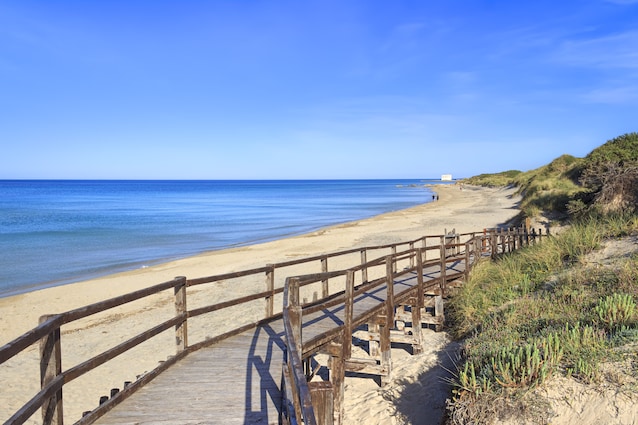
- Ostuniin the Torre San Leonardo area, will strengthen free beaches and dune cordons through barriers not visible from the shore, native vegetation and wooden walkways.
Safety measures already active
In the rocky stretches of Puglia characterized by presence of caves and sub-horizontal cavitiesongoing interventions also include techniques deep consolidationwhich cement injections of fluid mixture. This technique aims to transform the sandy layers that constitute the framework of these cavities into cemented conglomerates with practically homogeneous behavior, like a solid. In addition to this, the interventions also include the inclusion of passive metal armorwhich increase the resistance to traction and detachment of the surface portions, preventing collapse mechanisms even in the event of an increase in wave energy. These techniques make it possible to stabilize degraded fronts, reduce the risk of collapse and ensure greater load-bearing capacity of the coastal system in conditions of extreme events.
