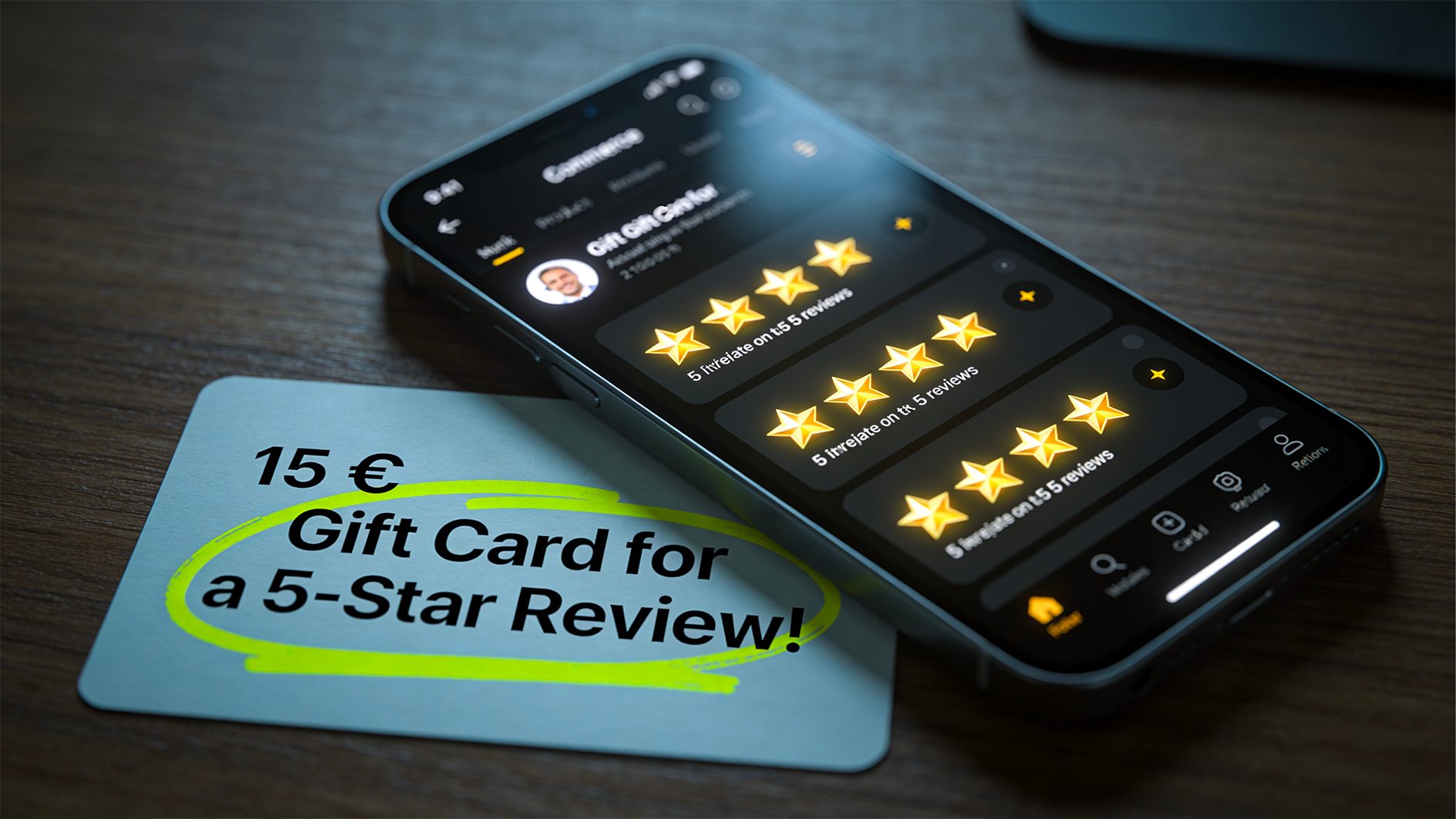
Maybe it will have happened to you too. Search for a certain product on an e-commerce site, go through the accompanying reviews and, reviewing them, notice that a good percentage of these are extremely positive. If you trusted what was written by those who bought the product and reviewed it in an extremely positive way (with the famous 5 stars), you may have purchased it only to end up with something that didn’t fully meet your expectations. How is something like this possible given the many positive reviews? The answer could lie behind a phenomenon that has become increasingly common in recent years: le 5 star reviews toned down by sellers.
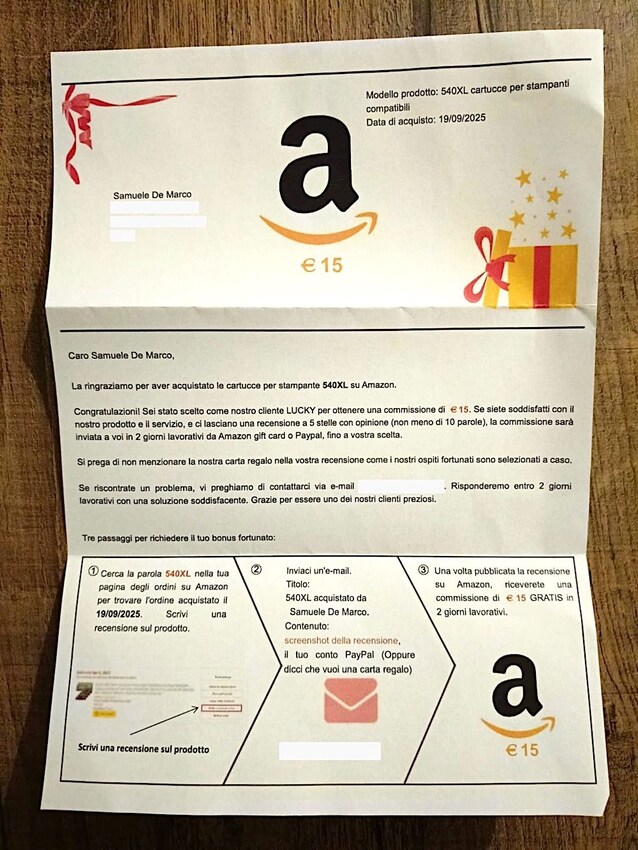
In practice, a seller X, after the purchase, asks the customer to give a positive review of the product and, in exchange, you will receive a benefit: discount vouchers on future purchases or other similar benefits. The practice, which has been much debated for years and has also ended up in the national news, risks making the habit of reading reviews useless which, although appearing “verified” on paper (i.e. belonging to users who have actually purchased the product), are in fact tainted by these unfair commercial practices. Let’s see what this phenomenon consists of, how widespread it is and how not to be fooled.
What does the phenomenon of sugar-coated 5-star reviews consist of?
The mechanism that allows the phenomenon of sugar-coated 5-star reviews to proliferate is, conceptually, very simple: a highly requested product, such as an air fryer, a vacuum cleaner or printer cartridges, is accompanied by an avalanche of extremely positive comments praising its performance and merits. Once you receive the object, however, you are faced with poor quality materials and less than exciting user experiences. And the reason is easily explained: the reviews were not totally independent, but influenced by the sellers who, in exchange for positive reviews, promised benefits of some kind.
In the United Kingdom this practice was explicitly prohibited, but according to the National Trading Standards continues to be very widespread. The organization reported that fake reviews are now being produced on a large scale through a combination of paid people, automated software (so-called bots, programs that generate content automatically) e artificial intelligence systems capable of writing texts increasingly similar to human ones. In some cases, websites are even created entirely dedicated to fake reviews.
Journalistic and consumer association investigations have shown a further critical aspect: the existence of organized groups that offer refunds or free products in exchange for positive reviews. In these contexts, if the opinion is not sufficiently enthusiastic, the promised compensation often does not arrive. Practices of this type they violate the rules of platforms like Amazon and Facebookwho state that they do not tolerate the exchange of money or goods in exchange for ratings. Investigations conducted by media such as BBC 5 Live have shown how easy it is to buy fake recommendations even on well-known sites, such as Trustpilot.
The spread of these sugar-coated reviews is remarkable. A British government study dating back to 2023 revealed that between 11% and 15% of all reviews belonging to the most popular product categories in stores (consumer electronics, home and kitchen, sports and outdoor activities) they were not authentic. Other studies have brought this percentage even to 30%.
The problem is also present in Italy. In recent years, a network of intermediaries, often called brokerand through social channels they coordinate fake reviewers who are paid in money or with the products themselves. This system alters the positioning of items in search results and sales rankings. To counter it, in recent years Amazon presented the first in our country criminal complaints against operators who managed thousands of sites and groups dedicated to this marketusing tools like Telegram to make themselves difficult to trace.
At the same time, associations such as Altroconsumo have initiated legal actions and filed complaints in various Italian prosecutor’s offices against sites and groups that promote the so-called boostingor exchanging refunds in exchange for 5-star reviews. Federico Cavallohead of external relations at Altroconsumo, had declared to the newspaper in this regard the Republic:
For some time we have been denouncing the growth of abusive reviews, i.e. those promoted by subjects who promise a financial advantage in exchange for positive opinions, deceiving consumers in good faith. We cannot therefore help but appreciate the initiative announced today by Amazon with the launch in our country of criminal action against one of the main brokers of fake reviews.
Signs to avoid getting caught up in artificial reviews
Given the potentially significant quantity of fake reviews present in online shops, and given the difficulty in distinguishing reviews resulting from a real user experience and those created with AI, here are some ideas for Avoid getting caught up in artificial reviews.
- Pay attention to the absence of concrete details: Instead of recounting a specific experience, an artificial review might repeat slogans taken from the product’s commercial description or use vague expressions such as “amazing” or “perfect”. Authentic reviews, as recalled by consumer associations such as Which?instead tend to include personal details, limitations encountered and real contexts of use.
- Rate reviewer activity: click on the name of the person who published a review that seems too positive to you, check their publication history and if you find a lot of 5-star ratings for the most disparate products, be wary of the reviews published by the reviewer in question.
- Focus on 2, 3 and 4 star reviews: these usually offer a more balanced picture and more honest opinions than extremely positive reviews.
