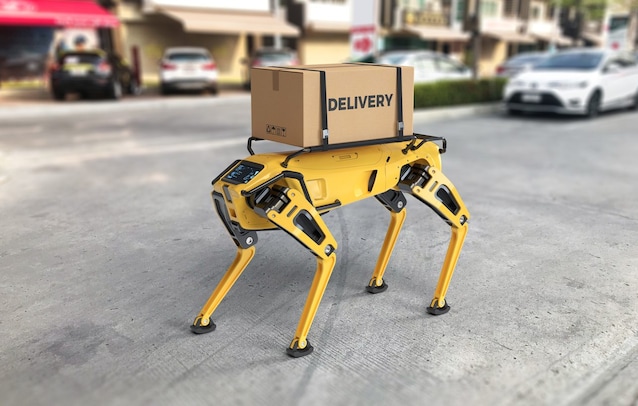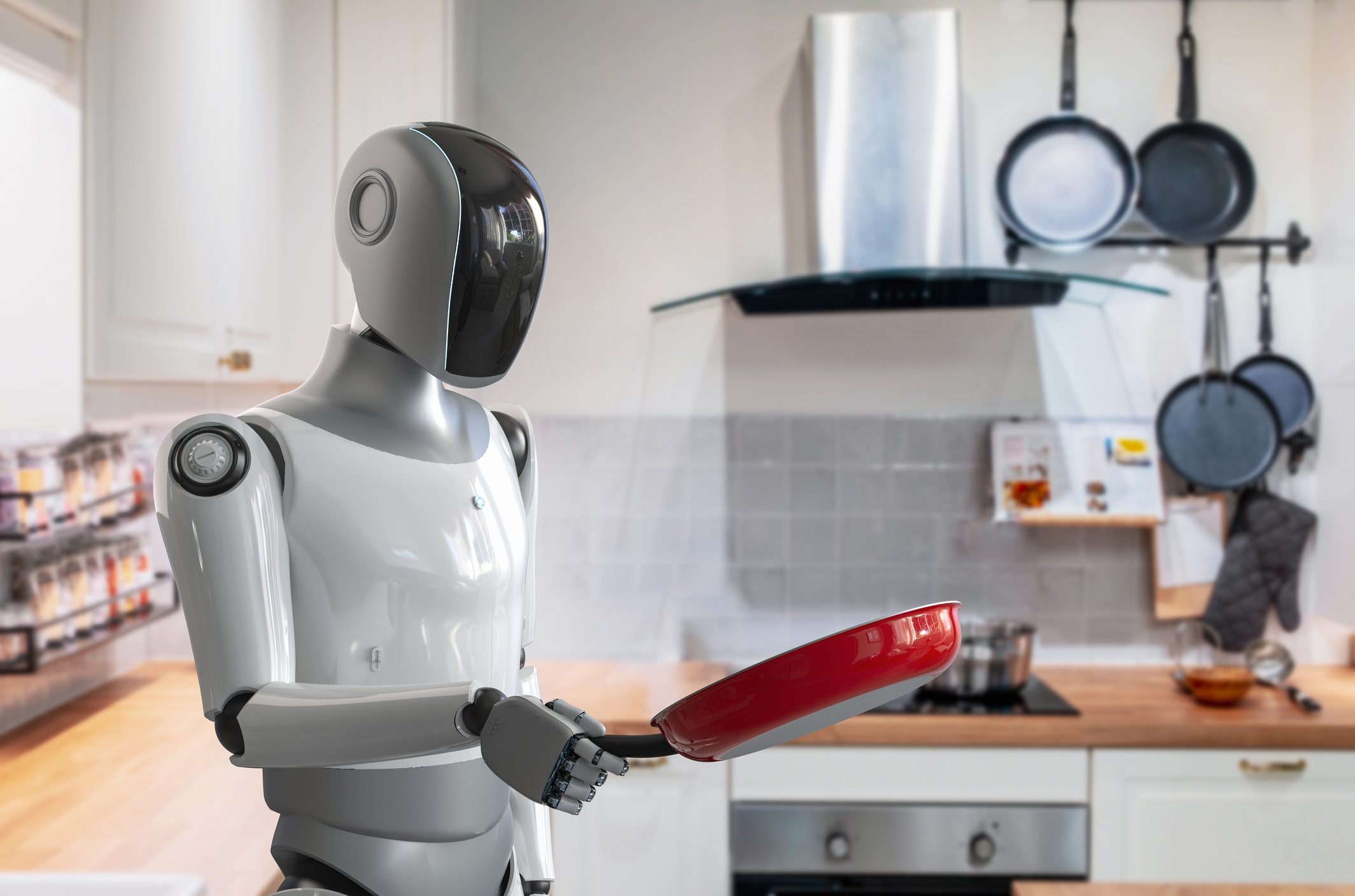
We move from robots with fixed mechanical arms to machines with built-in artificial intelligence: humanoid robotics could be a revolution. Thanks to the union between artificial intelligence and the mechanical body, “Physical AI” is born, a technology in which artificial intelligence integrated into humanoid robots makes them capable of acting in the real world, learning by observing and collaborating directly in production and domestic processes. The aim is to free us from the most tiring and repetitive tasks.
The global market for humanoid robotics has already exceeded 2.7 billion euros in 2025 and is estimated to reach 70 billion by 2035. Italy is at the forefront, positioning itself as the second country in Europe for robot density.
Beyond the machine, humanoid robots and Physical AI
We have been accustomed to considering robots as little more than intelligent household appliances, such as those that clean floors or serve trays in restaurants, or as fixed mechanical arms on assembly lines. But today we are faced with a real evolutionary leap, we are faced with humanoid robots equipped with Physical AI (Physical Artificial Intelligence), which represent the technological frontier of 2025-2026, marking the transition of artificial intelligence (AI) from software to the real world”.
We are no longer just talking about machines that walk on two legs or just an anthropomorphic appearance, but about versatility and cognitive capacity, a technology that unites body and digital mind. Today, thanks to integration with robotics, it enters the real world. Until yesterday, AI was confined behind a screen. We interviewed the Prof. Bruno SicilianoFull Professor of Automatics and Robotics at the University of Naples Federico II, explained to us that we are at the birth of what we could define “Physical AI” or “Act-GPT”: a system that does not simply generate texts, but learns to perform physical actions and interact with the environment in an empathetic and natural way. The future can be glimpsed “Phygital”: a bridge where, thanks to “digital twins”, every movement is simulated to perfection before being performed in the real world, making robot collaborators increasingly safe and natural.
A 70 billion market: Italy is a European protagonist in humanoid robotics
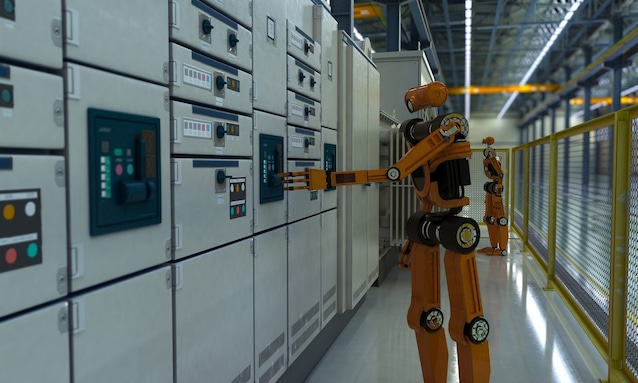
The scenario that yesterday was confined to research laboratories is today an overwhelming economic reality. The global humanoid robot market has surpassed 2.7 billion euros in 2025 and prepares to touch i 70 billion by 2035with an impressive growth of 2,500%. In this revolution, Italy occupies a privileged position: with over 8,700 new robots installed in the last year, our country is the second in Europe for robotic density. We are no longer talking about fixed mechanical arms, but about mobile and adaptable systems capable of assembling components with millimeter precision in factories, welcoming guests in hotels or patrolling industrial areas detecting anomalies in real time.
In 5 or 10 years, seeing a humanoid in our homes could be as normal as having a smartphone is today. The challenge is not man against machine, but the creation of a collaboration model where technology becomes a tool for growth and security for all of us.
Human-robot-AI collaboration: unleashing human talent
But will robots steal our jobs? Despite common fears, Prof. Siciliano reassures us: humanoid robotics was not created to replace man, but to elevate his role. The real objective of this technology is the so-called empowerment: by delegating the most tiring, repetitive and stressful tasks to machines, we will finally be able to recover time for our natural creative intelligence. More space for creativity, feelings and talent. Imagine a surgeon who, supported by millimeter robotic precision, can focus exclusively on the surgery strategy without physical stress. The future is not man versus machine, but a model in which technology becomes a tailor that tailors solutions to enhance human capabilities.