After the extraordinary success of the Winter Olympics in Milan-Cortina 2026Italy is preparing to host another great celebration of global sport: the Paralympicswhich will start on March 6th at the Verona Arena and end on March 15th at the Olympic Ice Stadium in Cortina. This edition marks a special milestone: 50 years since the first edition of the Paralympic Winter Games, held in 1976 in Örnsköldsvik, Sweden, and represents an event that celebrates not only sport, but also the inclusion and determination of athletes with disabilities. Over 650 athletes will participate, including 42 Italians, coming from 50 countries.
They will be present at the Milan-Cortina Paralympics 6 main disciplines. Let’s see them one by one, together with the locations (between Milan, Cortina and T where the 79 medal races will be held.
Paralympic alpine skiing
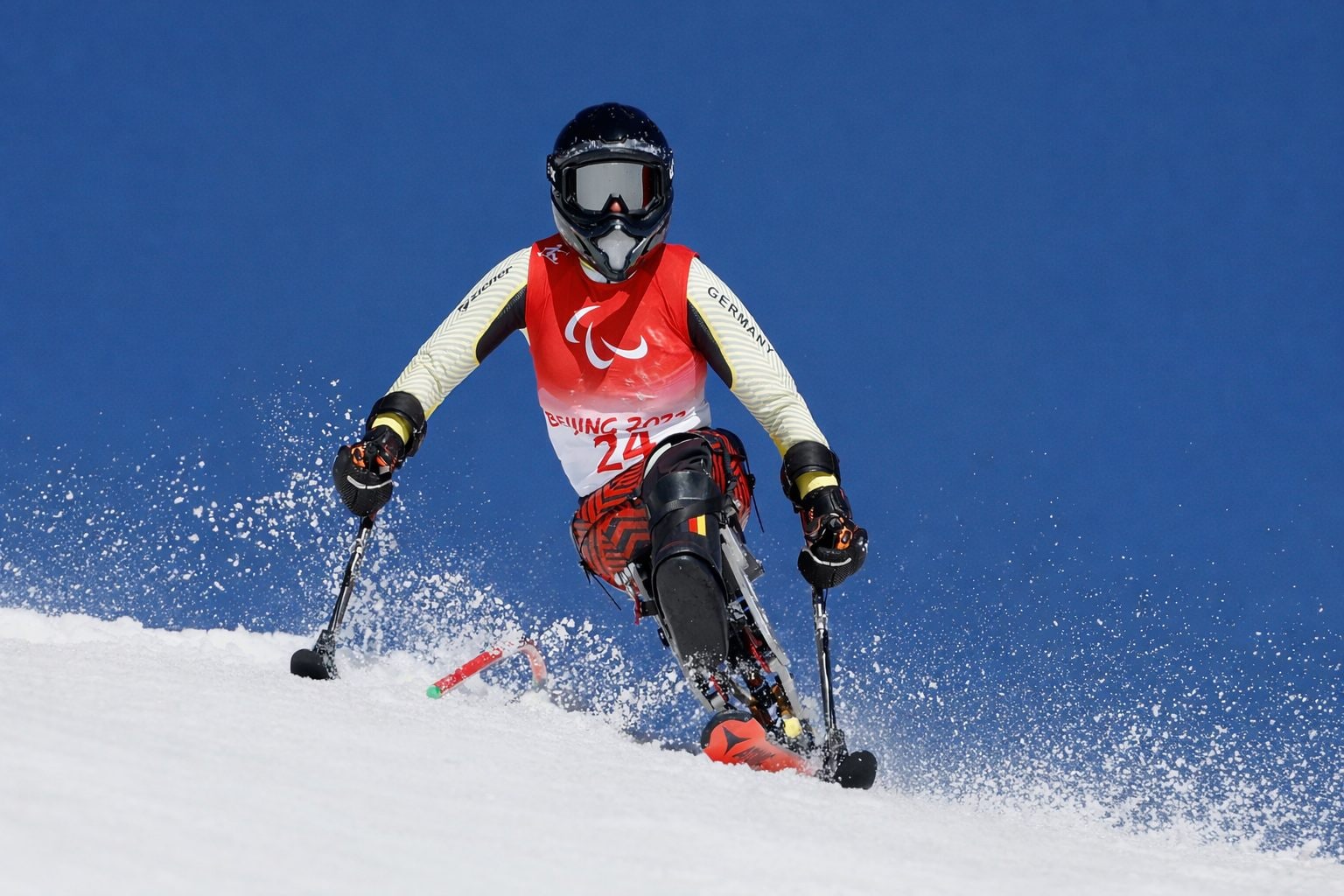
Alpine skiing is one of the most spectacular and traditional sports of the Winter Paralympic Games, as well as one of the two disciplines present since the first edition in 1976 together with cross-country skiing. The athletes will face theOlympia delle Tofane di Cortina divided into 3 categories: standing (“standing”), sitting (“sitting”, often inside a shell or monoski) and with visual impairment. In the latter case, the athletes descend with a guide, who anticipates them on the track and communicates to the athlete, via Bluetooth headphones or speakers, the direction to follow and the ideal line to keep on the track. The specialties are the same as the Olympic races: Special Slalom, Giant Slalom, Super G, Downhill and Alpine Combined (the latter replaced at the last Olympics by the team combined).
Paralympic snowboarding
Snowboard competitions will also be held in Cortina, with two specialties: banked slalom and snowboard cross. In both disciplines the athletes descend along a route full of bumps, parabolic curves and dips, but if in banked slalom the athletes compete alone against the clock, in snowboard cross (like in the Olympic one) the athletes compete against each other. There are three categories in the competition, one dedicated to athletes with upper limb disabilities (UL) and two dedicated to athletes with lower limb disabilities (LL1 and LL2, based on the degree of injury). While men compete in all categories, women compete only in the LL2 category.
Paralympic biathlon
Biathlon athletes will compete in Tesero in 3 specialties: Sprint 7.5km, Individual 12.5km and Sprint Pursuit, and will in turn be divided into 3 categories, the same as alpine skiing: standing, sitting and vision impaired. Interesting in this case is to underline the ways in which shooting is done on the range: athletes with disabilities in the upper limbs are assisted by coaches, while those with visual disabilities aim with their hearing: a particular rifle is connected to special electro-acoustic glasses. The closer you get to aiming the target correctly, the more the sound generated by the glasses increases in intensity.
Paralympic cross-country skiing
Cross-country ski races will also be held in Teserolike the Olympic ones. The categories are the same as biathlon, but there are 5 events that will award medals: Sprint, Individual 10km with classic technique, 20km with free technique, 4 x 2.5km mixed relay and finally the most inclusive relay of all: the 4 x 2.5km open relay, in which 4 athletes of any gender and category compete, with free combination.
Paralympic ice hockey
Also known as “sledge hockey”, this sport is a version of ice hockey adapted for athletes with lower limb disabilities, who compete on sleds and with two sticks in their hands, used both to hit the puck and to push themselves on the ice. A single tournament is played with mixed teams Milan Santagiulia Ice Hockey Arenaa venue that we have already seen hosting the final phase of Olympic hockey a few days ago.
Wheelchair curling
Similar to traditional curling, but played by athletes in wheelchairs, Paralympic curling will be played at Curtain with two events: mixed teams and mixed doubles. The peculiarity of this discipline lies in the throwing of the stone: the athletes use the extender, a particular rod, to slide the stone on the ice, without any athlete to “brush” the ice.
The Winter Paralympics should not be considered just as a competition: they are a symbol of inclusion, of challenging one’s limits and of human strength. Athletes from all over the world will show us how sport can overcome barriers, unite cultures and inspire millions of fans.
