No, public schools must not become “freemium”
“Teaching will change a lot, school will also be enjoyed online, outside the four walls. Many teachers will work part-time and offer online content, even for a fee. Why must a good product be on sale in a supermarket and why not good culture? We must get away from the cliché that culture must always be free. If a method is good, it is right that it becomes an accessible product”.
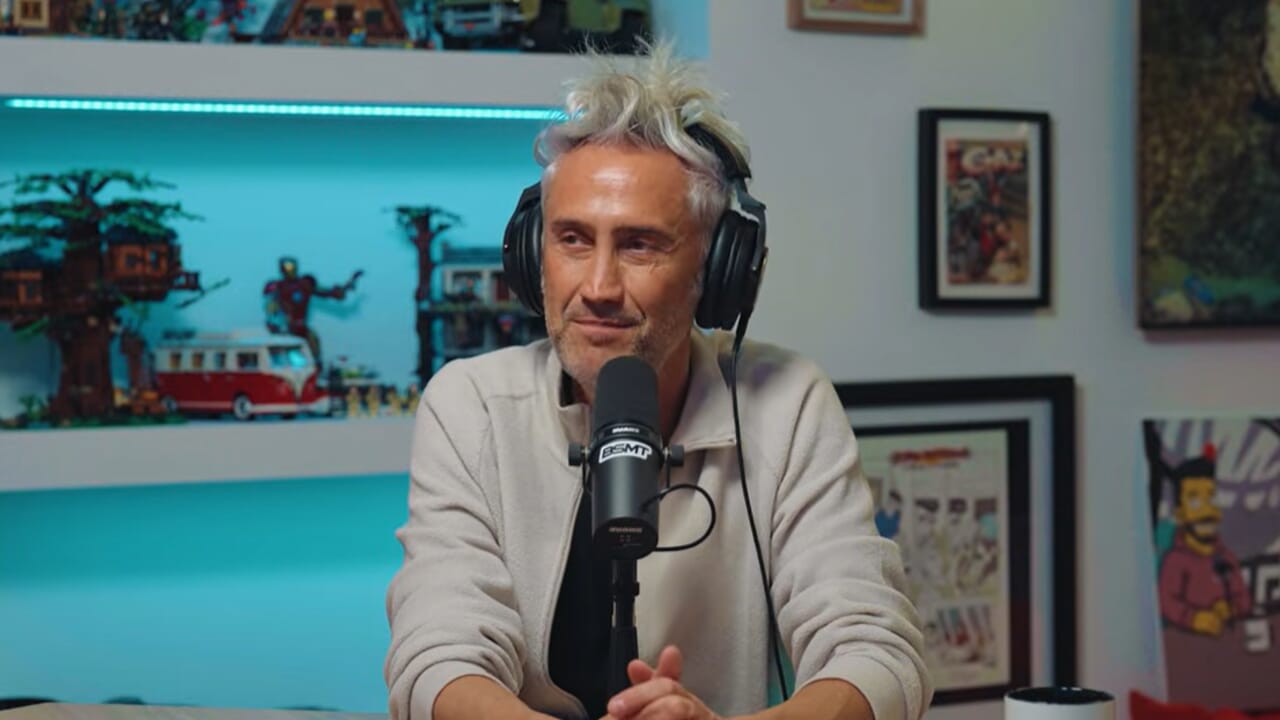
These words by the professor-influencer Vincenzo Schettini, spoken in Gianluca Gazzoli’s podcast, never cease to cause discussion. His response to the controversy was also of little use, in which he specified that culture is already paid for, as demonstrated by a book, a concert or a museum, and that therefore he would not have said anything new. Above all, he made it clear that education is something else and that it must remain free.
The “freemium” school
It’s a shame, however, that the message that many people received was another: the specter of “freemium” schools. Nowadays, in fact, almost all the services we use follow this logic: you are offered a free basic version, and then try in every way to sell you the paid one. However, public schools cannot and must not become this, because it would mean fueling a classist dynamic. Already today, many families are forced to resort to private schools, despite not having much financial resources, as public schools struggle to fill some educational gaps that penalize inclusiveness and end up fueling dropout. Let’s think, for example, of the phenomenon of hikikomori: kids who are often very intelligent, but who struggle to relate to their classmates and particularly suffer from performance anxiety, both social and linked to grades. Many of them stop attending and their families are often forced to enroll them in private schools of questionable quality (sometimes described as “diploma schools”), but with prohibitive costs.
Public roles incompatible with private activities
The central point of the story is that public roles should be completely incompatible with the private activities connected to them. Otherwise, there is a risk of speculative drift, in which one takes advantage of one’s position in the State to obtain personal economic benefits. And this is what some have glimpsed in Schettini’s story. Above all because he himself candidly admitted, without too many problems, that he had “invited” his students to follow his live shows on Twitch after school, promising advantages to those who interacted in a certain way and with a certain consistency.
A pressure with an asymmetrical relationship
Well, here we are faced with a possible form of pressure, made even more delicate by the asymmetrical power relationship between teacher and student. In its partial defense, however, it must be said that similar practices, albeit in less contemporary forms, are often tolerated even in universities: professors who force students to purchase their own book (in original, not photocopied) or who tend to favor, in terms of grades, those who have attended the lessons, even when attendance is not compulsory. What Schettini said, therefore, does not represent an absolute novelty, but it sparks further reflection on how the dynamics of social media can encourage opportunistic behavior in figures of authority who, thanks to their institutional role, transform the public position into a lever for marketing and private self-promotion.
