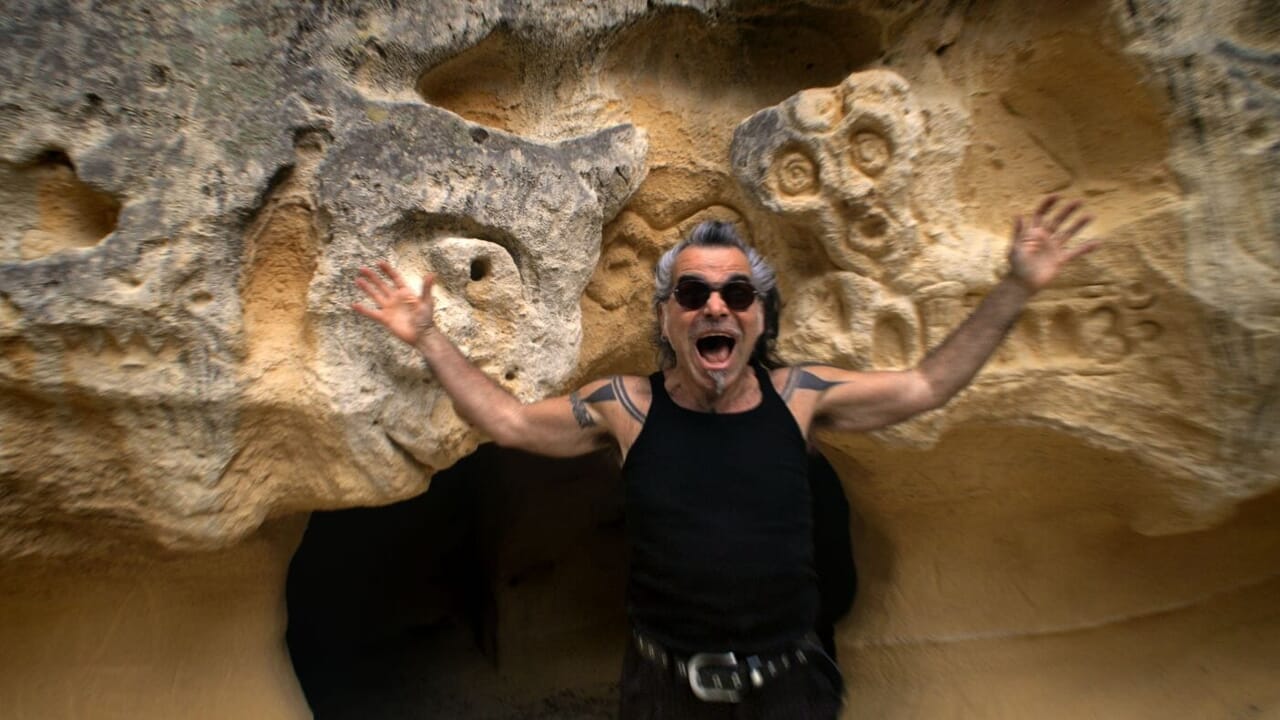
Piero Pelù is a great rocker, not a meme
In Italian music there are few controversial figures like Piero Pelù. Not on a human level – that is, not that he has a criminal record – but on an artistic legacy level: since 1980, the year of his debut with Litfiba, he has done everything and the opposite, falling into contradictions several times. With the first formation of the band it played new wave, with masterpieces such as the first album, Disappeared strictly underground. With the second, in the nineties, in which he was the only cock in the henhouse with Ghigo Renzulli, he moved on to hard rock, with great commercial success and creative results, according to historical fans, not always up to par, a little tacky, but enjoyable (El Diablo). As a soloist, his records were professional, nobler in intention than in result. In the middle, Sanremo, huge anti-war songs (Heroes in the wind) and other ugly ones like My name is never again with Jovanotti and Ligabue (1999), plus dissolutions and returns of Litfiba, the last one in 2022, “definitively”, except to reunite them for yet another celebratory tour in 2026. And then the “erasable” pencils at the elections and the rest. What is the real Pelù? The top or the bottom? Which should we believe? To the great rocker (not rock star, he is keen to say) or to the joke that some people tell online?
Piero’s war
Try answering Noise insidea documentary at the cinema from 10 to 12 November, directed by Francesco Fei. Pelù has an active role, he wrote the story and tells his story in first person, don’t expect who knows what trials, just a camera that follows him in private (we see beautiful scenes of “grandfather Piero”, now that his eldest daughter has given him grandchildren) in one of the most difficult moments: the ear accident he had in the recording studio, which caused him tinnitus and which, after the trauma, forced him to postpone a tour first, and then a long rehabilitation. Observing it up close – despite a Pelù-centric plot, it would be nice, sooner or later, to have a great documentary on Litfiba – sheds light on many aspects, like a moment of pause that reflects on the past. Above all, we understand this: he is still a rebel. Big word, of course, not in the sense moral – there is a whole population of the web who reproaches him for joining the “mainstream”, including positions taken for vaccines and against feminicides, oh well – but as an artist, for someone who has nevertheless supported the dynamics of the market over the years, he has become commercial and, in the end, betrayed.
Nevertheless. Yet the parallel behind Noise insidewhich has also developed well, is in its infancy. In the eighties he was a rebel because he played music, a certain type of rock, that almost no one in Italy did, because he swam against the current, because he was a trailblazer and, above all, he worked very hard to bring that world out of the cellars of Florence where he performed. Today, he is a rebel because he doesn’t give in to tinnitus, and then to the passage of time: even now that success has diminished compared to the golden years, even now that rock is globally dead and we have to settle for remnants, he demonstrates a rare passion and dedication. The terms change, of course, as does the age. Being rebellious at twenty is not like being rebellious at sixty. And here it seems like Don Quixote against the windmills: many remained at his side and, at a certain point, the gesture is almost noble.
An artist to be reevaluated
Is he here for the money? Did he sell out to the system he was fighting? I don’t know. There are no answers and, perhaps, it doesn’t even make sense to look for them. What it reminds us of, if anything Noise inside is that it’s worth it listen to Pelù again. For goodness sake, at the level his image became scorched earth around him and he lost a bit of credibility, so much so that today he is described as a meme, a caricature – in short, the Pelù who steals the purse from the lady in the audience at Sanremo. But seeing him on the screen, as he wanders around Florence and remembers his beginnings, tells us that all that cannot be erased, nor taken for granted, nor unrediscovered, for all those who do not know what we are talking about.
Regardless of the fact that he is still a frontman who still leads the way, the depth of Litfiba’s albums from 1980 to 1995 remains gigantic, made up of seminal songs for our rock, ranging from new wave to the most direct rock, from provocation to dreamy atmospheres, above all combining a certain English and American sound with Italian and Mediterranean imagery. If, well, our rock stars have often been accused of being derivative, Litfiba were unique, unobtainable elsewhere, and Pelù’s insistence in carrying them forward, however, is a rare commodity. Of course, he has made mistakes like everyone else: he is not the pure man he appeared to be at the beginning, but many, especially in his profession, change and get their hands dirty, often without leaving their own trail. The problem is that their legacy is known to enthusiasts, of which there are many, but outside of them it is never taken into consideration. Again, because Pelù and co didn’t handle it well, but we can’t stop at the meme. They are the fathers of Italian rock, not a parody of themselves. The solution? Start again at least from Noise inside. And above all, next summer, go and hear them for their umpteenth reunion. Let’s play along, come on, it’s worth it.
