
Italy has a long tradition miningwith the first testimonies dating back to periods prior toEmpire Roman. According to the current regulatory framework, extractive activities on Italian territory are divided into two main categories: quarrying activities And mining activities. In common perception the difference between the two is often associated with the way they appear, the quarries are visible on the surface, while in the mines the extraction takes place underground. However, in reality, the distinction is not linked to the extraction procedure, but lies in the type of resources extracted.
Quarry vs Mine: the differences
According to current legislation, the distinction between quarries and mines it is not linked to the extraction process. For mine in fact we mean an area in which the extraction of mineral resources takes place primary importancei.e. substances characterized by a high economic value and a relevance strategicas well energy resources. These include:
- minerals usable for the extraction of metals, metalloids and their compounds;
- fuels solid, liquid and gaseous;
- bituminous rocks;
- certain minerals used in the industrial, pharmaceutical and cosmetic sectors (for example phosphates, kaolins, bentonite);
- lands rare;
- refractory earths;
- precious stones;
- substances radioactive;
- mineral waters And thermal,.
The quarrieshowever, are areas intended for the cultivation of materials of “second category“, used mainly in industry and the construction sector. These include:
- materials stonesuch as marbles and granites, and stones ornamental;
- resources non-metallic;
- gravels, sands, silts and clays; peats;
- materials used in building constructions, roads And hydraulics;
- coloring earths and, more generally, all materials that are not included among the mineral resources considered primary or strategic.
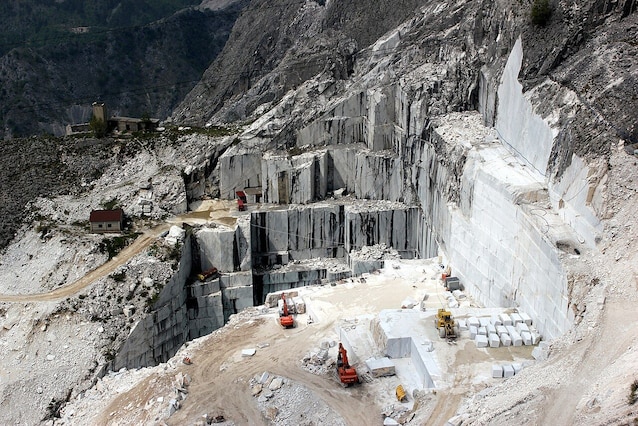
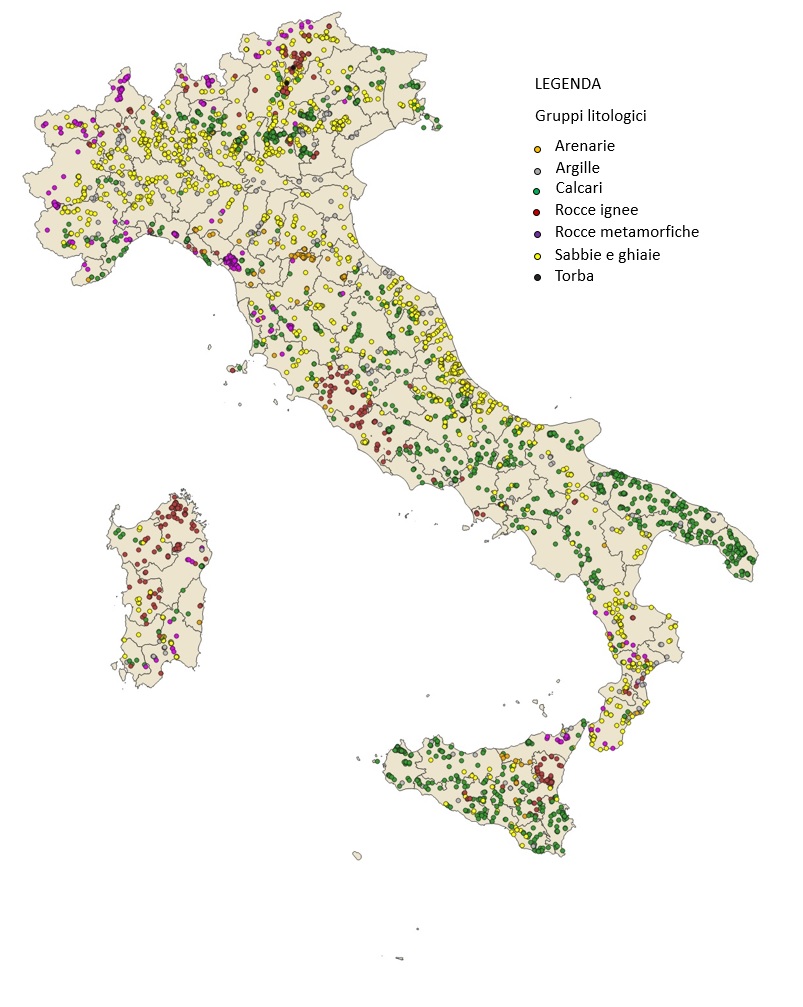
According to the most recent data, in Italy there are currently approximately 4,518 authorized quarriese, of which just over two thousand in production, and more 3,000 sites miningwith 76 mines still active. The separation between quarries and mines is well specified in Royal Decree n° 1443 of 1927. Having said that, it is true that extraction tends to take place in most quarries “in the open air“, with an excavation that proceeds from top to bottom (or from the ground level to the subsoil) leaving the extraction area directly exposed, while the mines are generally developed underground. The reasons are mainly economic and practical, but also geological and linked to the intended use of the resources.
The different types of cultivation
Open-pit cultivation is favored in quarries as the resource to be extracted is often found surfacing or to low depth and distributed in large volumes areas, making it more economically and technically convenient “dig out” the material rather than building aunderground infrastructure. Additionally, this technique allows you to move and handle large quantities of material more efficiently. In contrast, mines are often developed underground because high-grade minerals are frequently found to major depth. Their value economic higher justifies the investment necessary to create an underground extraction system, with galleries And wells.
Of course, many factors can influence the type of cultivation, including the topographythe stability geomechanics of the affected area, the nature And depth of the extracted material, the extension of the deposittheenvironmental impact hey operating costs. This is why they even exist quarries cultivated undergroundas well as open pit mining. A typical example of the latter scenario are the enormous terraced and funnel mines built for extract diamonds come on deposits kimberlites in the most productive mines in the world.
There are also differences in the legal and administrative aspect. The mines, in fact, belong to the state and, consequently, starting a mining operation requires a concession mining state. In contrast, quarries are generally considered one property of the fundthat is, they belong to the owner of the land on which they are located. In this case, the start of a cultivation will follow a different regulatory procedure which does not require a concession, but rather aregional authorization.
