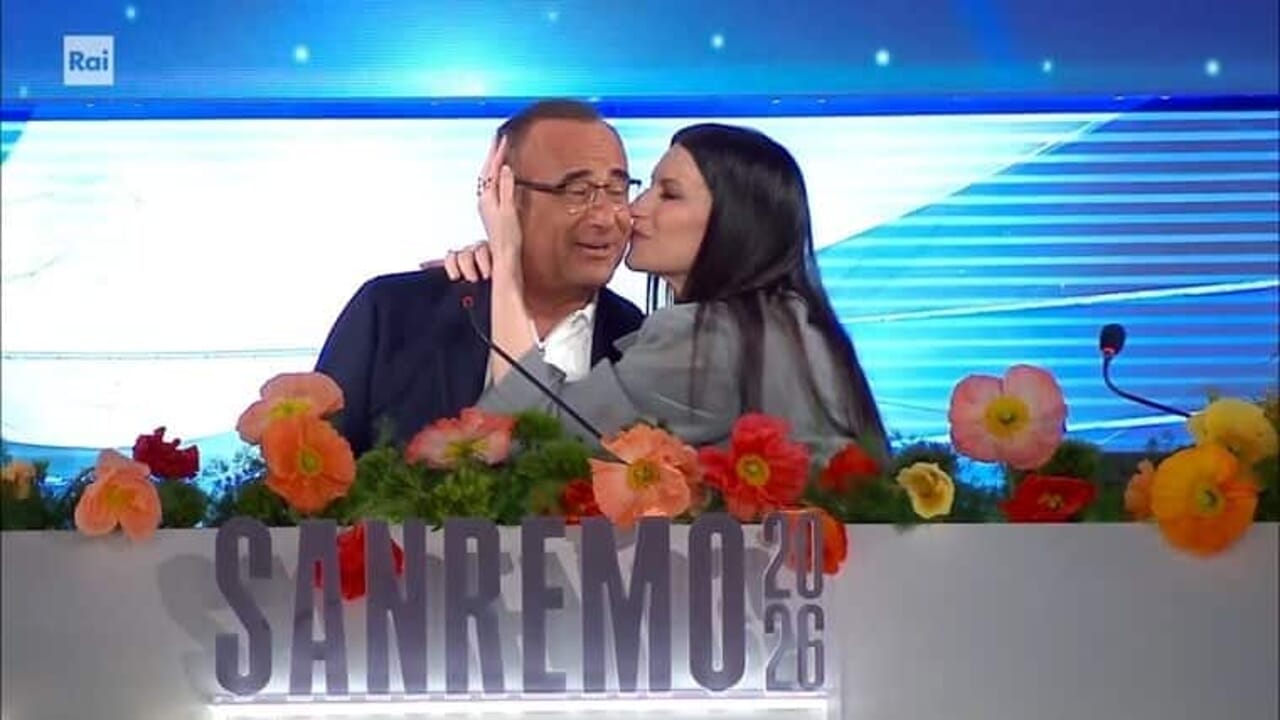
Sanremo, the circus has begun
“Come, gentlemen, come. Hurry. The caravan is leaving”, sang Talco in 2006, not on the Ariston stage. The circus as a metaphor for life and society, imagined the Venetian ska-punk group, but when it arrived in early February it became the perfect outfit for the most important musical, television and costume event in Italy. The Sanremo Festival.
This year the tent came to life with a slight delay, due to the Winter Olympics, but here it definitively comes to life in these last hours, when now all (or almost all) of the daytime Rai programs are on the city of flowers and the Ligurian Riviera is full of jugglers, acrobats, stilt walkers, knife throwers and obviously clowns. Sanremo is overcrowded during the Festival week, but not only by the protagonists with their entourages and the now more than a thousand journalists accredited in the two press rooms, as well as fans and onlookers. It is full of influencers looking for positioning, former showgirls on the verge of oblivion who recycle themselves as presenters in the multitude of side events – cheap versions of “La mia Liguria”, so to speak -, faded commentators hunting for TV lounges and ‘wannabes’ of all kinds, ready to tear each other to pieces just to show that they are there.
Because in Sanremo, if you are affected by that terrible form of presenteeism, you have to be there. And not in the front rows enjoying the show, but in the arena doing it. The protagonism of certain characters who gravitate around the Festival this week, and cannibalize it for a coveted personal gain, is frightening and at times grotesque. There is a fifty-year-old singer – whose song no one remembers – married to a famous English guitarist (marriage is part of the CV), who has been waiting all year for this week for her longed-for television pilgrimage. Just to give an example.
After nine editions spent in the Roof press room, this is the first year that I observe Sanremo from the outside. It is the first year that I have had the time to zap through the various TV programs that talk about the event, with guests who are most of the time unlikely and embarrassing, who not only lack the cultural background to comment, but the basic notions of this edition (there are those who have said that in the first evening we will only listen to 15 of the 30 songs competing). And this indifference says a lot about the state of health of the public service.
The TV parsleys, however, are not the only freak show. I must say that many fellow journalists are not joking either. On social media, for days now, there has been a succession of backstage videos useful to say “look where they are”, rather than “look what happens”. For many it is a long chronicle of themselves, not of the television show, nor of the music, and few people are left looking for the backstory. The others prefer to make them.
The show has just begun (while the Festival has yet to begin).
