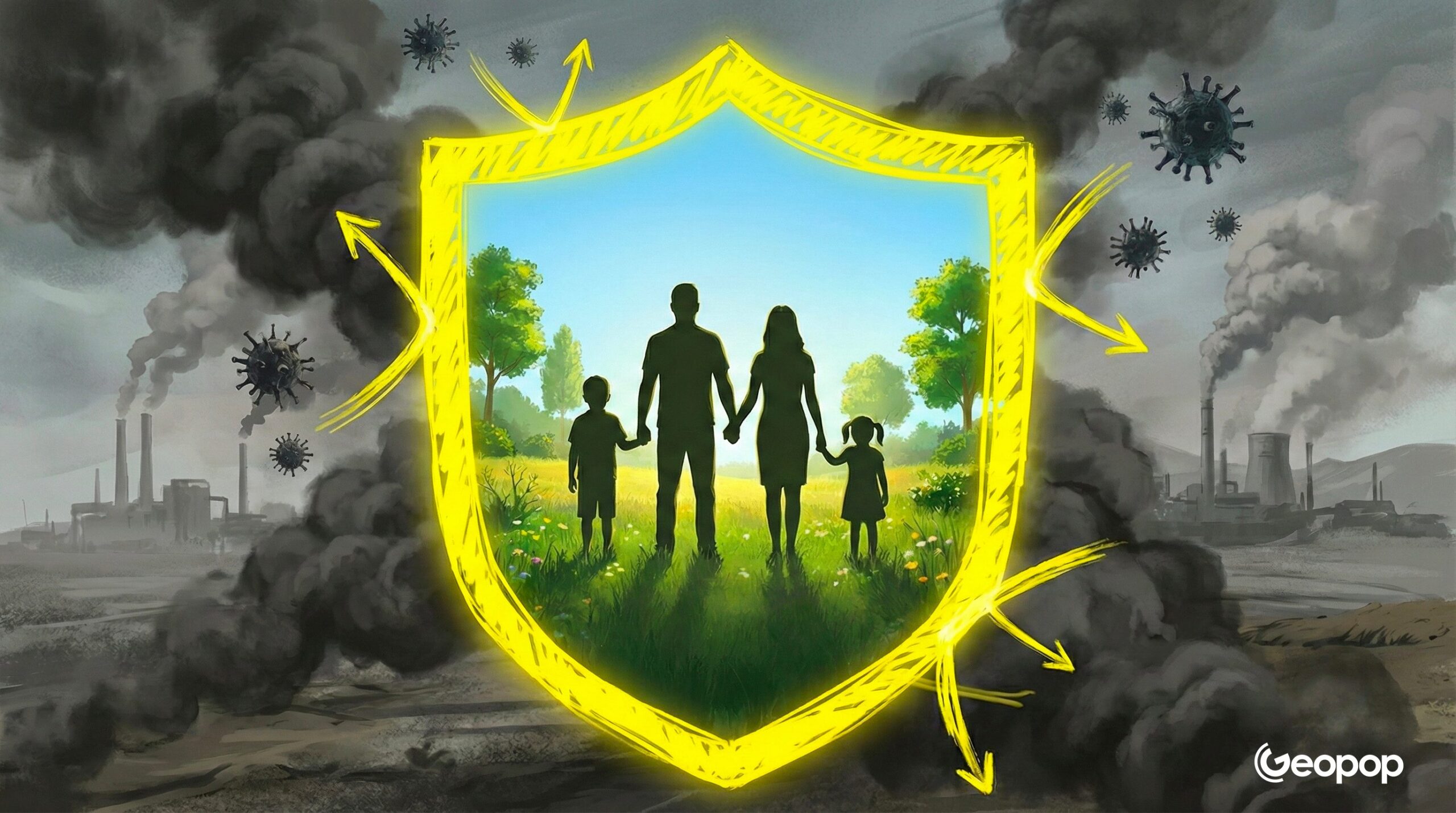
For over 35 years, theInternational Agency for Research on Cancer (IARC) of the WHO, in collaboration with the European Commission, publishes the European Code against Cancera text that collects evidence-based recommendations for cancer prevention. The fifth edition of the ECAC (ECAC5), available in the prestigious scientific journal The Lancet Regional Health – Europe and supported by a series of articles on Molecular Oncology developed by around 80 experts, presents 14 recommendations to prevent cancerupdating the guidelines based on the most recent scientific discoveries. Compared to the previous edition (ECAC4), indications on products have been introduced for the vaping and heated tobaccoair pollution and recommendations on body weight, breastfeeding and vaccinations have been improved.
The study underlying ECAC5 leverages correct information andhealth literacy. The messages have been improved to be more understandable by the general population. «Following the recommendations of the European Cancer Code substantially reduces an individual’s risk of cancer and could reduce the incidence of cancer in the European Union by almost half» we read in the IARC article.
The biggest innovation of ECAC5 is the introduction of recommendations to two levels: we no longer limit ourselves to indicating to individuals citizens what to do, but for the first time precise guidelines are also provided to political decision makers (policymakers) to create healthier environments. A necessary step, considering that cancer still represents the second cause of death in Europe. New risk factors have also been identified with references to e-cigarettes, ultra-processed foods and air pollution. As suggested by IARC, in this article we report the recommendations without alternating the text for effective dissemination and implementation.
1. Cigarette smoking
Don’t smoke. Do not use tobacco in any way or vaping products. If you smoke, you should quit.
Tobacco smoking has been recognized as a carcinogen for decades, but despite this, IARC data states that in 2023, 28% of men and 21% of women in the EU still smoked. Smoking is responsible for more than 256,000 cancer deaths every year in the EU, mainly among men. A significant innovation of ECAC5 compared to the previous edition is the attention to vaping products et al heated tobaccothe prevalence of which has increased significantly among young people in the EU. Although conclusive long-term evidence on their direct link to cancer is still lacking, it is established that these devices still emit carcinogenic substances. Additionally, young people who use them are three times more likely to switch to traditional cigarettes.
2. Passive smoking
Keep your home and car free from tobacco smoke.
Exposure to secondhand smoke in private settings such as cars and homes particularly affects children and women. Furthermore, the spread of vaping products that emit potentially dangerous compounds even in closed environments reduces indoor air quality.
3. Body weight
Take steps to avoid or manage overweight and obesity: limit foods high in calories, sugar, fat and salt; limit drinks with high sugar content, drink mainly water and unsweetened drinks; limit ultra-processed foods.
Overweight and obesity have reached very high levels in the EU, affecting 50.6% of people aged 16 and over. In Italy, the correlation between cancer and excess body weight varies from 3.6 to 4%. Compared to ECAC4, the new code specifies in three bullet points the foods and drinks to pay particular attention to. The concept of is also introduced ultra-processed foods – UPF – i.e. industrial formulations with ingredients not used in home cooking, designed for convenience, palatability and shelf life. Being typically high in energy and poor in nutrients, they are indirectly associated with the onset of cancer.
4. Physical activity
Be physically active in everyday life. Limit the time you spend sitting.
This recommendation remains unchanged from ECAC4 and is further supported by new evidence on various biological mechanisms associated with physical inactivity and cancer development.
5. Diet
Eat whole grains, vegetables, legumes and fruits as an important part of your daily diet. Limit red meat and avoid processed meat.
In Italy, the incidence of cancer attributable to unhealthy diets is between 4.5 and 6%. In this recommendation, ECAC5 focuses on evidence linking a reduced risk of colorectal cancer with high consumption of whole grains and fiber and reduced consumption of processed and red meat.
6. Alcoholic drinks
Avoid alcoholic drinks.
Point 6 of the Code has undergone a substantial change, moving from the suggestion to “limit” alcohol intake to the clearer command of “avoid” alcoholic drinks. This tightening is due to new evidence showing that even light (less than one drink a day) or moderate (up to two) consumption is dangerous. The recommendation emphasizes that reducing or eliminating alcohol decreases the risk of oral and esophageal cancer. Furthermore, science has debunked the old belief about the protective effects on the heart, now considered overestimated. Not drinking is the only truly safe choice for your health.
7. Breastfeeding
Breastfeed your baby for as long as possible.
Most European countries fail to meet WHO standards (exclusive breastfeeding for 6 months, continued up to 2 years). In the United Kingdom, 4.7% of breast cancers are attributed to failure to breastfeed, while in France 3% are linked to a duration of less than six months. In light of this data, the ECAC5 recommendation has been updated to highlight that the protective effect against cancer increases with the duration of breastfeeding.
8. Sun exposure
Avoid excessive sun exposure, especially for children. Use sunscreen. Never use tanning beds.
Compared to the previous edition, ECAC5 adopts much clearer language against artificial tanning for aesthetic purposes. The new recommendation clarifies that there is no safety threshold for this reason, tanning beds and devices should not never be used.
9. Work environment
Find out about carcinogenic factors at work and ask your employer to protect you from them. Always follow health and safety instructions in the workplace.
Around 47% of the workforce in the EU is exposed to at least one carcinogen, with the greatest risks coming from solar UV rays, diesel exhaust, benzene, respirable crystalline silica and formaldehyde. The ECAC5 recommendation shifts the focus from simple individual self-protection to accountability of employers.
10. Exposure to radon gas
Find out about radon gas levels in your area by consulting a local radon map. Seek professional help to measure the levels in your home and, if necessary, reduce them.
In 2019, around 19,000 lung cancer deaths in Europe were attributed to exposure to household radon gas, a naturally occurring radioactive gas that forms from the decay of uranium. To counter this risk, the ECAC5 recommendation now outlines a precise sequence of practical actions that allow citizens not only to understand the problem, but to measure radon levels in their homes and make informed decisions to reduce exposure.
11. Air pollution
Take measures to reduce exposure to air pollution: use public transport and walk or cycle instead of using the car; choose low-traffic routes when walking, cycling or exercising; keep your home free from smoke by avoiding burning materials such as coal or wood; support policies that improve air quality.
This point of the ECAC is an absolute novelty compared to previous editions. Only in the European Union are they attributed to airborne particulates 23,000 deaths from cancer per year.
12. Vaccinations
Vaccinate girls and boys against hepatitis B virus and human papillomavirus (HPV) at the recommended age in your country. Get tested and treated for hepatitis B and C viruses, human immunodeficiency virus (HIV), and Helicobacter pylori, as recommended in your country.
Infections with these viruses cause approximately 5% of cancers in the EU. ECAC5 recommends timely testing and treatment to cure or control infections.
13. Infections related to the onset of cancer
If you decide to use hormone replacement therapy (for menopausal symptoms) after careful discussion with your doctor, limit its use to the shortest duration possible.
New evidence confirms the association between hormone replacement therapy (HRT) and an increased risk of breast cancer, the extent of which varies depending on the formulation, duration of use and body weight. ECAC5 recommends its use only after an informed decision and under strict medical supervision, limiting its intake to shortest duration possible.
14. Screening
Attend organized cancer screening programs, as recommended in your country, for: bowel cancer, breast cancer, cervical cancer and lung cancer.
ECAC5 introduces something new compared to the previous edition: organized screening for lung cancerwhich remains the leading cause of cancer death in Europe.
