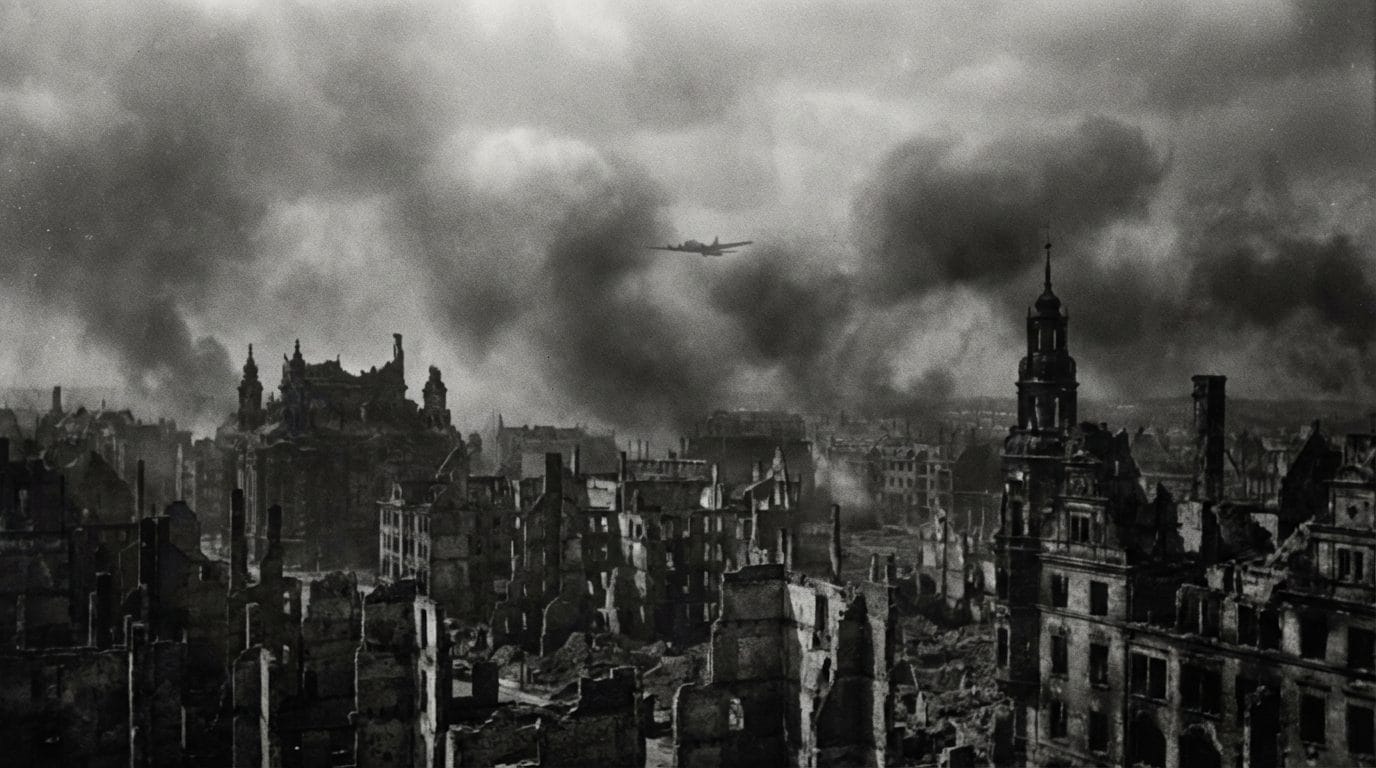
The aerial bombing on Dresden was carried out on the German city of the same name between on 13 and 15 February 1945 by the air forces of UK and USA. The attack had various purposes, the main of which was weaken the enemy’s morale and induce him to surrender. The effects of the bombing were frightening: the center of Dresden (which after the end of the conflict would become a city in eastern Germany) was razed to the ground almost completely; between 25 and 40 thousand people were killed. The attack, while not the most destructive of World War II, raised eyebrows moral scruples in vast sectors of public opinion even in the winning countries. For the military leaders of the Allies, however, the attack was a legitimate war action.
Why Dresden was bombed: the aerial weapon in World War II
To understand the reasons for the bombing of Dresden, it must be remembered that the use of large-scale aerial weapons constituted the most important innovation of the Second World War compared to previous conflicts. Aviation, which had existed for several decades, had reached such a level of development that it could bring the war even far from the front line and cause damage and casualties throughout the enemy’s territory.
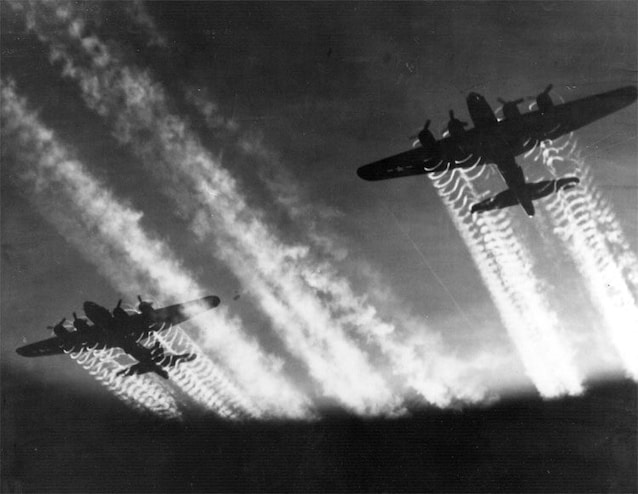
All the belligerent countries made use of air weapons, carrying out both tactical bombingthat is, to support military actions, both strategicthat is, not directly linked to ongoing operations but aimed at destroying the enemy’s war potential. Strategic bombings include, for example, the attacks on industries and those aimed at weaken the enemy’s morale (The moral bombing).
The intensity of the bombing carried out by each country depended solely by the capabilities of their air force: No one limited airstrikes for moral reasons.
Among the places hit most violently during the war were the English locations attacked by the Germans – such as Coventry, partially destroyed by a bombing in 1940 – and numerous German, Italian and Japanese cities, hit by the Allies. The bombings of Hamburg 1943 and of Tokyo in 1945 were among the best known and most destructive, without, of course, the atomic attacks on Hiroshima and Nagasaki.
The planning and attack on Dresden: who decided it
The decision to attack Dresden was made by Allied Command in February 1945when victory was already looming. Germany was in fact held in a vice: it was attacked from the west from the USA and UKlanded in Normandy the previous June, and from east by the Sovietswho had repelled the German attack that began in 1941 and undertook a powerful counter-offensive.
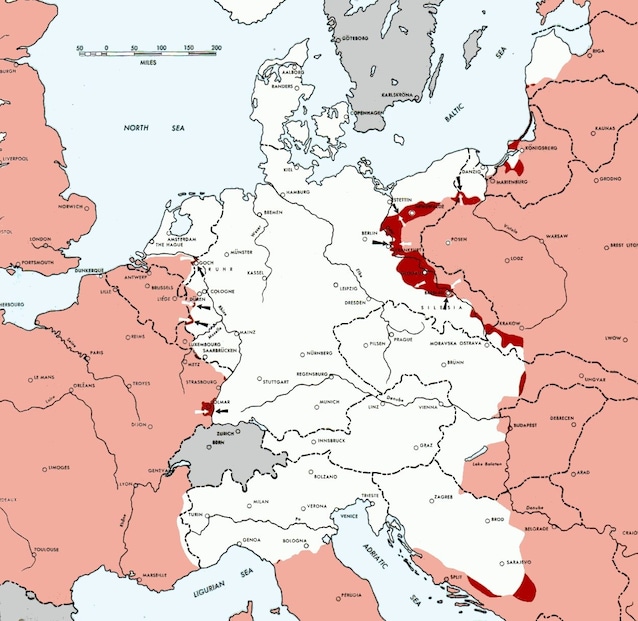
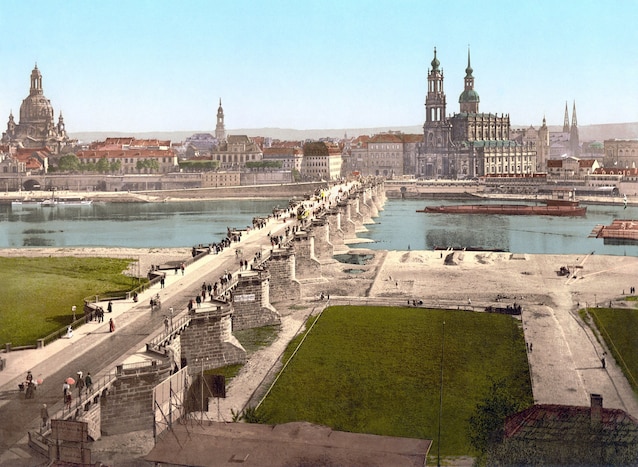
Until 1945 Dresden – a city of art with an important historic center of medieval origin – had not been out of bomber range for long. The decision to bomb it was taken out of fear that, faced with the Soviet advance, the command German would move troops to the Western Frontmaking operations on that front more difficult. Furthermore, the Anglo-American command was intent on create confusion for the enemy and, above all, to weaken their morale. Even the USSR, at Yalta conference of February 4, pressured them to strike the enemy’s lines of communication.
The bombing and the firestorm
The bombing took place over three days, from 13 to 15 February 1945and was led both by Royal Air Force British both fromUS Air Force. The operations began on the night between 13 and 14 February, when approximately 800 British bombers dropped 1500 tons of explosive bombs and 1200 tons of incendiary bombs. The attack caused a huge firefrom which, due to the movement of air caused by the explosions, a “firestorm”: Fiery winds blew over the city, lifting people and things.
The city was attacked again the next day by bombers American B-17swho dropped another 1250 tons of bombs, and again on the morning of February 15th by the Americans. The attacks developed in subsequent wavesorganized in such a way as to hinder the work of firefighters and rescue teams. The flames went out only after a week.
The consequences and the number of victims
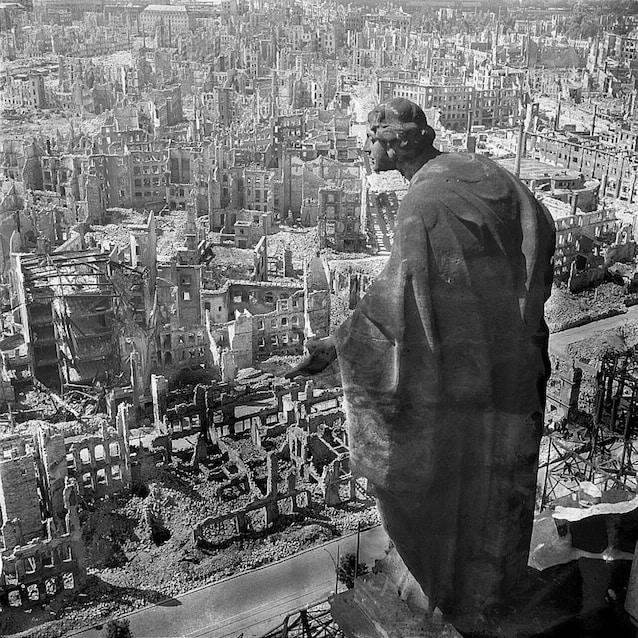
The effects of the raids were frightening. The city had approximately 222,000 apartments, of which 75,000 were destroyed11,000 were severely damaged, 7,000 were damaged and 81,000 were more lightly affected. Numerous factories, churches and other buildings were also destroyed. The city center was practically razed to the ground. However, it is not known exact number of victims: for years it was speculated that there could be hundreds of thousands, but the most reliable estimates say that they were between 25,000 and 40,000.
Was the bombing of Dresden a war crime or a legitimate military operation?
The bombing of Dresden is the major air raid of World War II moral discussions and scruples. The attack was not the most destructive bombing. More raids, like that one on Tokyo in March 1945caused many more victims; the quantity of bombs dropped on other German cities, primarily Berlin, was much higher. Almost no one, however, questioned the legitimacy of the attacks.
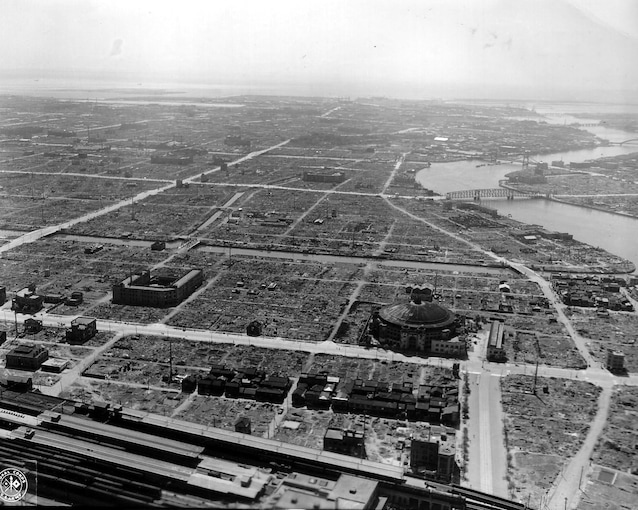
Instead, for some sectors of public opinion the bombing of Dresden was a war crimebecause there were no “direct” military objectives present in the city, such as war industries, and because it was carried out for “terrorist” purposes, that is, to terrorize the population and thus induce them to surrender. Furthermore, the attack was carried out when the Germany was in fact already defeated and his surrender was only a matter of time. Dresden, finally, had one extraordinary importance on a cultural level. Among those who say the attack was a crime include the German writer Gunther Grass and British historians such as Antony Beevor and Basil Liddell Hart.
Those who, on the contrary, believe that the bombing was a legitimate act of war points out, first of all, that at the time there were no international treaties limiting air raids (only conventions on the protection of civilians in times of war were in force). Furthermore, those who consider the attack legitimate highlight how Dresden was not a defenseless citybecause inside there were barracks and military installations, and, as the Germans had in turn carried out “terrorist” bombings of the United Kingdomwhich had not reached the intensity of the Allied ones only because the German air force did not have the capabilities. Moreover, since 1944 Germany had been hitting the United Kingdom with the V2 rocketswhich had no military function, but only “terrorist”. Finally – and this is the most important motivation of those who believe the attack on Dresden was right – the bombings made it possible to accelerate Germany’s defeat and, therefore, to shorten the war, reducing the number of total victims and limiting the crimes of Nazism (think of the Holocaust, which would have continued if Germany had not been defeated). This thesis is supported by allied military leaders, including the head of the British bomber command, Arthur Harris.
What is certain is that the population of Dresden was a victim of the events, but the main responsibility of the destruction of the city, like many other European centers, falls back on Nazismwho had wanted war thinking he could impose his hegemony on Europe: without the delusions of power of Hitler and his supporters, Dresden would not have been destroyed.
